Beauty Secrets of India Part 11: Neem and Tulsi, the Backyard Healers
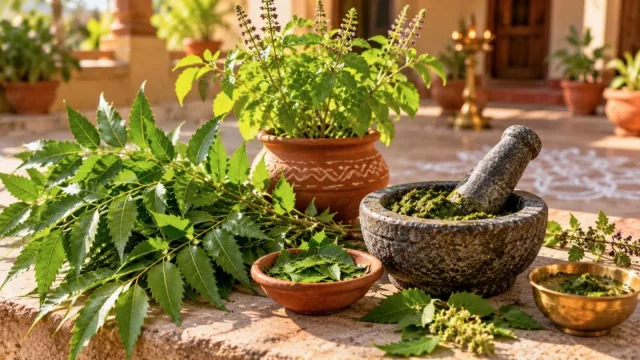
Neem and tulsi grow in courtyards across India and turn up in soaps, face washes and bath water. How families use them, and how to try them safely.
Neem and tulsi grow in courtyards across India and turn up in soaps, face washes and bath water. How families use them, and how to try them safely.
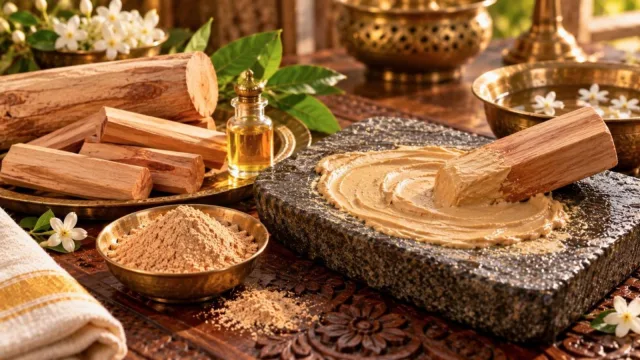
Mysore sandalwood gave India its most famous soap and a sacred paste. The story of chandan, why it is so precious, and how to use it on skin.
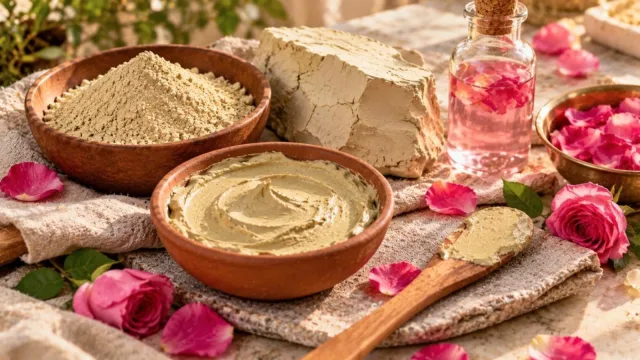
Fuller's earth, or multani mitti, has been India's favourite clay mask for centuries. Where it comes from, who it suits and how to use it right.
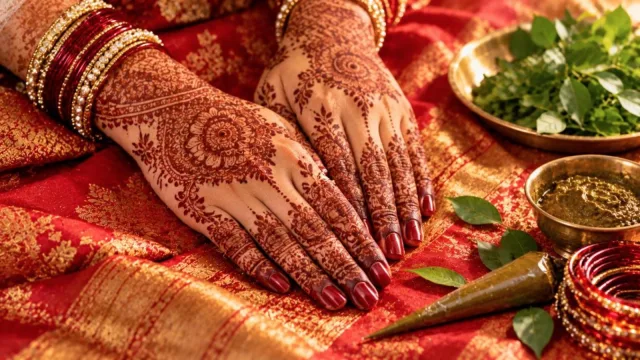
From wedding nights to Karva Chauth and Eid, mehndi is India's favourite body art. Its traditions, how to get a deep stain, and why to avoid black henna.
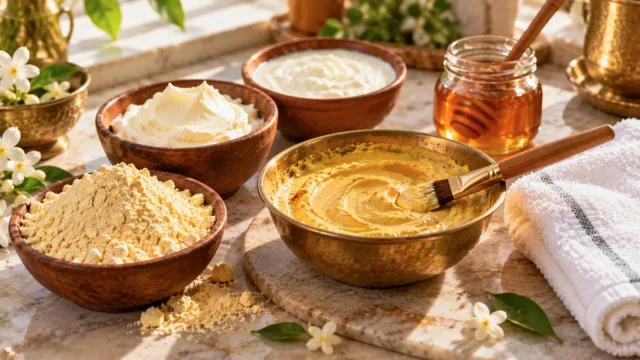
Gram flour and fresh cream have been north India's go-to face packs for generations. How to match the classic besan mixes to your skin type.
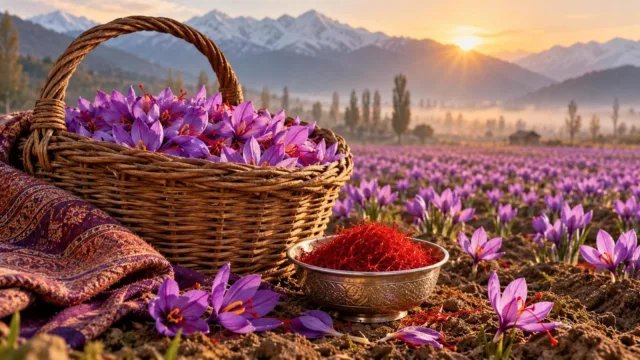
Kashmir's saffron fields bloom purple every autumn. How kesar became a beauty ingredient, how to spot fake saffron, and a simple kesar face pack.
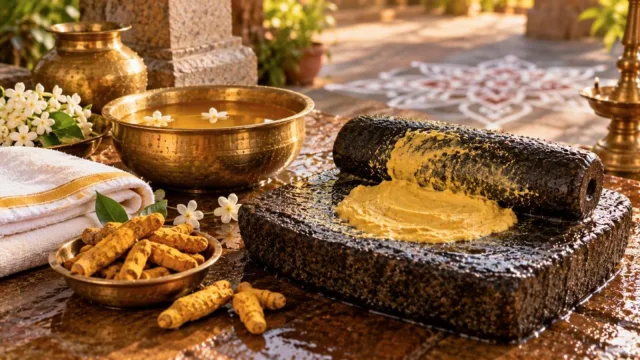
For generations, Tamil women have bathed with kasthuri manjal, a wild turmeric that barely stains. What it is and how to use it in your routine.
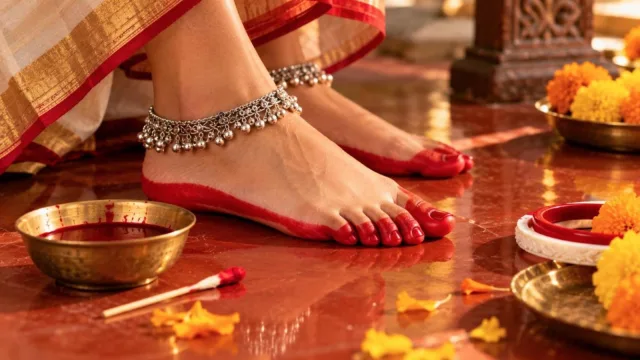
Bright red alta on the feet marks brides, Durga Puja and dance across Bengal and Odisha. What alta is, its meaning, and how to apply it neatly.
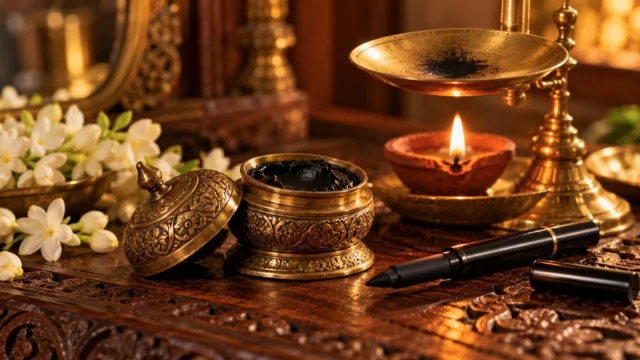
From temple sculptures to everyday make-up bags, kajal is India's most loved eye cosmetic. Its history, how it was made, and how to wear it safely today.