Vitamin A is a vitamin of two personalities. In poorer parts of the world, a lack of it is a leading cause of preventable childhood blindness and makes common infections far more dangerous. In wealthier countries, deficiency is rare, and the bigger risk is getting too much from supplements and liver. In Part 10 of Vitamins and Minerals Explained, we look at what vitamin A does, where to get it, and why the form matters.
Two forms: preformed vitamin A and carotenoids
Vitamin A reaches us in two very different forms:
- Preformed vitamin A (retinol and retinyl esters) is found in animal foods: liver, fish, dairy and eggs. The body can use it directly. Supplements usually contain it as retinyl acetate or retinyl palmitate.
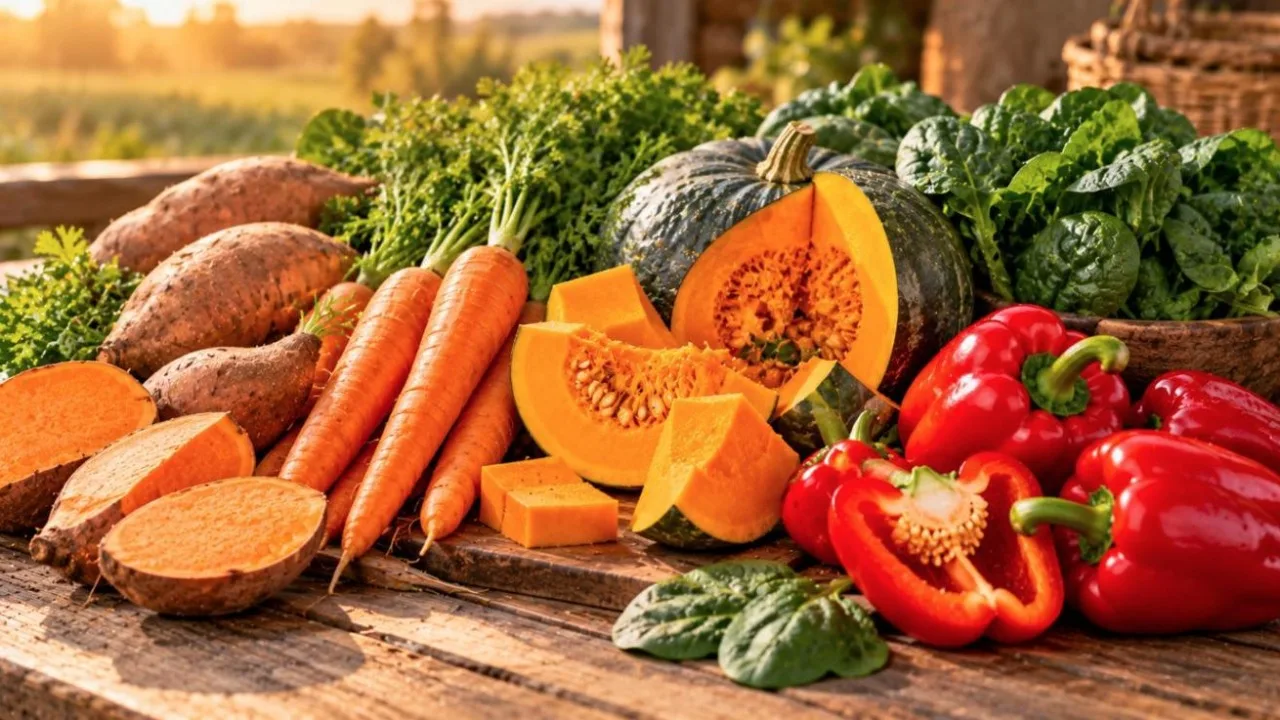
- Provitamin A carotenoids are found in plant foods. The most important is beta-carotene, the orange pigment in carrots and sweet potatoes; alpha-carotene and beta-cryptoxanthin also count. The body converts these into vitamin A as needed.
This difference is not a technicality. The body regulates how much beta-carotene it converts, so plant sources do not cause vitamin A poisoning. Preformed vitamin A has no such brake, which is why the safety limits apply only to it.
Because the forms differ in strength, amounts are given in micrograms of retinol activity equivalents (mcg RAE). Older labels may still use International Units (IU).
What does vitamin A do?
- Vision: vitamin A forms part of rhodopsin, the light-sensitive pigment in the retina that lets you see in dim light. It also keeps the surface of the eye (cornea) healthy.
- Immune function: it helps maintain the linings of the eyes, gut, lungs and urinary tract, which are the body's first barriers against infection, and supports white blood cells.
- Growth and reproduction: it controls how cells grow and specialise, so it is essential for a developing baby's heart, lungs, eyes and bones.
- Heart, lung and kidney function also depend on it.
How much vitamin A do you need?
| Life stage | Recommended amount (mcg RAE/day) |
|---|---|
| Birth to 6 months | 400 |
| Infants 7–12 months | 500 |
| Children 1–3 years | 300 |
| Children 4–8 years | 400 |
| Children 9–13 years | 600 |
| Teen boys 14–18 | 900 |
| Teen girls 14–18 | 700 |
| Adult men | 900 |
| Adult women | 700 |
| Pregnancy (adults) | 770 |
| Breastfeeding (adults) | 1,300 |
Breastfeeding raises needs substantially because vitamin A passes into breast milk and is vital for the baby.
Best food sources of vitamin A
The table below uses figures from the NIH health professional fact sheet. The US Daily Value is 900 mcg RAE.
| Food | Serving | mcg RAE | % DV |
|---|---|---|---|
| Beef liver, pan fried | 3 oz | 6,582 | 731% |
| Sweet potato, baked in skin | 1 whole | 1,403 | 156% |
| Spinach, frozen, boiled | ½ cup | 573 | 64% |
| Pumpkin pie | 1 piece | 488 | 54% |
| Carrots, raw | ½ cup | 459 | 51% |
| Herring, pickled | 3 oz | 219 | 24% |
| Milk, skim, fortified | 1 cup | 149 | 17% |
| Cantaloupe, raw | ½ cup | 135 | 15% |
| Ricotta cheese, part skim | ½ cup | 133 | 15% |
| Red sweet pepper, raw | ½ cup | 117 | 13% |
| Mango, raw | 1 whole | 112 | 12% |
Two things stand out. First, a single serving of liver contains more than seven times the daily value, all of it preformed vitamin A. Eating liver now and then is fine, but eating it daily, or taking liver-based supplements such as high-dose cod liver oil alongside a multivitamin, can push intake past the safe limit. Second, orange and dark-green vegetables provide plenty of vitamin A without any toxicity risk.
Carotenoids are fat-soluble, so you absorb more of them when vegetables are cooked and eaten with a little fat, for example carrots roasted with olive oil.
Vitamin A deficiency
Deficiency is rare in the US and Europe but common in parts of Africa and South Asia, where diets are low in animal foods and colourful vegetables. The World Health Organization considers it a major public health problem in many low-income countries.
The earliest and most typical sign is night blindness: difficulty seeing in low light. If deficiency continues it leads to xerophthalmia, a drying of the eye that can damage the cornea and cause permanent blindness. Long-term deficiency also raises the risk of respiratory infections such as pneumonia, and of serious diarrhoea and measles, and it can cause anaemia. Severe deficiency can be fatal.
Groups at higher risk include:
- Premature babies
- Infants, young children and pregnant or breastfeeding women in developing countries
- People with cystic fibrosis
- People with conditions that affect fat absorption, such as Crohn's disease, ulcerative colitis and coeliac disease
Vitamin A toxicity
Because vitamin A is stored in the liver, it can build up. The upper limits below apply to preformed vitamin A only, from food and supplements combined:
| Age | Upper limit (mcg preformed vitamin A/day) |
|---|---|
| Birth to 3 years | 600 |
| Children 4–8 | 900 |
| Children 9–13 | 1,700 |
| Teens 14–18 | 2,800 |
| Adults 19+ | 3,000 |
Too much preformed vitamin A can cause severe headache, blurred vision, nausea, dizziness, muscle aches and problems with coordination. Very high intakes can lead to liver damage, coma and death. Long-term intake above the limit has also been linked to weaker bones in some studies.
Beta-carotene has no upper limit. The only side effect of eating large amounts of carrots or taking beta-carotene is carotenaemia, a harmless yellow-orange tint to the skin that fades when intake falls.
Vitamin A and pregnancy
Pregnancy is where the double-edged nature of vitamin A matters most. A baby needs vitamin A to develop normally, but too much preformed vitamin A can cause birth defects affecting the eyes, skull, lungs and heart. For that reason, pregnant women or women who might become pregnant should avoid high-dose preformed vitamin A supplements, and many health services also advise against eating liver or liver products during pregnancy. Prenatal vitamins usually supply vitamin A partly or wholly as beta-carotene for this reason.
The same caution applies to prescription retinoids such as isotretinoin (for acne), which are closely related to vitamin A and are known to cause severe birth defects.
Beta-carotene supplements and smokers
In the 1980s and 1990s researchers hoped that beta-carotene supplements would prevent cancer, because people who ate many fruits and vegetables had lower cancer rates. Large trials found the opposite in one group: high-dose beta-carotene supplements increased the risk of lung cancer and death in smokers, former smokers and people exposed to asbestos. Supplements have not been shown to prevent cancer in anyone else either. Eating carotenoid-rich foods, by contrast, is linked with lower risk of some cancers.
The lesson goes beyond vitamin A: a nutrient that is beneficial in food can behave differently when isolated and taken in large doses.
Vitamin A and eye disease
For people at high risk of advanced age-related macular degeneration (AMD), a supplement formula from the AREDS study containing vitamins C and E, zinc, copper and beta-carotene slowed vision loss. A later version, AREDS2, replaced beta-carotene with lutein and zeaxanthin; it worked at least as well and removed the lung cancer concern for smokers. These formulas are for people already diagnosed with intermediate AMD, not for prevention in healthy eyes.
Medicine interactions
- Orlistat (Alli, Xenical), a weight-loss drug, reduces the absorption of vitamin A and other fat-soluble vitamins.
- Acitretin (for psoriasis) and bexarotene (for a type of skin lymphoma) are made from vitamin A. Combining them with vitamin A supplements can cause dangerously high levels.
Practical tips
- Get most of your vitamin A from colourful vegetables and fruit, plus dairy and eggs.
- Treat liver as an occasional food, and avoid it if you are pregnant.
- Check the label of every supplement you take. Multivitamins, cod liver oil and "eye health" or "skin" products can all contain preformed vitamin A, and the amounts add up.
- If you smoke or used to smoke, avoid high-dose beta-carotene supplements.
Frequently asked questions
Do carrots really help you see in the dark?
Only if you are deficient. Carrots provide beta-carotene, which corrects night blindness caused by low vitamin A. They will not give normal eyes better-than-normal night vision.
Is retinol in skincare the same as vitamin A in food?
Retinol creams contain a form of vitamin A applied to the skin. Very little reaches the bloodstream, so they do not count towards your dietary intake, although prescription retinoids should still be avoided in pregnancy.
Can vegetarians get enough vitamin A?
Yes. Orange, yellow and dark-green vegetables and fruit provide beta-carotene, and dairy and eggs supply preformed vitamin A. Vegans can meet their needs from plant carotenoids alone.
Is cod liver oil safe?
In normal amounts, yes, but it is rich in preformed vitamin A. If you take it with a multivitamin, add up the totals to make sure you stay below 3,000 mcg a day, and avoid it in pregnancy unless your doctor approves.
Sources
- NIH Office of Dietary Supplements – Vitamin A (consumer fact sheet)
- NIH Office of Dietary Supplements – Vitamin A (health professional fact sheet)
Vitamins and Minerals Explained: the full series
- Part 1: Vitamin D
- Part 2: Vitamin B12
- Part 3: Iron
- Part 4: Magnesium
- Part 5: Vitamin C
- Part 6: Calcium
- Part 7: Zinc
- Part 8: Omega-3 Fatty Acids
- Part 9: Folate and Folic Acid
- Part 10: Vitamin A (you are here)
- Part 11: Vitamin E
- Part 12: Vitamin K
- Part 13: Potassium
- Part 14: Iodine
- Part 15: Biotin
- Part 16: Do You Need Supplements?
This article is for general information only and is not medical advice. Recommended amounts shown are US figures from the NIH Office of Dietary Supplements; guidance in other countries may differ slightly. Talk to a doctor or pharmacist before starting supplements, especially if you are pregnant, take medicines or have a health condition.