November 1922: Howard Carter, funded by Lord Carnarvon, opened Tutankhamun’s nearly intact tomb (KV62) in the Valley of the Kings. The finds redefined Egyptology’s public image. The “curse” sold newspapers; statistics and medicine tell a quieter story.
Carter and Carnarvon
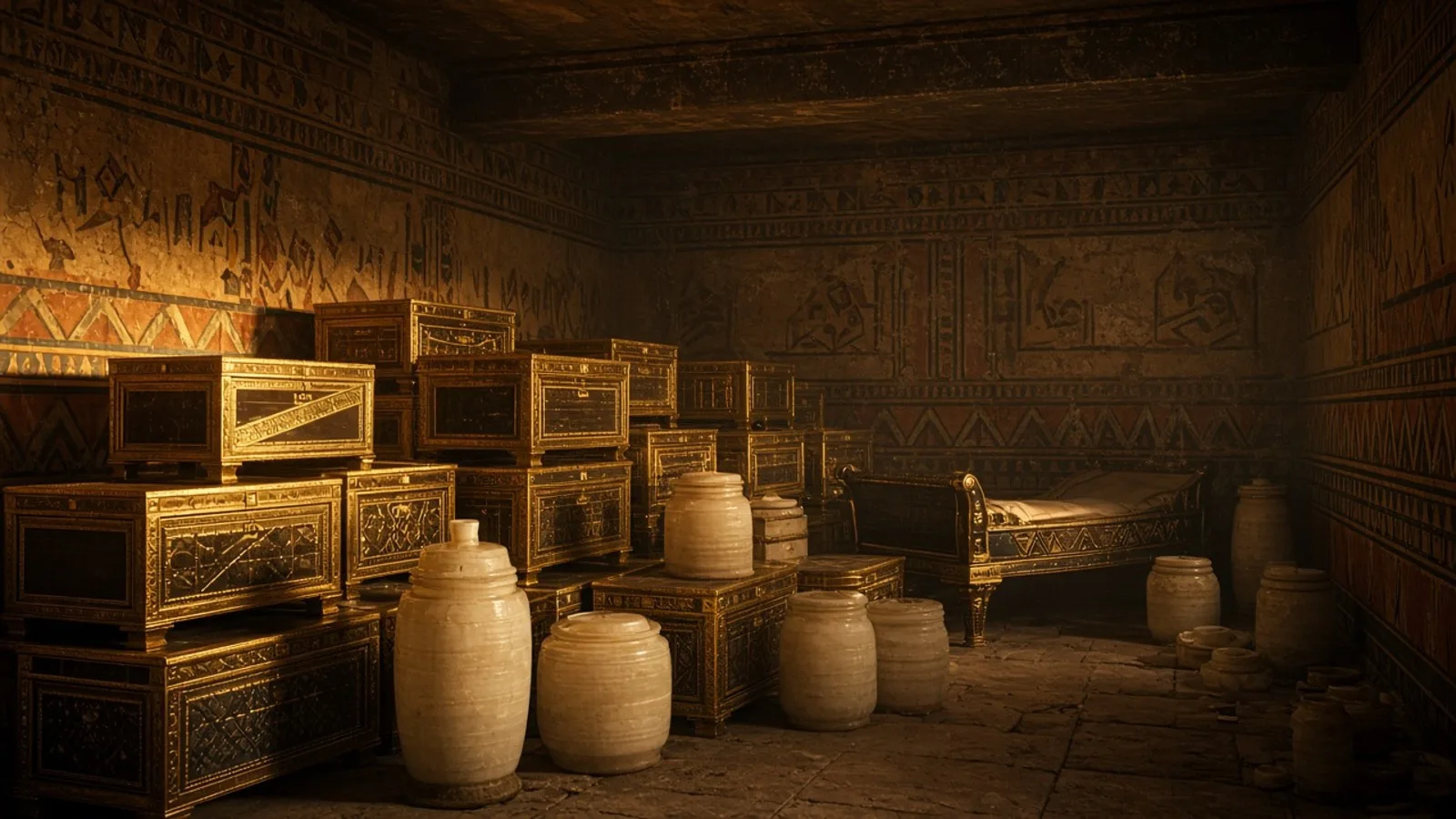
Years of digging preceded stone steps found around 4 November 1922. On 26 November Carter peered in and spoke of “wonderful things.” Thousands of objects followed: shrines, chariots, jewellery, nested coffins, the gold mask.
Who Was Tutankhamun?
A short-reigned Eighteenth Dynasty king after the Amarna upheaval. Cause of death is unresolved; malaria and skeletal issues appear in research hypotheses—not final verdicts.
Ancient contexts: Machu Picchu.
Curse Myth vs Facts
Carnarvon died in 1923 after an infected mosquito bite/pneumonia narrative popularised by the press. Many expedition members lived long lives; Carter died in 1939. The curse is media folklore, not epidemiology.
CT and Conservation (Hedged)
CT and DNA studies propose family ties and disease burdens; results are revised as methods improve. Tourism humidity and vibration stress the tomb—conservation projects periodically limit access.
Also: Everest, Titanic, Silk Road.
Final Thoughts
Tutankhamun’s fame is accidental survival. The curse is optional; the craftsmanship is not.