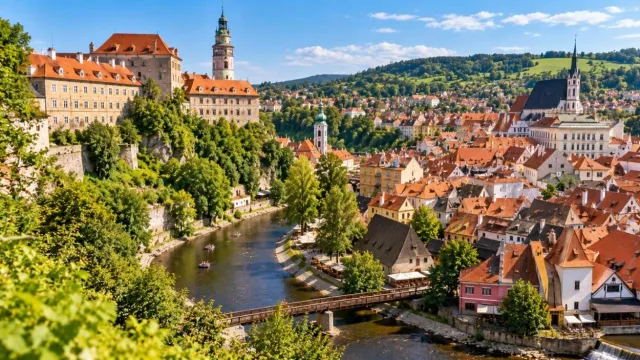
Europe's cities are open-air museums. Historic squares, cathedrals, riverside walks, markets and viewpoints are free to enjoy, and many paid attractions have free or discounted times if you know where to look. In Part 7 of Europe on a Budget, we show you how to fill your days without spending much.
1. Join a free walking tour
Most big European cities have "free" walking tours run by local guides. They usually last two to three hours and cover the main sights, history and local tips. At the end, you tip what you think the tour was worth.
Take one on your first day. You will get your bearings, learn which places are worth paying for and pick up advice on where locals eat. Many companies also run themed tours on topics like street art, food or local history.
2. Use free and discounted museum times
Many museums offer free entry at certain times. Some examples that have been in place in recent years:
- Italy: state museums and archaeological sites are usually free on the first Sunday of the month. Expect crowds.
- Madrid: the Prado and several other major museums offer free entry during set hours, often in the last couple of hours before closing.
- France and other EU countries: many national museums are free or discounted for young EU residents, and some are free on selected days.
- Many cities: municipal museums, especially in the UK, are often free all the time.
Policies change, so check each museum's official website before you go.
3. Visit churches, cathedrals and public buildings
Many churches and cathedrals are free to enter, though some charge for towers, crypts or treasuries. Dress modestly, with shoulders and knees covered. Town halls, libraries and parliament buildings in some countries also offer free tours or public access.
4. Find the best viewpoints
You do not always have to pay for an observation deck. Hills, bridges, castle walls and public terraces often give equally beautiful views. Sunset at a city viewpoint is one of the best free experiences in Europe.
5. Enjoy parks, rivers and beaches
Europe's parks and riversides are where locals relax. Pack a picnic, rent a bike or simply walk. In coastal cities, public beaches are free, though loungers and umbrellas cost extra.
6. Wander markets and neighbourhoods
Markets, flea markets and historic neighbourhoods cost nothing to explore. Step away from the main sights to see residential areas, street art, small shops and local life.
7. Look for free events
Check city tourism websites and local listings for free concerts, festivals, open-air cinema, changing-of-the-guard ceremonies and cultural nights. Summer especially is full of outdoor events.
8. Are city passes worth it?
Many cities sell tourist passes that include entry to attractions, public transport and discounts. They can be good value, but only if you use them heavily.
- List the attractions you definitely want to see.
- Add up their normal entry prices and the transport you will use.
- Compare with the pass price for the same number of days.
- Check whether the pass includes skip-the-line entry or just a discount.
If you plan a slower trip with lots of walking and free sights, a pass rarely pays off.
9. Get student, youth and senior discounts
Carry valid student ID or proof of age. Youth (often under 26) and senior discounts are common at museums, on transport and for some attractions.
10. Choose paid experiences carefully
Budget travel is not about skipping everything that costs money. It is about spending on what matters most to you. Pick one or two "must-do" paid experiences per city, such as a famous museum, a castle or a boat ride, and fill the rest of your time with free activities.
Quick checklist
- Take a tip-based walking tour on day one.
- Check free museum days before planning your days.
- Use free viewpoints and parks.
- Do the maths before buying a city pass.
- Prioritise a few paid highlights.
In Part 8, we reveal some of the best-value cities in Europe, where your money goes much further.
Europe on a Budget: the full series
- Part 1: Plan Your Trip and Set a Budget
- Part 2: Visas, Insurance and Paperwork
- Part 3: Finding Cheap Flights
- Part 4: Trains, Buses and Rail Passes
- Part 5: Budget Accommodation
- Part 6: Eat Well for Less
- Part 7: Free and Cheap Sightseeing (you are here)
- Part 8: The Best-Value Cities
- Part 9: Money, Cards and Fees
- Part 10: A Two-Week Budget Itinerary
Prices, fares, fees and entry rules change often. Treat the ranges here as rough guides and check official websites before you book or travel.