The cheapest trip is the one that does not go wrong at the border. Visa refusals, missed rules and medical emergencies without insurance can wipe out any savings you made on flights and hotels. In Part 2 of Europe on a Budget, we explain the paperwork in plain language.
Rules depend on your nationality and change from time to time. Always check the official website of the country you are visiting, or its embassy, before you travel.
The Schengen area in one paragraph
Most of continental Europe belongs to the Schengen area, a group of 29 countries that have removed routine passport checks at their shared borders. It includes France, Germany, Italy, Spain, Portugal, the Netherlands, Greece, Austria, Czechia, Poland, Hungary, Croatia, Bulgaria, Romania, Switzerland, Norway and others. Once you enter one Schengen country, you can usually move to another without passport control.
Some European countries are not in Schengen and have their own rules, including the United Kingdom, Ireland, Cyprus, Serbia, Albania, Bosnia and Herzegovina, North Macedonia, Montenegro and Turkey.
The 90/180-day rule
Short-stay visitors can usually spend up to 90 days in any 180-day period across the whole Schengen area combined. It is a rolling window: on any given day, look back 180 days and count how many days you were in Schengen. If it would exceed 90, you cannot stay.
The EU offers an official online short-stay calculator. Overstaying can lead to fines, entry bans and problems with future visas.
Do you need a visa?
- Visa-exempt travellers (for example, citizens of the US, Canada, UK, Australia, Japan and many others) can visit for short stays without a visa, though new authorisation systems are being introduced (see below).
- Visa-required travellers must apply for a short-stay Schengen visa before travelling. You normally apply to the country where you will spend the most nights, or where you will enter first if stays are equal.
Schengen visa tips
- Apply early. Appointment slots can be scarce in peak months.
- The standard adult fee is €90, with lower fees for children and some exemptions.
- Usual documents include a valid passport, photos, flight and accommodation bookings, proof of funds, a travel itinerary and travel insurance.
- Book refundable or "pay later" rooms for your application to avoid losing money if your visa is delayed.
- Keep your itinerary consistent. Your visa and your trip should match.
New border systems: EES and ETIAS
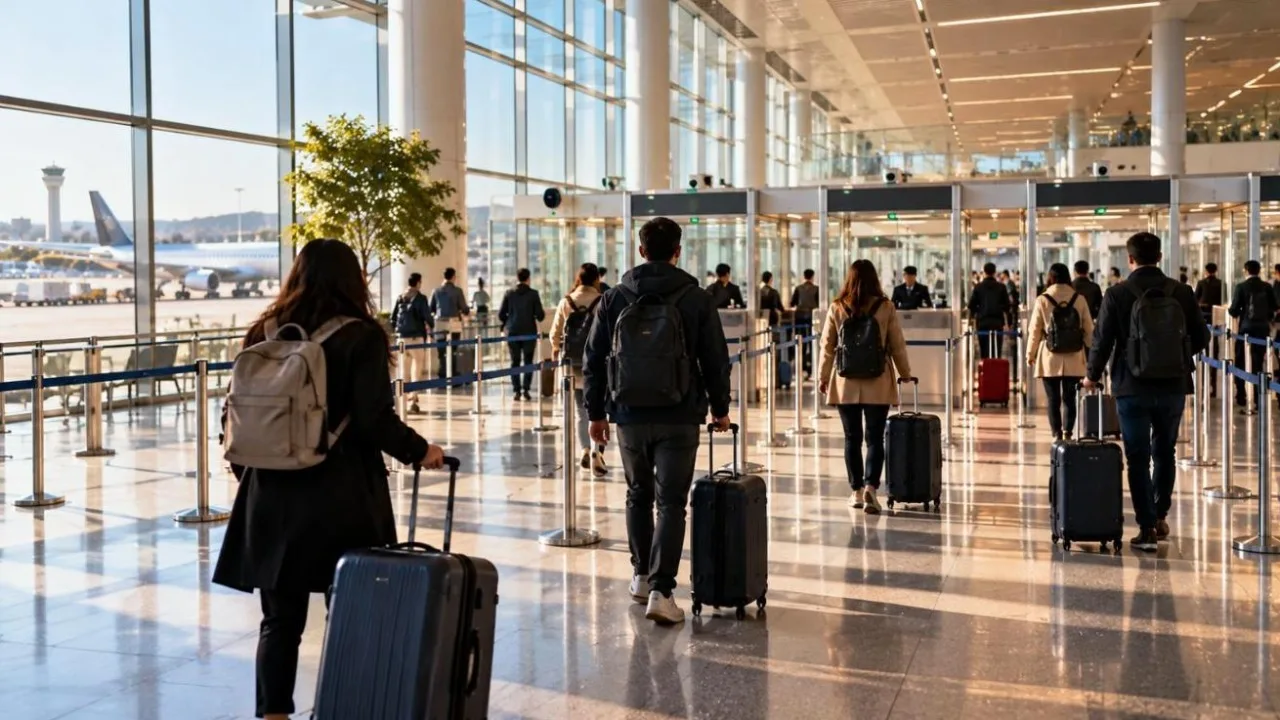
EES (Entry/Exit System): The EU's digital border system began rolling out in October 2025. Non-EU travellers register fingerprints and a facial image the first time they cross a Schengen external border, replacing passport stamps over time. Allow extra time at the border on your first trip.
ETIAS: Visa-exempt travellers will need an online travel authorisation, called ETIAS, once it launches after EES. It is expected to cost a small fee and be valid for several years. Use only the official EU ETIAS website, as many look-alike sites charge extra.
The UK has a similar scheme, the Electronic Travel Authorisation (ETA), for many visa-exempt visitors.
Travel insurance: don't skip it
Medical care for visitors can be very expensive, and a single hospital visit can cost more than your whole trip. Good travel insurance should include:
- Emergency medical treatment and evacuation. Schengen visa applicants need medical cover of at least €30,000 valid across the Schengen area.
- Trip cancellation and interruption.
- Lost or delayed baggage.
- Cover for activities you plan, such as skiing or hiking.
Read the exclusions, especially for pre-existing conditions, and save the emergency phone number in your phone.
Documents checklist
- Passport valid for at least three months after you plan to leave Schengen, and issued within the last ten years.
- Visa or travel authorisation, if required.
- Printed or offline copies of bookings, insurance and return ticket.
- Proof of funds, such as a bank card and a recent statement.
- A photo or scan of your passport saved securely in the cloud.
- Driving licence and International Driving Permit if you plan to rent a car, where required.
Money-saving paperwork habits
- Never pay agents for things you can do yourself on official sites.
- Choose free-cancellation bookings until your visa is approved.
- Buy annual insurance if you travel more than twice a year; it can be cheaper.
In Part 3, we look at how to find cheap flights to and around Europe without hidden fees.
Europe on a Budget: the full series
- Part 1: Plan Your Trip and Set a Budget
- Part 2: Visas, Insurance and Paperwork (you are here)
- Part 3: Finding Cheap Flights
- Part 4: Trains, Buses and Rail Passes
- Part 5: Budget Accommodation
- Part 6: Eat Well for Less
- Part 7: Free and Cheap Sightseeing
- Part 8: The Best-Value Cities
- Part 9: Money, Cards and Fees
- Part 10: A Two-Week Budget Itinerary
Prices, fares, fees and entry rules change often. Treat the ranges here as rough guides and check official websites before you book or travel.