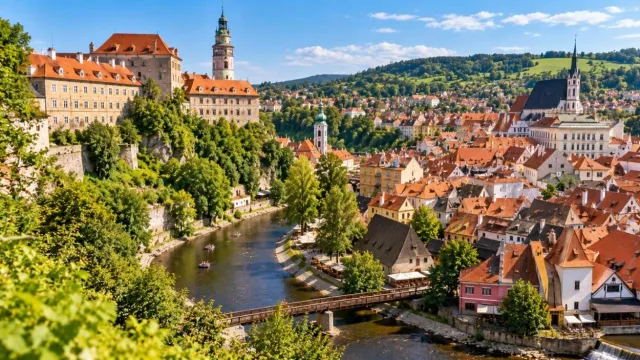
Europe has a reputation for being expensive, and parts of it are. But with the right timing, route and habits, you can see famous cities, eat well and travel comfortably for far less than most people expect. Welcome to Europe on a Budget, a 10-part series that walks you through every step, from planning and paperwork to food, transport and a sample two-week itinerary.
In Part 1 we focus on the decisions that save the most money before you book anything.
1. Pick the right season
When you travel affects almost every price: flights, rooms and even tours.
- Peak season (roughly late June to August): warm weather, long days, big crowds and the highest prices, especially on beaches and in famous cities.
- Shoulder season (April to early June, and September to October): often the best value. Weather is usually pleasant, crowds are thinner and accommodation can cost noticeably less than in summer.
- Low season (November to March, outside Christmas and ski areas): the cheapest flights and rooms, but shorter days, colder weather and some seasonal closures. Great for city breaks focused on museums, cafés and Christmas markets.
Avoid major holidays and big events, such as Easter weeks, local festivals and large trade fairs, when prices in a single city can spike.
2. Choose your region wisely
Costs vary hugely across Europe. In general:
- Most expensive: Switzerland, Norway, Iceland, Denmark, and big cities such as London, Paris and Amsterdam.
- Mid-range: much of Spain, Portugal, Italy outside the hot spots, Germany and Austria.
- Best value: Central and Eastern Europe and the Balkans, including Poland, Hungary, Czechia, Romania, Bulgaria, Serbia, Bosnia and Herzegovina, North Macedonia and Albania.
A trip that mixes one or two "bucket list" cities with several cheaper ones keeps the average cost down. We cover the best-value cities in Part 8.
3. Set a daily budget
A simple way to budget is to split costs into fixed and daily items:
- Fixed: flights to and from Europe, travel insurance, visas, rail passes and any pre-booked tours.
- Daily: accommodation, food, local transport, sightseeing and small extras.
As a rough guide for daily costs per person, excluding long-distance travel:
- Shoestring: dorm beds, supermarket meals, free sights. Often around €40 to €60 in cheaper countries, and more in Western Europe.
- Budget-comfortable: private hostel rooms or simple guesthouses, one restaurant meal a day, some paid attractions. Often around €70 to €120.
- Mid-range: hotels, two restaurant meals and regular tours. Usually €150 and up.
Add a 10 to 15% buffer for surprises. Then track spending daily with a simple app or notebook.
4. Slow down
Moving every day or two is the hidden budget killer. Each move costs a ticket, a half-day of travel time and often a pricier last-minute room. Staying three or four nights per base usually works out cheaper and less tiring. You can still see nearby towns on day trips.
5. Plan a logical route
- Choose cities close together and connected by direct trains or buses.
- Avoid zig-zagging back and forth across the map.
- Consider an "open-jaw" ticket, flying into one city and out of another, so you never have to backtrack. Part 3 explains how.
6. Book in the right order
- Check entry rules first, especially if you need a visa (see Part 2).
- Book international flights once dates are fixed.
- Book accommodation in expensive or busy cities early, choosing free-cancellation options where possible.
- Book key long-distance trains once sales open. Many operators release cheaper fares a few months ahead.
- Reserve timed-entry attractions that sell out, such as some famous museums and landmarks.
- Leave cheap, flexible items such as local transport and most meals for later.
7. Pack light
A carry-on-sized bag saves money on budget airlines, makes walking from stations practical and lets you use public transport instead of taxis. Pack layers, comfortable walking shoes, a reusable water bottle and a universal adapter.
Quick checklist
- Travel in shoulder season if you can.
- Mix pricier capitals with best-value cities.
- Set a daily budget with a buffer.
- Stay longer in fewer places.
- Plan a simple, one-direction route.
- Book flights and key stays early with free cancellation.
In Part 2, we cover visas, travel insurance and the paperwork that keeps your trip stress-free.
Europe on a Budget: the full series
- Part 1: Plan Your Trip and Set a Budget (you are here)
- Part 2: Visas, Insurance and Paperwork
- Part 3: Finding Cheap Flights
- Part 4: Trains, Buses and Rail Passes
- Part 5: Budget Accommodation
- Part 6: Eat Well for Less
- Part 7: Free and Cheap Sightseeing
- Part 8: The Best-Value Cities
- Part 9: Money, Cards and Fees
- Part 10: A Two-Week Budget Itinerary
Prices, fares, fees and entry rules change often. Treat the ranges here as rough guides and check official websites before you book or travel.