This is Part 18 of Wonders of India, our series on India's UNESCO World Heritage Sites. Start from Part 1: Taj Mahal or read the previous part, Part 17: Ramappa Temple.
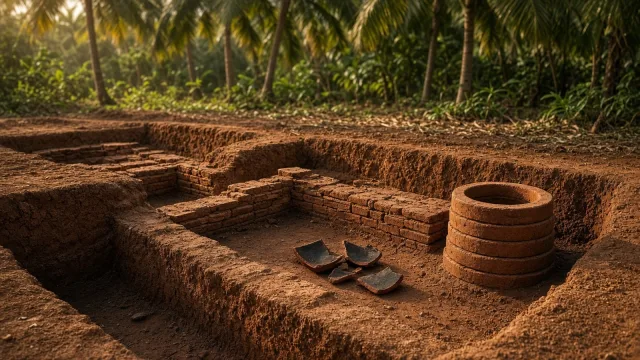
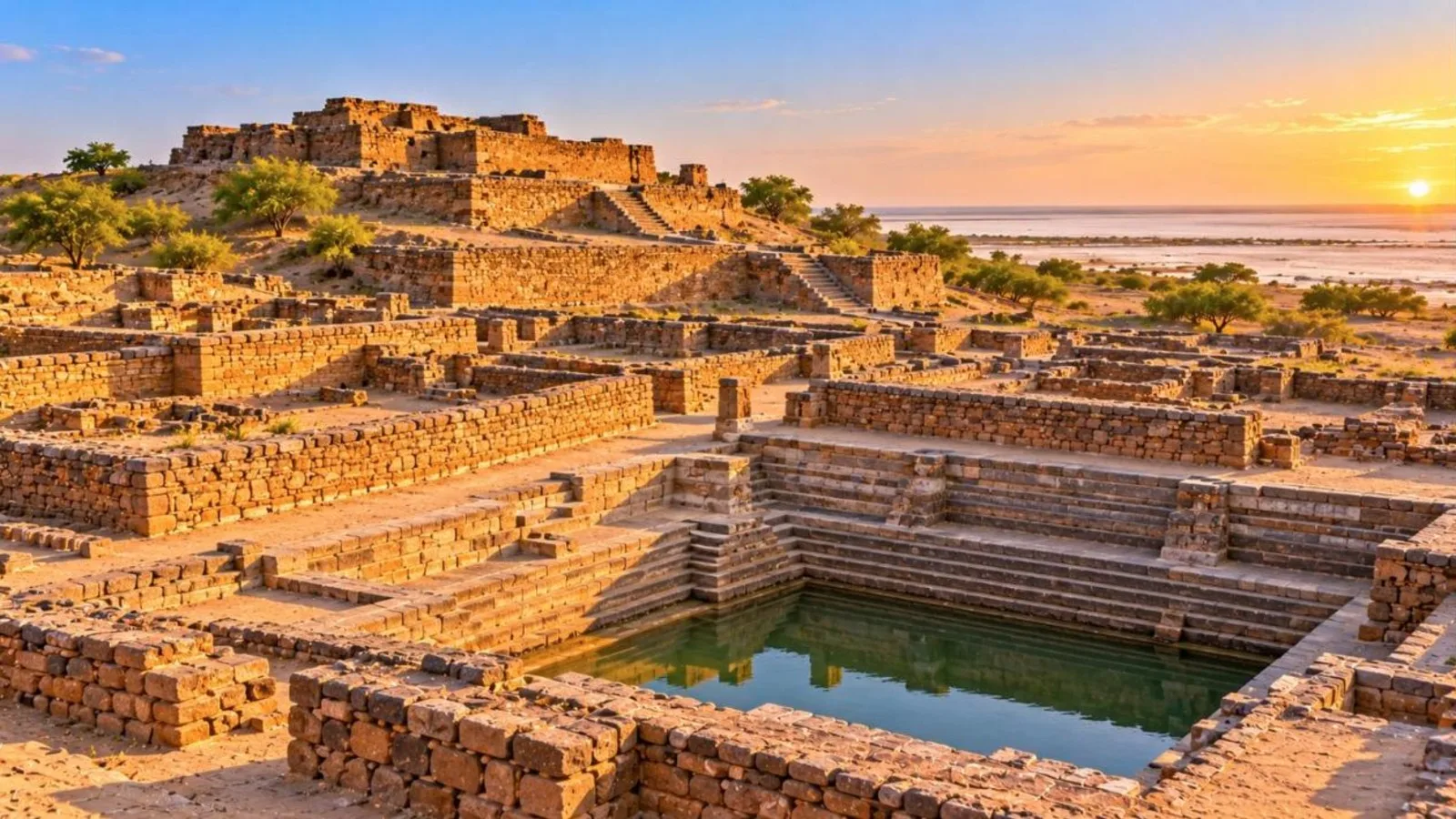
On Khadir Bet, an island in the Great Rann of Kutch, lie the remains of Dholavira, one of the five largest cities of the Harappan (Indus Valley) Civilisation. Its sophisticated planning and water management reveal how people thrived in a harsh, dry landscape more than 4,000 years ago.
At a glance
- Location: Khadir Bet, Kutch district, Gujarat
- Occupied: roughly 3000-1500 BCE
- Discovered: 1967-68 by archaeologist J.P. Joshi; excavated mainly from 1990 under R.S. Bisht
- UNESCO World Heritage Site: since 2021
History
Dholavira was occupied for well over a thousand years and went through several phases of growth and decline. It was a centre of craft and trade, with links to other Harappan cities and possibly Mesopotamia. Unlike most Harappan sites built of brick, Dholavira used local stone extensively. Climate change and shifting rivers likely contributed to its eventual abandonment.
What to see
- Citadel, middle town and lower town: a three-part city plan, unusual among Harappan sites.
- Reservoirs and water channels: a network of stone-cut reservoirs, drains and dams that captured seasonal rain and stream water.
- The "signboard": a famous inscription of ten large Indus script signs, discovered near the north gate, possibly one of the world's earliest signboards.
- Stadium or ceremonial ground: a large open space between the citadel and middle town.
- Site museum: pottery, beads, seals and tools.
Visiting Dholavira
- Timings: daytime hours, generally sunrise to sunset.
- Tickets: a modest ASI entry fee applies.
- Getting there: about 220-250 km by road from Bhuj (4-5 hours). The new road across the Rann towards Khavda, nicknamed the "Road to Heaven", is spectacular.
- Stay: limited accommodation, including Gujarat Tourism and seasonal tent resorts.
- Best time: November to February, alongside the Rann Utsav.
Tips
- Carry water, sun protection and snacks; services are limited.
- Visit the nearby fossil park, with fossilised wood millions of years old.
Did you know?
Dholavira became India's 40th UNESCO World Heritage Site and the first Harappan site in India to be inscribed. Read about the region in our Gujarat travel guide.
Ticket prices and timings are set by the Archaeological Survey of India (ASI) and can change; online tickets are usually slightly cheaper. Check the ASI website before you visit.
Next in Wonders of India: Kaziranga National Park.