This is Part 17 of Wonders of India, our series on India's UNESCO World Heritage Sites. Start from Part 1: Taj Mahal or read the previous part, Part 16: Nalanda.
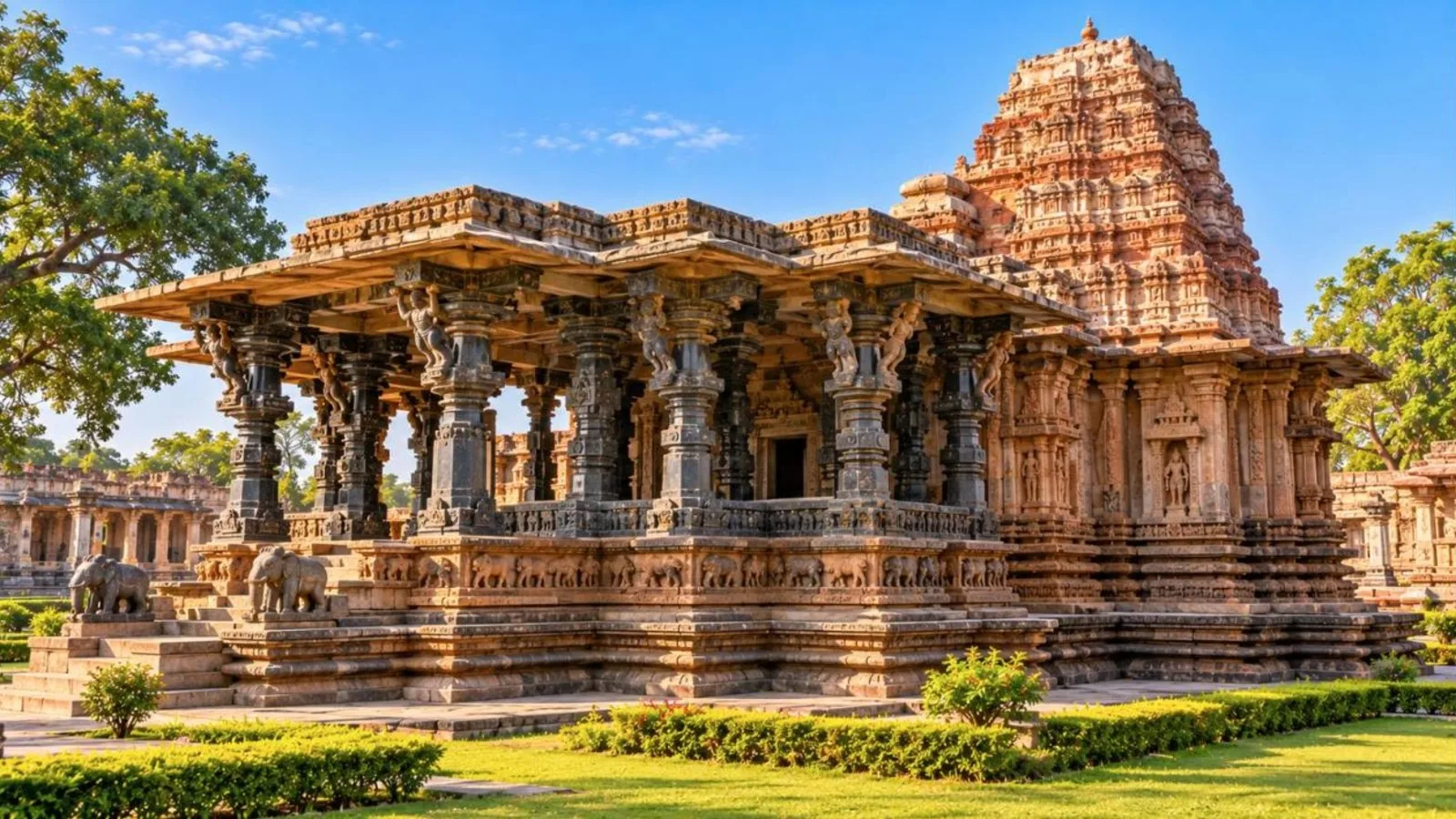
In a quiet village in Telangana stands a 13th-century temple whose engineering and art have impressed visitors for 800 years. The Ramappa Temple was inscribed as a UNESCO World Heritage Site in 2021 and is one of the finest achievements of the Kakatiya dynasty.
At a glance
- Official name: Rudreswara Temple
- Location: Palampet, Mulugu district, Telangana
- Built: 1213 CE
- Built by: Recharla Rudra, a general of Kakatiya king Ganapati Deva
- UNESCO World Heritage Site: since 2021
History
The Kakatiyas ruled from Warangal and were great builders of temples, forts and irrigation lakes. Ramappa was built near the large Ramappa Lake, part of a sophisticated water system. Unusually, the temple is popularly known by the name of its chief sculptor, Ramappa, rather than its deity, a rare honour for an artist in India. The temple survived wars and earthquakes remarkably well.
Engineering marvels
- "Floating" bricks: the tower is built of very light, porous bricks that are said to float on water, reducing the load on the structure.
- Sandbox foundation: the temple rests on a bed of sand, a technique believed to help it absorb earthquake shocks.
- Polished basalt: pillars and sculptures carved from hard black stone with a mirror-like finish.
What to see
- Madanikas: elegant bracket figures of dancers and musicians on the outer pillars.
- Friezes of dancers: poses that later inspired the revival of the Perini Shivatandavam dance form.
- Nandi pavilion: a finely carved Nandi facing the sanctum.
- Ceiling panels: intricate carvings inside the mandapa.
- Ramappa Lake: a large Kakatiya-era reservoir near the temple.
Visiting Ramappa
- Timings: daily, roughly 6 am to 6 pm.
- Getting there: about 70 km from Warangal and around 210 km from Hyderabad by road. Warangal (Kazipet) is the nearest major railway station.
- Combine with: Warangal Fort, the Thousand Pillar Temple in Hanamkonda and Laknavaram Lake.
Tips
- Visit early morning or late afternoon for soft light on the basalt carvings.
- Check the official tourism site for any entry fee changes since UNESCO listing.
Did you know?
Ramappa was India's 39th UNESCO World Heritage Site, inscribed just days before Dholavira, the subject of our next part. Plan your trip with our Telangana travel guide.
Next in Wonders of India: Dholavira, a Harappan city.