This is Part 15 of the Car & Bike Owner's Guide, our 20-part series on owning, running and staying legal with a vehicle in India. New here? Start with Part 1: Choosing Your First Car, or read the previous part, Part 14: Child Safety in Cars and on Bikes.
With petrol prices high, CNG cars have become hugely popular in India, especially for taxis and heavy city users. Running costs per kilometre are much lower than petrol, but owning one means following a few extra rules.
Factory-fitted or retrofitted?
- Factory-fitted CNG: Engineered and warrantied by the manufacturer. The safest and simplest choice.
- Retrofitted kits: Must be a government-approved kit, installed by an authorised fitter, and endorsed on your RC by the RTO. Inform your insurer too, or a claim can be rejected.
The three-year hydro-test
Every CNG cylinder must be hydro-tested every three years. The cylinder is filled with water at high pressure to check for weakness or leaks, and a certificate and plate are issued if it passes.
Enforcement has tightened. In August 2026, after a cylinder blast at a Delhi CNG station, fuel pumps in Noida and Greater Noida were ordered to check hydro-test certificates and refuse vehicles with overdue cylinders. Expect similar checks elsewhere.
- Note your cylinder's test due date and book at an authorised testing centre in advance.
- Keep the certificate in the car.
- A cylinder that fails or is past its service life must be replaced, not repaired.
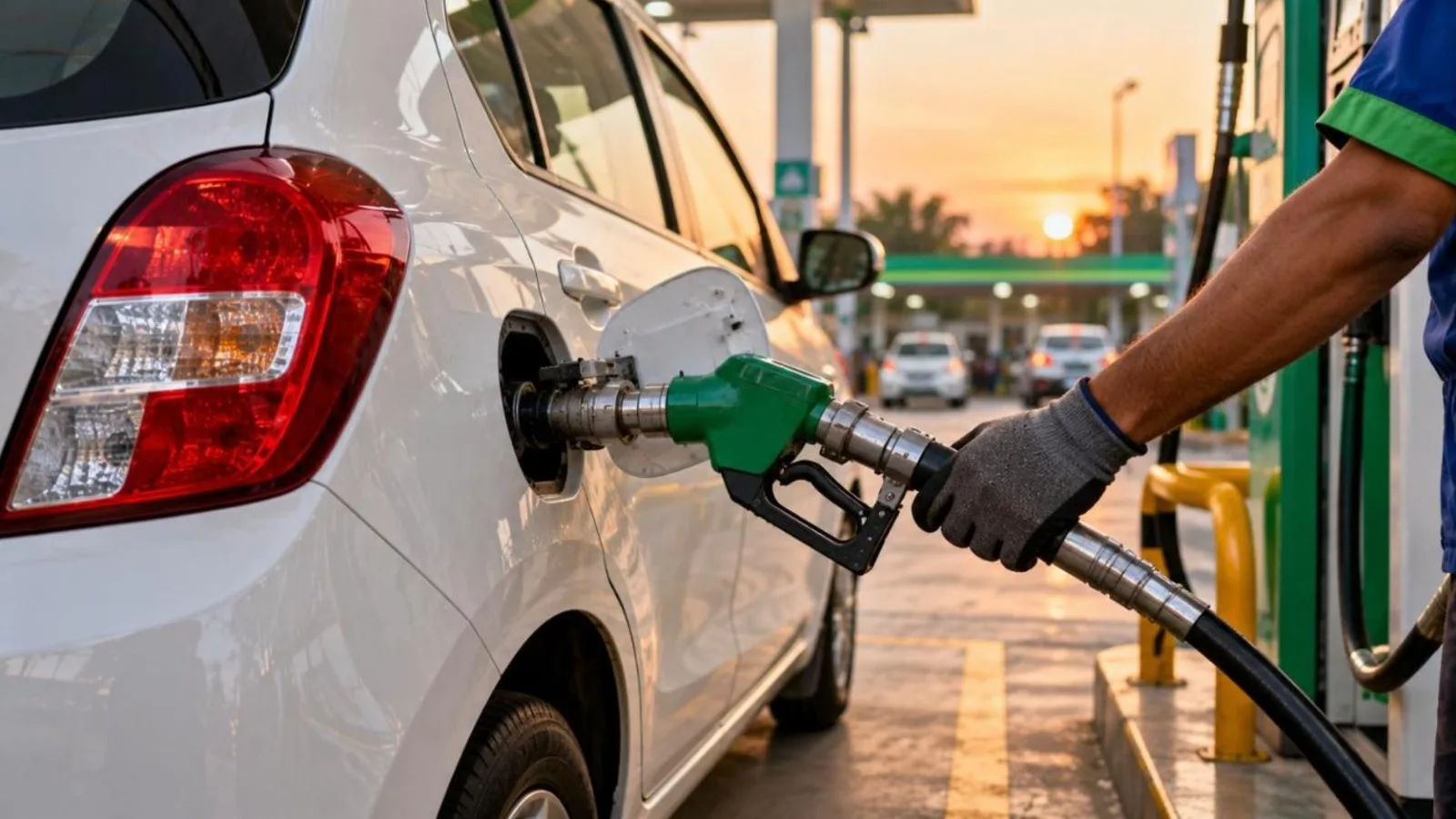
Refuelling safely
- Switch off the engine, and remove the key.
- Ask passengers to step out of the car, as most stations require.
- No smoking or phone calls near the dispenser.
- Check that the filler cap is closed properly before you leave.
Maintenance tips
- CNG burns hotter, so spark plugs and air filters may need changing more often.
- Get the CNG kit, pipes and filter checked at every service.
- Keep some petrol in the tank. Many CNG cars start on petrol and switch over automatically.
- Run the car on petrol occasionally if your manufacturer recommends it.
If you smell gas
Stop safely, switch off the engine, get everyone out, open the doors and do not start the car or use any flame. Call your service centre or roadside assistance.
Compare with other fuels in Part 1: Choosing Your First Car, and see a recent CNG launch in our XUV 3XO CNG article.
Rules, fees and fines here reflect central rules as of October 2026. States can set their own procedures and compounding amounts, and rules change, so check the Parivahan portal, your state transport department or your RTO before acting.
Next in the series: Part 16: Owning an Electric Scooter.