Polycystic ovary syndrome (PCOS) is now called polyendocrine metabolic ovarian syndrome (PMOS). It is a common, long-term hormone condition that can cause irregular periods, excess facial or body hair, acne, weight gain, difficulty getting pregnant and changes in mood. It also raises the risk of type 2 diabetes and heart disease. There is no cure, but it is diagnosed with a simple set of criteria, and lifestyle changes plus medicines for specific symptoms help most people manage it well. The new name reflects that it is a whole-body hormonal and metabolic condition, not a disease of "cysts".
Why PCOS was renamed PMOS
In 2026, the new name was announced in a paper in The Lancet titled "Polyendocrine metabolic ovarian syndrome, the new name for polycystic ovary syndrome: a multistep global consensus process". According to the Endocrine Society, the process took 14 years, drew more than 22,000 survey responses from patients and health professionals, and involved 56 patient and professional organisations worldwide. It was led by Professor Helena Teede of Monash University.
The main reasons for the change were:
- "Cysts" was misleading. The old name led many people to believe they had abnormal cysts on their ovaries. The Endocrine Society notes that there is actually no increase in abnormal ovarian cysts in this condition.
- The old name missed most of the condition. The new name highlights changing hormone levels across several glands ("polyendocrine") and the metabolic effects ("metabolic"), such as insulin resistance, weight and heart health, alongside effects on the ovaries.
- Stigma. Avoiding a purely reproductive label was intended to reduce stigma in some cultures.
The Endocrine Society describes a three-year transition, with full adoption expected in the next update of the international evidence-based guideline. During this time you will see both names. The NHS already uses PMOS and notes that it "used to be called polycystic ovary syndrome (PCOS)", while the World Health Organization fact sheet still uses PCOS. They describe the same condition, so the advice below applies whichever name your doctor uses.
How common is PMOS?
The WHO estimates that it affects 10–13% of women of reproductive age, and that up to 70% of those affected have not been diagnosed. The Endocrine Society puts it at around 1 in 8 women, or more than 170 million worldwide. The WHO describes it as the most common cause of not ovulating and a leading cause of infertility.
Symptoms
Symptoms usually start around puberty, but many people are diagnosed later, often when they have trouble getting pregnant. They can be mild or severe, and some people have none. The NHS lists the main symptoms as:
- irregular periods, or long gaps between periods
- excess hair on the face, chest, back or bottom (hirsutism), or thinning hair on the head
- weight gain or difficulty losing weight
- difficulty getting pregnant
- oily skin and acne
- depression or anxiety
- feeling very tired
- darkened, velvety patches of skin, often on the neck or in the armpits (acanthosis nigricans)
If you are dealing with acne or thinning hair, our guides to acne-prone skin and hair loss in women may help alongside medical care.
What causes it?
The exact cause is not known. The NHS says it may be linked to insulin and testosterone not working properly in the body. Insulin resistance, where the body needs more insulin to keep blood sugar normal, can push the ovaries to make more androgens (male-type hormones such as testosterone), which disrupts ovulation and causes symptoms like excess hair and acne. You are more likely to have it if a close relative does, and the NHS notes it is more common in people from an Asian background.
How it is diagnosed
There is no single test. The WHO explains that diagnosis needs at least two of these three features, after other causes have been ruled out:
| Feature | How it is checked |
|---|---|
| Signs of high androgens | Excess hair growth or acne, or raised testosterone on a blood test |
| Irregular or absent periods | Your menstrual history |
| Polycystic-appearing ovaries | Ultrasound scan (the NHS offers this only to people over 18) |
You do not need to have "cysts" to be diagnosed. Your doctor will check for other conditions that can cause similar symptoms before confirming the diagnosis. After diagnosis, the WHO advises testing for insulin resistance and checking your heart and blood vessel risk, for example blood pressure and cholesterol.
Treatment and management
Treatment depends on your symptoms and goals, such as regulating periods, managing hair growth or acne, or getting pregnant.
Lifestyle
The NHS recommends a healthy, balanced diet and regular exercise, and losing weight if you are overweight, which can improve symptoms. The WHO stresses that a healthy lifestyle helps even if it does not lead to weight loss. Activities you enjoy, such as a daily walking habit, are a good place to start.
Medicines
Depending on your symptoms, the NHS lists:
- Irregular periods: the combined contraceptive pill, progestogen-only pill or a hormonal coil (IUS).
- Excess hair: the combined pill, medicines such as spironolactone (an androgen blocker), or eflornithine cream.
- Acne: creams or tablets.
- Fertility: medicines such as clomifene to help you ovulate.
- Metabolic health: metformin, or weight-loss medicines if you are overweight.
Not every medicine is suitable if you are trying to get pregnant, so tell your doctor about your plans so they can choose the right option. The WHO notes that the combined pill can regulate cycles and may also reduce acne and hair growth.
Fertility treatment
Many people with PMOS get pregnant. The WHO lists lifestyle changes, medicines to stimulate ovulation, surgery and IVF as options. One surgical option is laparoscopic ovarian drilling, a minor procedure. Pregnancy carries a higher risk of complications, such as gestational diabetes, so extra monitoring is usually advised.
Hair removal and emotional support
Shaving, waxing, creams, electrolysis or laser can help manage unwanted hair. Talking therapy can help if PMOS is affecting your mood or self-esteem.
Long-term health risks
PMOS raises the risk of several conditions, which is why regular check-ups matter. According to the NHS and WHO, these include:
- type 2 diabetes and gestational diabetes (see our guide to reversing prediabetes)
- high blood pressure and high cholesterol
- heart and blood vessel disease
- sleep apnoea
- fatty liver disease (see fatty liver disease: symptoms, causes and diet)
- thickening or cancer of the womb lining (endometrial hyperplasia or cancer), linked to infrequent periods
- anxiety, depression and eating disorders
Regular check-ups for blood sugar, blood pressure and cholesterol, plus a healthy lifestyle, help lower these risks.
Living with PMOS day to day
Because PMOS is long term, small, steady habits often matter more than quick fixes. These practical steps can help you and your doctor manage it together:
- Track your cycle. Note the dates of your periods, how heavy they are and any symptoms. This makes appointments more useful and helps spot long gaps between periods.
- Build regular movement into your week. The WHO recommends that adults aim for 150 to 300 minutes of moderate activity a week. Any amount is better than none.
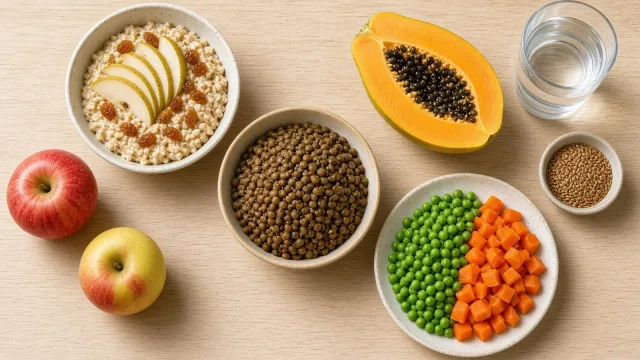
- Focus on overall eating patterns. Meals built around vegetables, pulses, whole grains and lean protein, with fewer sugary drinks and refined snacks, support both weight and blood sugar.
- Keep up with check-ups. Ask how often you should have your blood sugar, blood pressure and cholesterol checked.
- Look after your mental health. Anxiety and depression are more common with PMOS. Talking therapy and support groups can help, and it is worth raising mood changes with your doctor.
Questions to ask your doctor
- Which of the diagnostic criteria do I meet?
- Do I need tests for insulin resistance, cholesterol or blood pressure, and how often?
- Which treatment fits my main concern right now: periods, skin, hair or fertility?
- Is this medicine safe if I am planning a pregnancy?
- Where can I get support for my mood or body image?
When to see a doctor
See a doctor if you think you may have PMOS, or if symptoms such as irregular periods, excess hair, acne or difficulty getting pregnant are affecting your life. Also seek advice if your periods stop for several months without explanation, or if you notice changes in mood that worry you.
Frequently asked questions
Is PMOS the same as PCOS?
Yes. PMOS (polyendocrine metabolic ovarian syndrome) is the new name for PCOS. The diagnosis, symptoms and treatment are the same; only the name has changed to better describe the condition.
Do you have cysts on your ovaries with PMOS?
Not necessarily. According to the Endocrine Society, there is no increase in abnormal ovarian cysts, and the WHO notes that an ultrasound finding is only one of three possible criteria, so you can be diagnosed without it. This misunderstanding was one reason for the name change.
Can PMOS be cured?
There is no cure, but symptoms can be managed well with lifestyle changes and treatment, and the long-term risks can be reduced with regular check-ups.
Can I get pregnant if I have PMOS?
Many people can. It may take longer, and some need treatment to help them ovulate. Talk to your doctor if you are planning a pregnancy.
Does the name change affect my treatment?
No. The name change does not change the diagnosis or the treatments available. You may see both PCOS and PMOS on letters, websites and test reports during the transition period.
Disclaimer: This article is for general information only and is not medical advice. It does not replace a diagnosis or treatment plan from a qualified professional. Please consult your doctor before changing your diet, exercise, medicines or supplements, and seek urgent care for any warning signs mentioned above.
Sources
- The Lancet: Polyendocrine metabolic ovarian syndrome, the new name for polycystic ovary syndrome: a multistep global consensus process (DOI 10.1016/S0140-6736(26)00717-8)
- Endocrine Society: PCOS name change announcement
- NHS: Polyendocrine metabolic ovarian syndrome (PMOS)
- World Health Organization: Polycystic ovary syndrome fact sheet
- World Health Organization: Physical activity fact sheet