Fatty liver disease means too much fat has built up in your liver. The most common type is now called MASLD (metabolic dysfunction-associated steatotic liver disease, formerly NAFLD). It usually causes no symptoms and is often found by chance on a blood test or ultrasound. It is mainly linked to excess weight, especially around the waist, type 2 diabetes, high blood pressure and high cholesterol. The main treatment is lifestyle: gradual weight loss, a Mediterranean-style diet, regular exercise and keeping alcohol low. Losing even 3–5% of your body weight can reduce liver fat.
This guide explains the symptoms to watch for, what causes fatty liver, how it is diagnosed, the stages, and a practical diet and lifestyle plan, including how to adapt it to an Indian kitchen.
What is fatty liver disease?
A healthy liver contains little or no fat. Fatty liver disease (hepatic steatosis) is when fat makes up an abnormal share of the liver. There are two broad types:
- MASLD (metabolic fatty liver): linked to excess weight, insulin resistance, diabetes and other metabolic risk factors, not to heavy drinking. The NHS notes it is also known as non-alcoholic fatty liver disease (NAFLD).
- Alcohol-related fatty liver disease: caused by drinking too much alcohol.
The names changed in recent years. Doctors moved from "non-alcoholic" to "metabolic dysfunction-associated" to describe the cause more accurately, and the inflamed form once called NASH is now MASH (metabolic dysfunction-associated steatohepatitis). You may still see the old terms on reports.
Fatty liver symptoms
Most people have no symptoms, especially in the early stages. The US National Institute of Diabetes and Digestive and Kidney Diseases (NIDDK) describes it as a "silent" disease. When symptoms do appear, the NHS lists:
- tiredness
- feeling generally unwell
- a dull ache or pain in the upper right side of the tummy, under the ribs
If the liver becomes badly scarred (cirrhosis), more serious signs can appear, such as yellowing of the skin and eyes (jaundice), itching, and swelling of the legs or tummy. These need prompt medical attention.
What causes fatty liver?
Metabolic fatty liver is closely tied to how the body handles energy, sugar and fat. The NHS says you are more likely to get it if you:
- are overweight, especially with fat around your waist
- eat an unhealthy diet or are not physically active
- have type 2 diabetes or prediabetes
- have polycystic ovary syndrome (now also called PMOS)
- have high blood pressure or high cholesterol
- are over 50
The NIDDK adds obesity, metabolic syndrome and type 2 diabetes as key risks. Because these conditions overlap, managing blood sugar matters too. Our guide on how to reverse prediabetes uses many of the same steps. Eating patterns may also play a role: we covered research on late-night eating and fatty liver risk.
How fatty liver is diagnosed
Fatty liver is often discovered by accident, for example when a routine blood test shows raised liver enzymes or an ultrasound done for another reason shows a "bright" liver. Our explainer on the liver function test (LFT) covers what those numbers mean. A doctor may then:
- ask how much alcohol you drink, to tell the two types apart
- check your weight, waist, blood pressure, blood sugar and cholesterol
- order an ultrasound or a scan that measures liver stiffness, plus blood-based fibrosis scores, to estimate scarring
- rarely, recommend a liver biopsy if the picture is unclear
The four stages of fatty liver disease
The NHS describes four stages. Most people never get beyond the first.
| Stage | What happens | Can it improve? |
|---|---|---|
| 1. Simple fatty liver (steatosis) | Fat builds up in liver cells, usually harmlessly | Yes, with weight loss and lifestyle change |
| 2. MASH (formerly NASH) | The liver becomes inflamed | Often, especially with substantial weight loss |
| 3. Fibrosis | Ongoing inflammation causes scar tissue | Early scarring can improve; specialist care helps |
| 4. Cirrhosis | Severe, permanent scarring; the liver shrinks and becomes lumpy | Damage is usually permanent; the aim is to stop it getting worse |
The main reason to act early is to keep the condition at stage 1 or move it back there. People with fatty liver also have a higher risk of heart disease, so the same habits protect the heart too.
Fatty liver diet: what to eat
There is no single "liver detox" food. The 2023 practice guidance from the American Association for the Study of Liver Diseases (AASLD) recommends a calorie deficit, preferably with a Mediterranean-style diet. That means a diet lower in refined carbohydrates and saturated fat and higher in fibre and unsaturated fats.
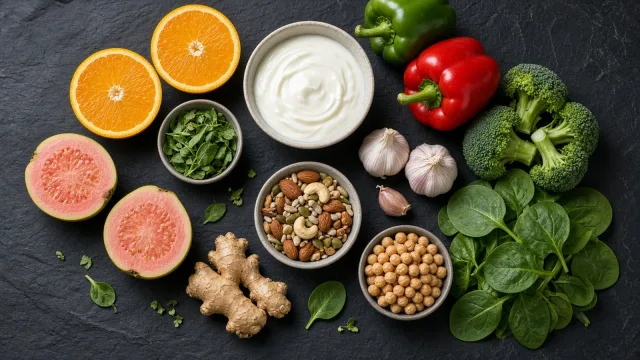
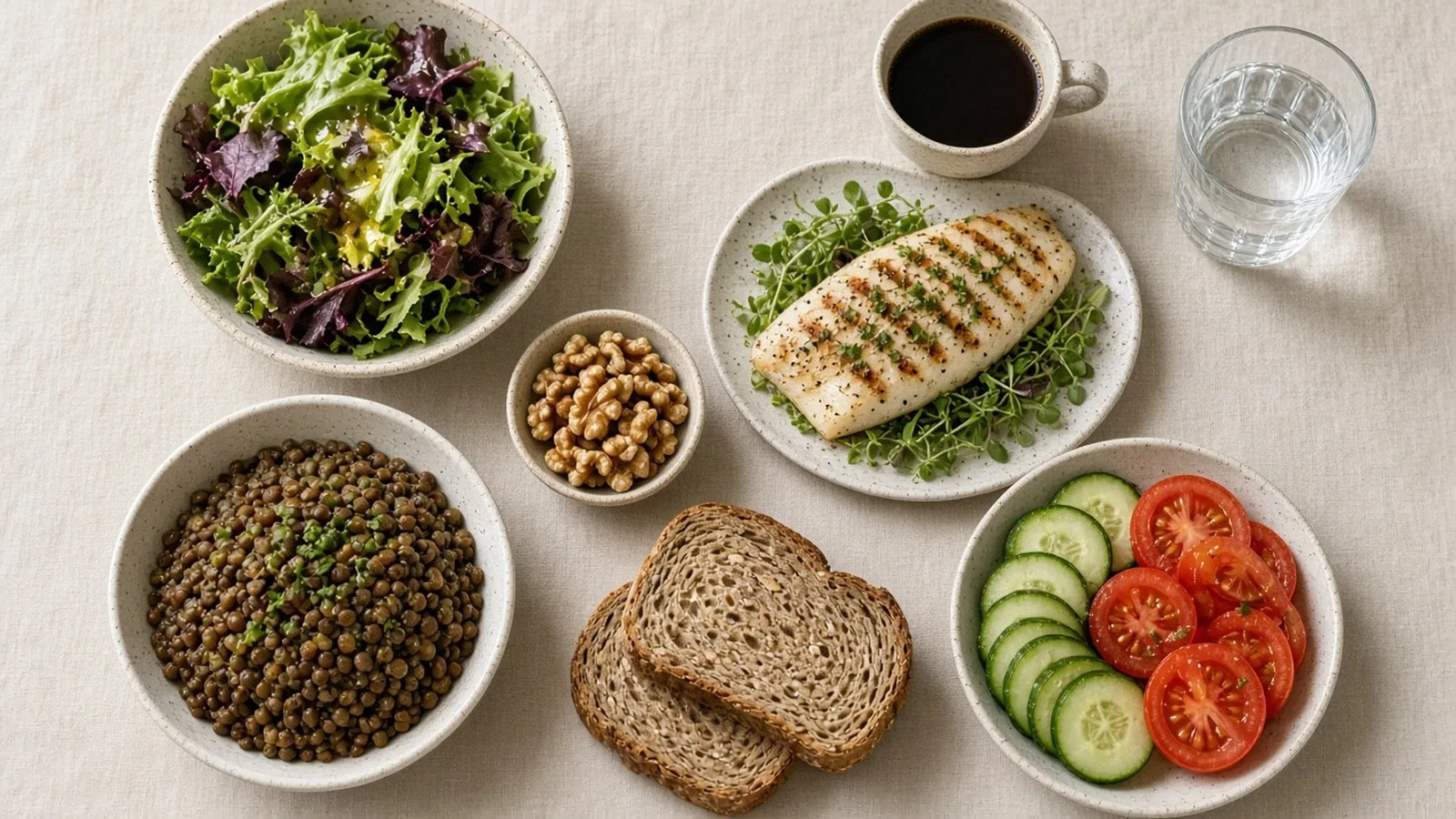
Foods to build meals around
- Vegetables and salads: half the plate at lunch and dinner.
- Pulses and legumes: dal, rajma, chana and sprouts provide protein and fibre.
- Whole grains in sensible portions: brown rice, millets (ragi, jowar, bajra), whole-wheat roti and oats instead of refined white flour.
- Healthy fats in small amounts: nuts, seeds and unsaturated oils such as groundnut, mustard or olive oil.
- Lean protein: fish, eggs, chicken, paneer or tofu in moderate portions.
- Whole fruit rather than juice.
Foods and drinks to limit
- Sugary drinks and sweets: soft drinks, packaged juices, mithai and sweetened tea or coffee.
- Refined carbohydrates: maida-based breads, biscuits and large portions of white rice.
- Fried and processed foods: samosas, pakoras, chips, and processed or red meats.
- Saturated fat: ghee, butter, vanaspati and fatty meats, in larger amounts.
- Alcohol: the NHS advises staying within 14 units a week, and people with more advanced disease are often advised to stop completely.
What about coffee?
The AASLD guidance notes that drinking at least three cups of coffee a day, caffeinated or not, is associated with less advanced liver disease. This is an observational link, not proof that coffee treats fatty liver. If you drink coffee, keep it low in sugar, and don't start drinking a lot of it just for your liver.
How much weight do you need to lose?
Weight loss is the most effective treatment, and the targets are achievable. According to the AASLD guidance:
- losing 3–5% of body weight can reduce liver fat
- losing more than 10% is generally needed to improve inflammation (MASH) and scarring
For an 80 kg adult, 5% is 4 kg. The NIDDK also notes that weight loss can reduce fat, inflammation and fibrosis in the liver. Aim for slow, steady loss. The guidance acknowledges that few people reach their weight-loss goal within a year, so ask for structured support from a doctor or dietitian if it is hard.
Exercise for fatty liver
The NHS recommends at least 150 minutes of moderate activity a week, such as brisk walking or cycling. The AASLD notes that exercise benefits the liver even without weight loss, so it is worth doing whatever the scale says. If you are starting from scratch, our beginner's walking plan is a simple way in. Add muscle-strengthening work twice a week if you can.
Other things that help
- Stop smoking. It is on the NHS list of self-care steps.
- Manage linked conditions such as diabetes, blood pressure and cholesterol with your doctor.
- Be careful with supplements. Some herbal and "liver cleanse" products can harm the liver. Tell your doctor about everything you take.
- Keep up regular check-ups. The NHS says people with fatty liver usually have check-ups at least once a year, with repeat tests every few years to look for scarring.
Medical treatment: when lifestyle is not enough
For most people, lifestyle change is the treatment. For people with more advanced disease, a liver specialist may consider medicines:
- The NHS mentions that specialists may sometimes use pioglitazone or vitamin E, and may consider weight-loss medicines or surgery.
- In the United States, the FDA has approved resmetirom (Rezdiffra) and semaglutide (Wegovy) for adults with MASH and moderate-to-advanced liver scarring (but not cirrhosis). Both are used alongside diet and exercise and were approved under the FDA's accelerated-approval pathway, which requires further studies to confirm benefit.
- Very rarely, when the liver fails, a liver transplant may be needed.
These medicines are prescribed after specialist assessment of scarring. They are not for self-treatment of a fatty liver found on ultrasound, and availability differs between countries. For background on drugs like semaglutide, see our weight-loss drugs comparison.
When to see a doctor
- Your report says "fatty liver" or shows raised liver enzymes. Ask whether you need a scarring assessment.
- You have diabetes, obesity or metabolic syndrome. Ask whether you should be checked.
- Seek urgent care for yellow skin or eyes, vomiting blood, black stools, confusion, or a swollen tummy.
Frequently asked questions
Can fatty liver be reversed?
Yes, in many cases. Simple fatty liver and early inflammation can improve with weight loss, a healthier diet and exercise. Advanced scarring (cirrhosis) is usually permanent, which is why early action matters.
Is fatty liver dangerous?
Most people with simple fatty liver do not develop serious liver damage. A minority progress to inflammation, scarring and cirrhosis. Fatty liver is also linked to a higher risk of heart disease, so it is a useful warning sign to act on.
Can thin people get fatty liver?
Yes. It is less common, but it can occur in people with a normal body weight, especially those with belly fat, diabetes or other metabolic risk factors. The same lifestyle advice usually applies.
Are there home remedies or detox drinks for fatty liver?
No detox drink or herbal remedy is proven to remove liver fat. Some herbal products can damage the liver. Gradual weight loss, a balanced diet and regular activity are what the evidence supports.
Which fruits are good for fatty liver?
Whole fruits in normal portions are fine and add fibre. Choose whole fruit over juice, and go easy on very sweet fruits if you also have diabetes or are trying to lose weight.
Disclaimer: This article is for general information only and is not medical advice. It does not replace a diagnosis or treatment plan from a qualified professional. Please consult your doctor before changing your diet, exercise, medicines or supplements, and seek urgent care for any warning signs mentioned above.
Related reading on HorizonDesk
- Lab tests explained: liver function test (LFT)
- Late-night eating and fatty liver risk
- How to reverse prediabetes
- Start a daily walking habit
Sources
- NHS: Non-alcoholic fatty liver disease (MASLD)
- NIDDK: NAFLD and NASH
- Rinella ME et al., Hepatology: AASLD Practice Guidance on the clinical assessment and management of NAFLD (2023)
- US FDA: approval of Rezdiffra (resmetirom) for liver scarring due to fatty liver disease
- US FDA: approval of Wegovy (semaglutide) for MASH