Yes, prediabetes can often be reversed, or at least kept from turning into type 2 diabetes, mainly through lifestyle changes. The strongest evidence comes from the US Diabetes Prevention Program (DPP). In that trial, people at high risk who lost about 7% of their body weight and did at least 150 minutes of brisk activity a week cut their chance of developing diabetes by 58% compared with placebo. Losing 5–7% of your starting weight, moving more, eating more fibre and fewer refined carbohydrates, sleeping well and getting tested each year are the core of the plan. This guide explains what prediabetes is, which numbers matter and how to build a routine you can keep up.
What prediabetes actually means
Prediabetes means your blood glucose (blood sugar) is higher than normal but not yet high enough to be diagnosed as type 2 diabetes. Behind it is usually insulin resistance. Your muscle, fat and liver cells stop responding well to insulin, so the pancreas has to work harder to keep glucose in check. When it can no longer keep up, glucose levels start to rise.
It is very common. The US National Institute of Diabetes and Digestive and Kidney Diseases (NIDDK) reports that about 97.6 million US adults had prediabetes in 2021. In India, the ICMR-INDIAB national survey of more than 113,000 adults found a weighted prevalence of 15.3% for prediabetes and 11.4% for diabetes. Most people with prediabetes have no symptoms, which is why testing matters.
The NIDDK says people with prediabetes have a high chance of developing type 2 diabetes within 5 to 10 years, but not everyone does. That gap is your opportunity.
The numbers: how prediabetes is diagnosed
Doctors use one or more blood tests. The ranges below are the American Diabetes Association cut-offs used by the NIDDK. Some countries and the WHO use a slightly higher fasting threshold (110–125 mg/dL), so ask your doctor which criteria your lab follows.
| Test | Normal | Prediabetes | Diabetes |
|---|---|---|---|
| HbA1c (average over ~3 months) | Below 5.7% | 5.7%–6.4% | 6.5% or higher |
| Fasting plasma glucose | Below 100 mg/dL (5.6 mmol/L) | 100–125 mg/dL (5.6–6.9 mmol/L) | 126 mg/dL (7.0 mmol/L) or higher |
| 2-hour oral glucose tolerance test | Below 140 mg/dL (7.8 mmol/L) | 140–199 mg/dL (7.8–11.0 mmol/L) | 200 mg/dL (11.1 mmol/L) or higher |
A diabetes diagnosis normally needs confirmation with a repeat test unless symptoms are obvious. For a deeper look at what readings mean through the day, see our guide to normal blood sugar levels by age, fasting and after meals.
Who should get tested?
The NIDDK lists these common risk factors:
- Overweight, obesity or a large waist size
- Age 35 or older (although children and teens can be affected too)
- A parent or sibling with diabetes
- South Asian, African, Hispanic, Indigenous or Pacific Islander ancestry
- Low physical activity
- Smoking or regular exposure to second-hand smoke
- A history of gestational diabetes, or having had a baby weighing 9 pounds (about 4 kg) or more
- Conditions such as polycystic ovary syndrome (PCOS) or sleep apnoea
- Long-term use of some medicines, such as glucocorticoids
If your tests are normal but you have risk factors, the NIDDK suggests retesting at least every three years. If you already have prediabetes, get tested for type 2 diabetes every year.
Can prediabetes really be reversed? What the evidence says
The landmark DPP trial randomly assigned 3,234 people with raised fasting and post-meal glucose to one of three groups:
- a placebo;
- the medicine metformin;
- a lifestyle programme aiming for at least 7% weight loss and at least 150 minutes of physical activity a week.
Over an average of 2.8 years:
- Lifestyle change cut new cases of diabetes by 58%.
- Metformin cut them by 31%.
- The lifestyle programme worked significantly better than the medicine.
The long-term follow-up study (DPPOS) has shown that people can prevent or delay type 2 diabetes for at least 15 years with lifestyle change or metformin.
"Reverse" here means bringing your glucose back into the normal range and keeping it there. It is not a permanent cure. Your underlying risk remains, so the habits have to stay.
Step 1: Aim to lose 5–7% of your body weight (if you carry extra weight)
This is the single most powerful lever. For someone weighing 80 kg, 5–7% is 4 to 5.6 kg. It is a modest, achievable target, not a crash diet. Losing fat around the waist and liver seems especially helpful for insulin sensitivity.
- Aim to lose weight slowly and steadily rather than quickly.
- Track your waist with a tape measure as well as your weight on the scale.
- If you are not overweight, focus on activity, food quality and sleep. Prediabetes can still happen at a "normal" weight, especially in South Asians.
Step 2: Move at least 150 minutes a week, and add strength work
The WHO recommends that adults do 150–300 minutes of moderate aerobic activity a week, plus muscle-strengthening exercise on two or more days. Muscle is the body's biggest glucose "sink", so both kinds of exercise help.
- Brisk walking is enough for most people: 30 minutes on five days. If you are starting from zero, our beginner's walking plan builds up gradually.
- Walk after meals. A 10–15 minute stroll after lunch or dinner is an easy habit, and many people see it flatten their post-meal readings.
- Strength training twice a week: squats, push-ups against a wall, resistance bands or weights.
- Break up long sitting by standing or walking for a few minutes every 30–60 minutes.
Step 3: Change what is on your plate, not just how much
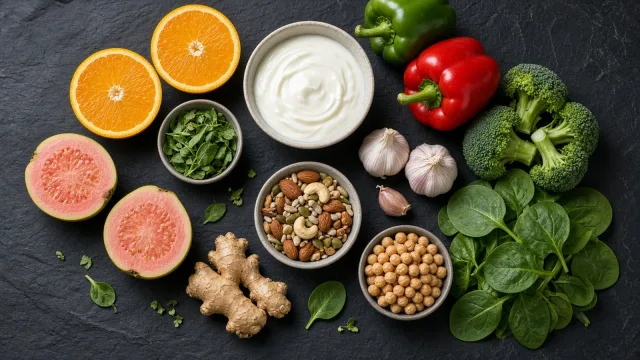
No single "diabetes diet" is required. What works is a pattern built around fibre, vegetables, legumes and minimally processed foods. A simple plate model helps:
| Plate section | What to fill it with | Examples |
|---|---|---|
| Half the plate | Non-starchy vegetables | Leafy greens, beans, okra, cabbage, cauliflower, cucumber, tomato |
| A quarter | Protein | Dal, chana, rajma, eggs, fish, chicken, paneer, tofu, curd |
| A quarter | Whole-grain or high-fibre carbohydrates | Millets (ragi, jowar, bajra), brown or hand-pounded rice, whole-wheat roti, oats |
| On the side | Whole fruit and healthy fats | Guava, apple, orange, berries; nuts, seeds, a modest amount of cooking oil |
Practical swaps that make a difference
- Cut sugary drinks first. Soft drinks, packaged juices and sweetened tea or coffee raise glucose quickly and add calories without filling you up.
- Swap refined grains for whole grains. Moving from white rice and maida to millets, whole-wheat and brown rice increases fibre.
- Watch portions of rice and roti. Even whole grains raise glucose, so try one less roti or a smaller scoop of rice and add more vegetables.
- Eat protein at every meal. It slows digestion and keeps you full. Our guide to how much protein you need explains how much.
- Limit ultra-processed snacks such as biscuits, chips, namkeen and sweets. Keep them as occasional foods.
- Prefer whole fruit to juice. The fibre in whole fruit blunts the sugar spike.
The WHO's healthy-diet guidance recommends limiting free sugars to less than 10% of daily energy, and ideally below 5%, for extra benefit.
Step 4: Sleep, stress and smoking
The NIDDK lists getting enough sleep as part of healthy living for prediabetes. Short or disrupted sleep is linked with poorer glucose control and makes it harder to stick to healthy food choices.
- Most adults need 7–9 hours. See our better sleep habits guide.
- Loud snoring with daytime sleepiness can be a sign of sleep apnoea, which is linked to insulin resistance. Mention it to your doctor.
- Smoking increases the risk of type 2 diabetes, so quitting helps your blood sugar as well as your heart and lungs.
- Long-term stress can disrupt sleep and eating habits. Simple daily routines help; see our everyday stress management guide.
Step 5: Know when medicine has a role
Lifestyle change comes first, but the NIDDK notes that doctors may prescribe metformin for some people with prediabetes. In the DPP, it worked best in younger adults, people with obesity and women with a history of gestational diabetes. Your doctor may also treat related problems such as high blood pressure or high triglycerides, because prediabetes often comes with them. Never start or stop a diabetes medicine on your own.
A simple 12-week starter plan
- Weeks 1–2:
- Get a baseline HbA1c or fasting glucose, plus your weight and waist.
- Stop sugary drinks.
- Walk for 15 minutes after dinner every day.
- Weeks 3–4:
- Build up to 30-minute walks on five days.
- Switch one daily refined-grain meal to millets or whole grains.
- Weeks 5–8:
- Add two short strength sessions a week.
- Use the plate model at lunch and dinner.
- Set a fixed bedtime.
- Weeks 9–12:
- Review your weight and waist, and adjust portions if progress has stalled.
- Plan a repeat test with your doctor. HbA1c reflects about three months, so retesting earlier tells you little.
Frequently asked questions
How long does it take to reverse prediabetes?
It varies. Because HbA1c reflects roughly the past three months, doctors usually recheck it after about three months of consistent change. Some people move back into the normal range within months. For others it takes longer, or the goal becomes keeping levels stable rather than normal.
Can I reverse prediabetes without losing weight?
If you are not overweight, regular activity, better food quality and good sleep can still improve insulin sensitivity. If you do carry extra weight, the DPP evidence shows that losing 5–7% is one of the most effective steps.
Do I have to give up rice or roti completely?
No. Portion size, the type of grain and what you eat with it matter more than cutting out a food completely. Pair smaller portions with plenty of vegetables and protein, and favour whole grains and millets.
Are there supplements or herbs that reverse prediabetes?
No supplement has evidence comparable to lifestyle change or prescribed medicine. Products such as cinnamon, fenugreek or bitter gourd extracts are sometimes promoted, but the evidence is limited and inconsistent. Some can also interact with medicines. Talk to your doctor before trying them.
Does prediabetes always turn into diabetes?
No. Many people stay in the prediabetes range or return to normal, especially with lifestyle changes. Without changes, though, the risk of progressing over 5–10 years is high.
Disclaimer: This article is for general information only and is not medical advice. It does not replace a diagnosis or treatment plan from a qualified professional. Please consult your doctor before changing your diet, exercise, medicines or supplements, and seek urgent care for any warning signs mentioned above.
Related reading on HorizonDesk
- Normal blood sugar levels by age: fasting, after meals and HbA1c
- Start a daily walking habit: a beginner's plan that sticks
- How much protein do you need?
Sources
- NIDDK (NIH): Insulin Resistance & Prediabetes
- Diabetes Prevention Program Research Group, New England Journal of Medicine: Reduction in the incidence of type 2 diabetes with lifestyle intervention or metformin
- Anjana RM et al., Lancet Diabetes & Endocrinology: ICMR-INDIAB national cross-sectional study
- World Health Organization: Physical activity fact sheet
- World Health Organization: Healthy diet fact sheet
- World Health Organization: Diabetes fact sheet