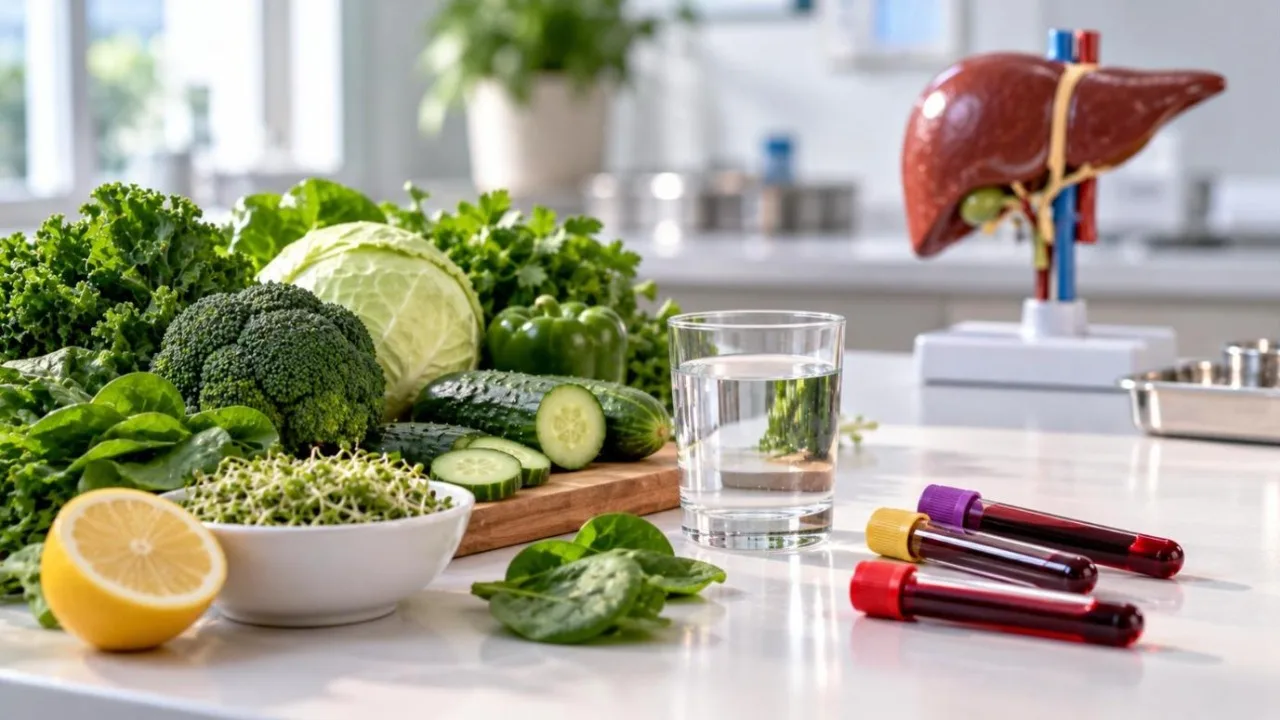
The liver quietly handles hundreds of jobs, from processing food and medicines to making proteins and clearing toxins. A liver function test (LFT) is a group of blood tests that shows whether the liver is inflamed, damaged or struggling to do its work.
What an LFT includes
| Test | Typical adult range | What it shows |
|---|---|---|
| ALT (SGPT) | about 7 – 45 U/L | Liver cell injury |
| AST (SGOT) | about 10 – 40 U/L | Liver (and muscle) injury |
| ALP (alkaline phosphatase) | about 44 – 147 U/L | Bile flow problems, bone conditions |
| GGT | about 9 – 48 U/L | Bile duct issues, alcohol use |
| Total bilirubin | 0.1 – 1.2 mg/dL | Jaundice, bile flow |
| Direct bilirubin | 0 – 0.3 mg/dL | Blockage or liver disease |
| Albumin | 3.5 – 5.0 g/dL | Liver's ability to make protein |
| Total protein | 6.0 – 8.3 g/dL | Overall protein status |
Ranges vary noticeably between labs, especially for ALT and AST.
Raised SGPT and SGOT
These enzymes leak into the blood when liver cells are irritated or damaged. Common causes include:
- Fatty liver, now called metabolic dysfunction-associated steatotic liver disease (MASLD), linked to excess weight, diabetes and high triglycerides
- Alcohol use
- Viral hepatitis such as hepatitis A, B, C or E
- Certain medicines, including some painkillers, antibiotics and herbal supplements
- Recent intense exercise, which can raise AST from muscles
An AST level about twice the ALT level or more can point towards alcohol-related liver injury, but doctors interpret this pattern alongside other tests.
Bilirubin and jaundice
Bilirubin is a yellow pigment made when old red blood cells break down. High levels cause yellow eyes and skin. Mildly raised indirect bilirubin is often due to Gilbert's syndrome, a harmless inherited condition, while high direct bilirubin suggests liver disease or a blocked bile duct.
Albumin: a sign of long-term function
Low albumin can indicate long-standing liver disease, but also poor nutrition, kidney protein loss or chronic illness.
Fatty liver: India's silent epidemic
Studies suggest a large share of Indian adults, including many who are not obese, have fatty liver. It usually causes no symptoms, and the first clue is often a mildly raised SGPT or an ultrasound finding. The good news is that it is often reversible:
- Losing even 5 to 10% of body weight can reduce liver fat significantly.
- Cut sugar, sweetened drinks and refined carbohydrates.
- Exercise regularly.
- Avoid or limit alcohol.
- Control diabetes and cholesterol.
When to see a doctor
See a doctor if your enzymes are more than slightly raised, stay high on repeat tests, or you have jaundice, dark urine, pale stools, abdominal swelling or unexplained tiredness. Avoid self-medicating with "liver tonics" without advice.
Lab Tests Explained: the full series
- Part 1: CBC (Complete Blood Count)
- Part 2: Lipid Profile
- Part 3: Liver Function Test (you are here)
- Part 4: Kidney Function Test
- Part 5: Urine Routine Test
- Part 6: Iron Studies and Ferritin
- Part 7: Vitamin B12
- Part 8: Full-Body Checkup by Age
Related reads: Blood sugar levels and HbA1c · Thyroid tests · Vitamin D test · Uric acid
Disclaimer: This article is for general information only and is not medical advice. Reference ranges vary between laboratories, so always read your report against the range printed on it and discuss results with a qualified doctor.