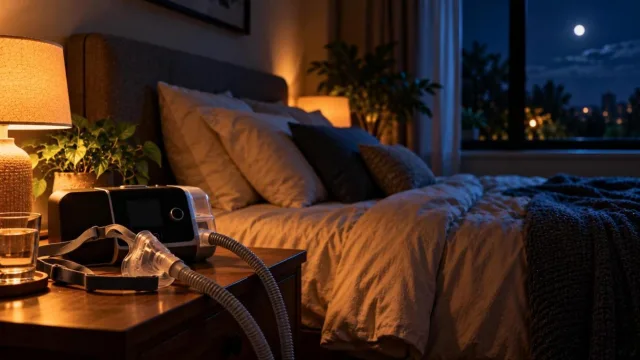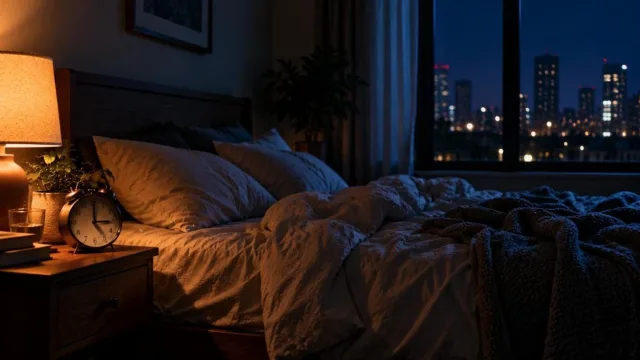
Many people can improve their sleep without medication by adjusting daily habits and their sleep environment. These habits are often called "sleep hygiene". In Part 3 of Sleep Science, we share practical tips based on research and guidance from sleep experts.
1. Keep a regular schedule
Going to bed and, especially, getting up at roughly the same time every day helps keep your body clock steady. Try to keep weekends within an hour or so of your weekday schedule.
2. Get morning light
Light is the strongest signal for your body clock (see Part 1). Getting natural daylight soon after waking, for example by opening curtains or taking a short walk outside, helps you feel alert in the morning and sleepy at night.
3. Make your bedroom sleep-friendly
- Cool: many people sleep best in a slightly cool room. Often-cited guidance suggests around 16 to 19°C (60 to 67°F), but comfort varies.
- Dark: use curtains, blinds or an eye mask to block light.
- Quiet: earplugs or a steady background noise such as a fan can mask disturbing sounds.
- Comfortable: a supportive mattress and pillow suited to your sleeping position.
4. Use your bed for sleep
Try to keep your bed mainly for sleep and intimacy, rather than for working, scrolling or watching TV. This helps your brain link the bed with sleep.
5. Build a wind-down routine
About 30 to 60 minutes before bed, start slowing down. Ideas include:
- Dimming the lights.
- Reading a paper book.
- Taking a warm shower or bath.
- Gentle stretching or breathing exercises.
- Writing down worries or a to-do list for tomorrow.
For a simple routine designed for busy families, see our guide to a sleep routine that works for busy households.
6. Watch what you consume
Caffeine, alcohol, heavy meals and nicotine can all disrupt sleep. We explore these in detail in Part 4.
7. Be active, at the right time
Regular physical activity is linked to better sleep. For most people, exercise at any time of day is fine, but some find intense workouts very close to bedtime make it harder to fall asleep.
8. Be careful with naps
Short naps can help, but long or late-afternoon naps can make it harder to sleep at night. Part 8 explains how to nap well.
9. If you cannot sleep, get up
If you have been lying awake for what feels like about 20 minutes, get up, go to another dimly lit room and do something calm until you feel sleepy. Then return to bed. Lying in bed frustrated can train your brain to associate the bed with wakefulness.
10. Do not watch the clock
Checking the time repeatedly during the night can increase anxiety. Turn the clock away from you.
When habits are not enough
Sleep hygiene is helpful but is not a cure for every sleep problem. If you have trouble sleeping on most nights for several weeks, or very loud snoring, gasping or extreme daytime sleepiness, speak to a doctor. Parts 6 and 7 cover insomnia and sleep apnoea.
In Part 4, we look at how caffeine, alcohol and food affect your sleep.
Sleep Science: the full series
- Part 1: How Sleep Works
- Part 2: How Much Sleep You Need
- Part 3: Better Sleep Habits (you are here)
- Part 4: Caffeine, Alcohol and Food
- Part 5: Screens, Light and Melatonin
- Part 6: Insomnia
- Part 7: Snoring and Sleep Apnoea
- Part 8: Naps, Shift Work and Jet Lag
This article is for general information only and is not medical advice. If you have ongoing sleep problems, loud snoring, breathing pauses or daytime sleepiness, please speak to a doctor.