This is Part 12 of the Car & Bike Owner's Guide, our 20-part series on owning, running and staying legal with a vehicle in India. New here? Start with Part 1: Choosing Your First Car, or read the previous part, Part 11: Two-Wheeler Insurance.
Insurance only proves its worth when you claim. Most claim problems come from missing documents, late reporting or repairs started before the insurer's inspection. Follow these steps.
Right after the incident
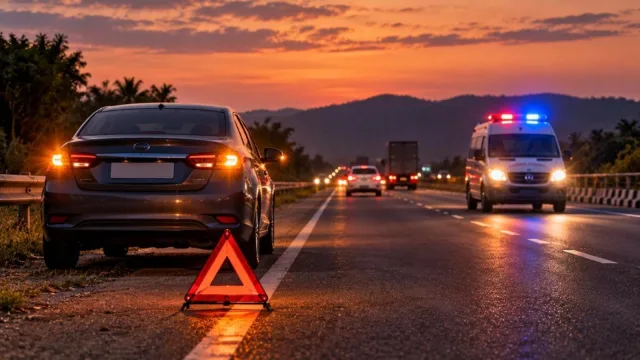
- Safety first. Get everyone out of danger and call for medical help if anyone is hurt. See Part 20: After a Road Accident.
- Take photos and video of the vehicles, number plates, damage, road and surroundings.
- Note details of the other vehicle, driver and any witnesses.
- Inform your insurer quickly through its app, website or helpline. Policies usually specify a time limit, so do not wait.
When you need an FIR
- Theft of the vehicle.
- Accidents involving injury or death.
- Damage caused to third-party property, or a dispute with the other party.
- Vandalism or riots.
For minor own-damage with no one else involved, most insurers do not require an FIR.
Cashless or reimbursement?
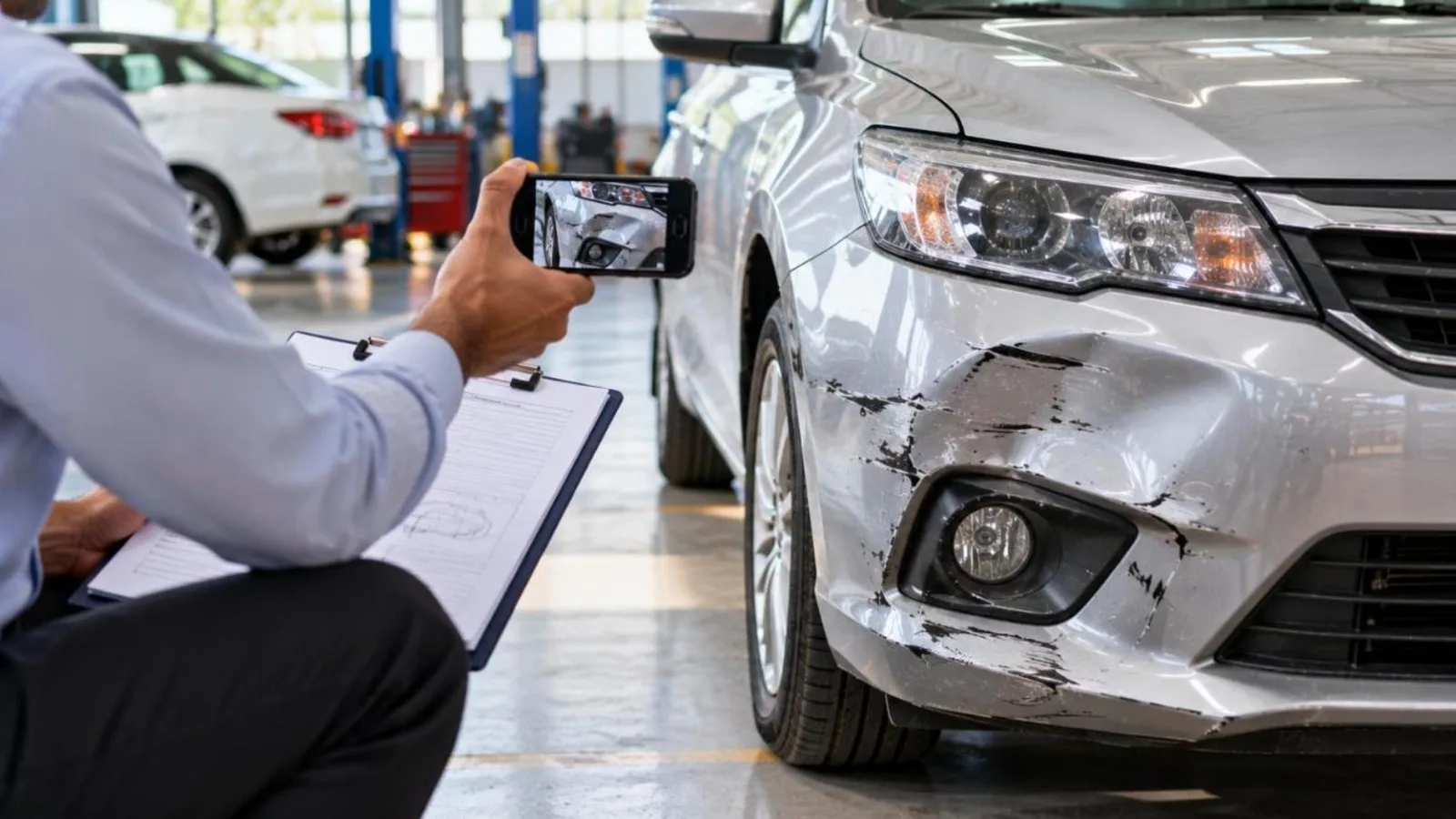
- Cashless: Take the vehicle to one of the insurer's network garages. After the surveyor approves the estimate, the insurer pays the garage directly. You pay only the deductible and anything not covered.
- Reimbursement: Repair at any garage, pay the bill yourself, then submit invoices for repayment.
In both cases, do not start repairs until the surveyor has inspected the damage, unless your insurer allows it.
Documents you will need
- Claim form, policy copy, RC and the driver's licence.
- FIR, where required.
- Repair estimate, final bills and payment receipts.
- Bank details for reimbursement.
If your vehicle is stolen
- File an FIR immediately and inform your insurer and RTO.
- Submit both sets of keys, the RC and other documents to the insurer.
- If the police cannot trace the vehicle, they issue a non-traceable report, after which the insurer settles the claim, usually at the IDV.
What reduces your payout
- A compulsory deductible that you pay on every own-damage claim.
- Depreciation on replaced parts, unless you have zero depreciation cover. See Part 10: Car Insurance Add-ons and NCB.
- Driving without a valid licence, or under the influence, can lead to rejection.
If the claim goes wrong
Complain first to the insurer's grievance officer. If that does not resolve it, use the IRDAI Bima Bharosa grievance portal, or approach the Insurance Ombudsman.
Rules, fees and fines here reflect central rules as of October 2026. States can set their own procedures and compounding amounts, and rules change, so check the Parivahan portal, your state transport department or your RTO before acting.
Next in the series: Part 13: Bharat NCAP Ratings.