This is Part 10 of the Car & Bike Owner's Guide, our 20-part series on owning, running and staying legal with a vehicle in India. New here? Start with Part 1: Choosing Your First Car, or read the previous part, Part 9: Traffic Fines and E-Challans.
A comprehensive car insurance policy covers damage to your car as well as your liability to others. If you are unsure of the difference, start with our plain-English guide to comprehensive vs third-party insurance. This part covers the extras that change what you get paid when you claim.
The long-term cover on new cars
New cars must be sold with three years of third-party cover, and new two-wheelers with five years. The own-damage part can be bought for one year and renewed separately, so you can shop around for it every year.
Popular add-ons
- Zero depreciation (bumper to bumper): Pays the full cost of replaced plastic, rubber and metal parts without deducting depreciation. Valuable for new cars, usually available for the first few years.
- Engine protection: Covers engine damage from water entering the engine (hydrostatic lock) or oil leaks, which basic policies exclude. Useful in flood-prone cities. See our monsoon driving guide.
- Return to invoice: If the car is stolen or written off, pays the invoice value, including registration and road tax, instead of the depreciated insured value.
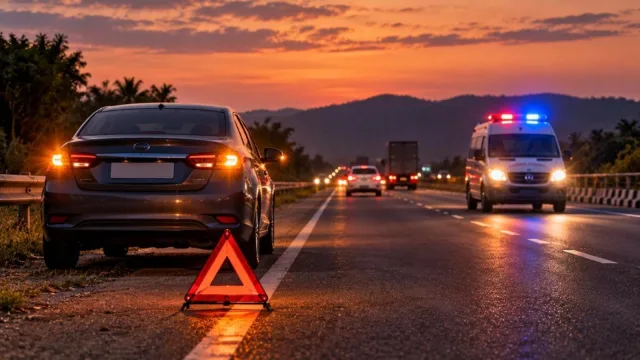
- Roadside assistance: Towing, battery jump-starts, flat tyre help and fuel delivery.
- Consumables cover: Pays for oil, coolant, nuts, bolts and similar items used in repairs.
- Key replacement, tyre protection and personal belongings cover are also offered by many insurers.
How the No Claim Bonus works
For every year you do not make a claim, you earn a No Claim Bonus (NCB), a discount on the own-damage premium:
- 20 percent after one claim-free year.
- 25 percent after two, 35 percent after three, 45 percent after four.
- 50 percent after five or more consecutive claim-free years.
- NCB belongs to you, not the car, so it can be transferred to your next vehicle.
- It is usually lost if you renew more than 90 days after the policy expires.
- A single claim normally resets it to zero, unless you buy an NCB protector add-on.
Should you claim for small damage?
Compare the repair cost with the NCB discount you would lose over the next few renewals. For minor scratches, paying yourself can work out cheaper. Claim steps are covered in Part 12: Making an Insurance Claim.
Rules, fees and fines here reflect central rules as of October 2026. States can set their own procedures and compounding amounts, and rules change, so check the Parivahan portal, your state transport department or your RTO before acting.
Next in the series: Part 11: Two-Wheeler Insurance.