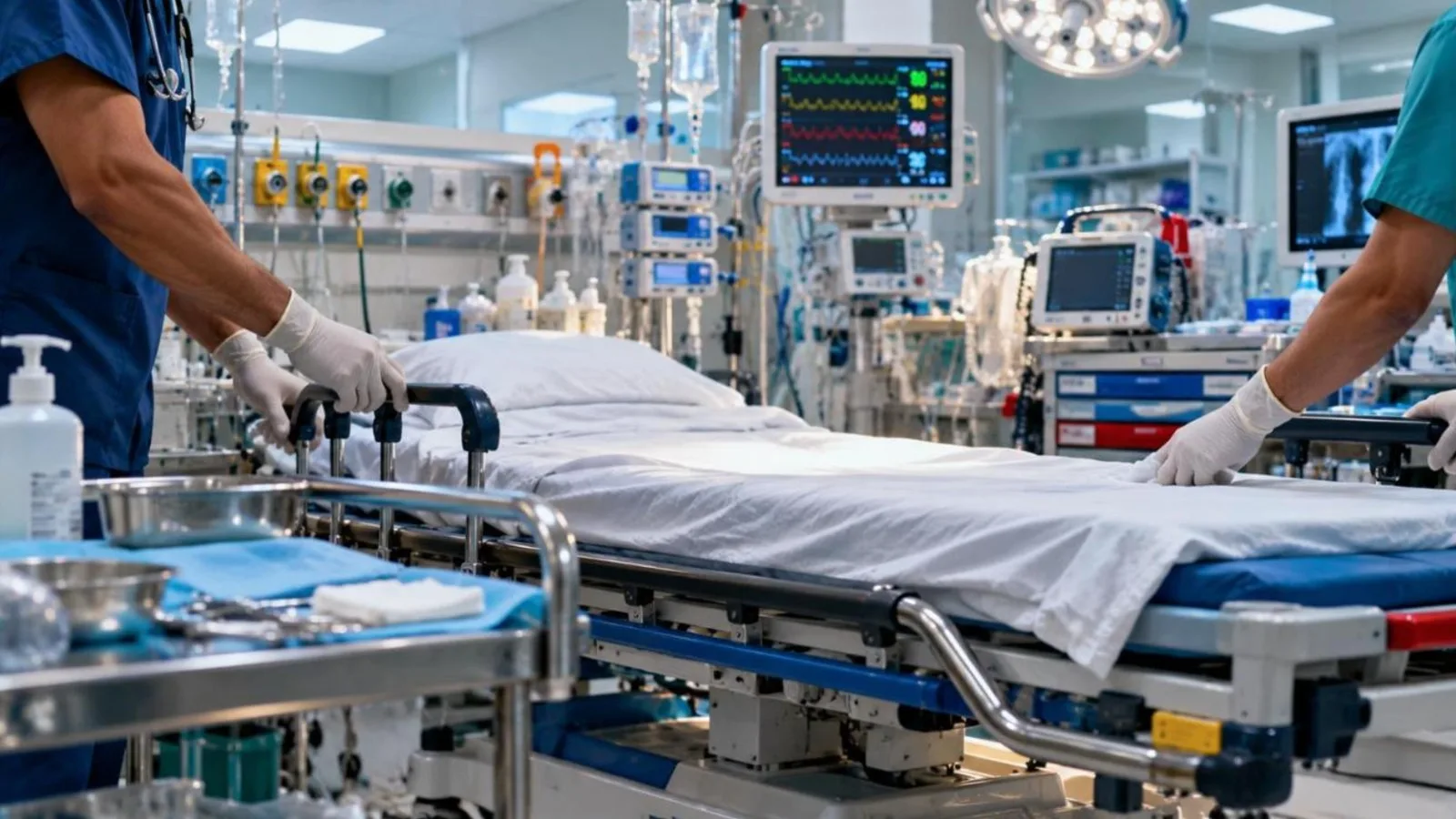
17 October is World Trauma Day, a reminder that injuries, from road crashes and falls to burns and workplace accidents, are among the leading causes of death and disability in India, especially among young people. Road crashes alone kill around 1.7 lakh Indians every year.
The good news is that many of these deaths are preventable, both by avoiding injuries in the first place and by acting quickly when they happen.
What is the "golden hour"?
The first hour after a serious injury is often called the golden hour. Getting a badly injured person to proper medical care within this window greatly improves their chances of survival. Bystanders, not doctors, are usually the first people on the scene.
First steps at any emergency
- Make sure the scene is safe for you before you approach.
- Call for help: 112 for the national emergency number, or 108 for an ambulance in most states.
- Check responsiveness and breathing. If the person is not breathing normally, start chest compressions if you are trained, or follow the dispatcher's instructions.
Simple first aid that makes a difference
- Heavy bleeding: Press firmly on the wound with a clean cloth and keep pressing. Do not keep lifting it to look.
- Suspected neck or spine injury: Do not move the person unless they are in danger. Keep the head and neck still.
- Helmets: Do not remove a rider's helmet unless it is blocking their breathing.
- Burns: Cool the area under cool running water for about 20 minutes. Do not apply ice, toothpaste or butter.
- Fractures: Support the injured limb in the position you find it, and do not try to straighten it.
- Shock: Keep the person warm and lying down, and reassure them.
You are protected when you help
India's Good Samaritan provisions protect people who help accident victims in good faith. Helpers cannot be forced to be witnesses or to pay hospital charges. The government's Rahveer scheme also rewards people who take seriously injured victims to hospital within the golden hour.
Cashless treatment for road accident victims
Under the Cashless Treatment of Road Accident Victims Scheme, victims can receive treatment worth up to ₹1.5 lakh for up to seven days at designated hospitals. Full details are in our guide on what to do after a road accident.
Preventing injuries in the first place
- Wear helmets and seat belts on every trip, including rear seats. See child safety in vehicles.
- Do not drink and drive, or use a phone while driving.
- Fall-proof homes for elderly relatives with grab bars, good lighting and non-slip mats.
- Be careful with firecrackers and diyas this Diwali season.
Learn first aid
A few hours of training in basic first aid and CPR, offered by organisations such as the Red Cross and many hospitals, can turn you from a bystander into a life-saver.
This article is for general awareness and is not a substitute for professional medical training or advice.