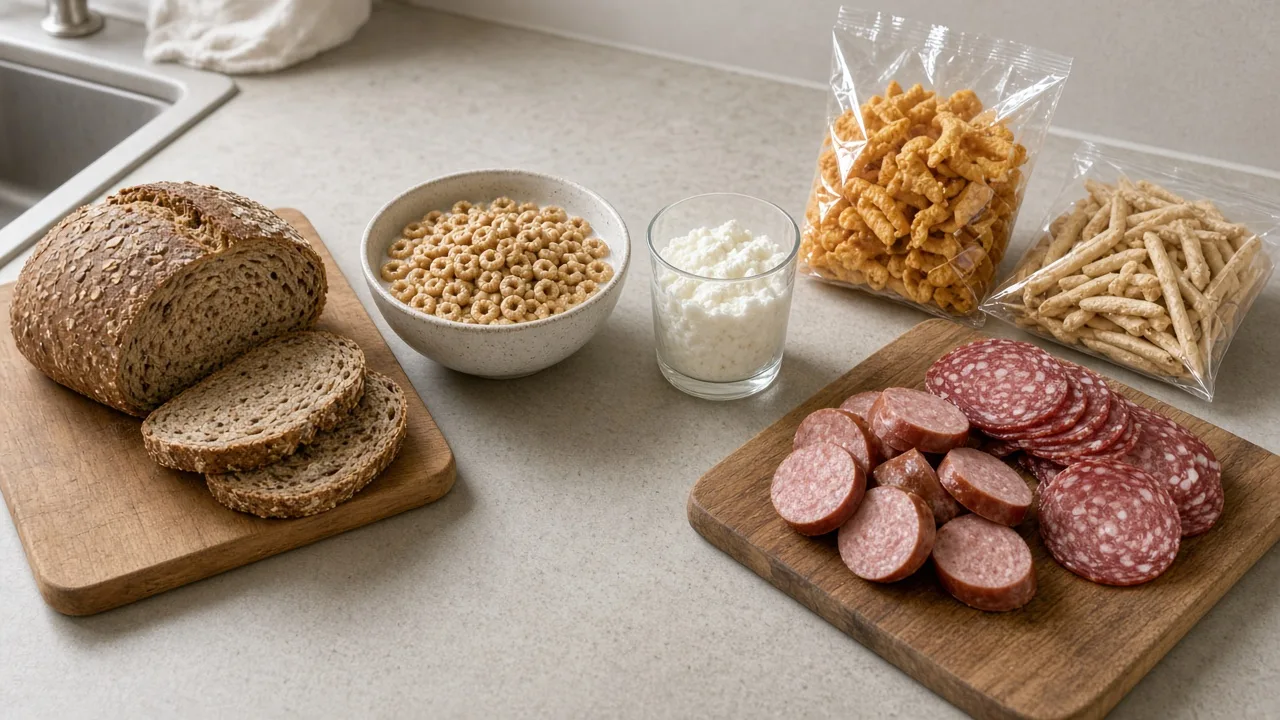
A large US study published on 15 October 2026 has found that people who ate more ultra-processed food did not have a higher risk of colorectal (bowel) cancer. The research, which followed more than 460,000 older adults for up to about two decades, adds an important twist to one of the most debated topics in nutrition.
But the findings come with a clear caveat. Within the broad "ultra-processed" label, some foods were linked to higher risk, especially processed meat, while others, such as wholegrain bread and breakfast cereals, were linked to lower risk.
Here is what the study found, what it does not show, and what it means for your plate.
What the researchers did
The study, published in the journal PLOS Medicine, was led by scientists at the US National Cancer Institute. It used data from the NIH-AARP Diet and Health Study, which recruited Americans aged 50 to 71 in 1995-96.
Key details:
- Participants: 461,682 adults who were cancer-free at the start
- Follow-up: cancer cases tracked through 2018, with a median follow-up of 18.8 years
- Cancer cases: 10,075 people were diagnosed with colorectal cancer during that time
- Diet: measured once, at the start, using a food frequency questionnaire covering 124 foods and drinks
The researchers classified foods using the Nova system, which groups foods by how processed they are. Ultra-processed foods (Nova group 4) are industrial products typically made with ingredients and additives not used in home cooking, such as packaged snacks, sugary drinks, processed meats, many breads and breakfast cereals.
On average, ultra-processed foods made up 43% of participants' daily calories.
The main finding
After adjusting for age, sex, smoking, alcohol, physical activity, education and other factors, the people who ate the most ultra-processed food had no higher risk of colorectal cancer than those who ate the least.
In technical terms, the hazard ratio comparing the top fifth of intake with the bottom fifth was 0.97, with a 95% confidence interval of 0.91 to 1.03. A value of 1 means no difference, and this range sits on both sides of it.
The result held when the team looked separately at cancers of the upper colon, lower colon and rectum, and when they adjusted for overall diet quality or body weight.
Not all ultra-processed foods are equal
The more revealing results came when researchers broke ultra-processed food into types.
Linked to lower risk: - Bread (hazard ratio 0.91 for highest vs lowest intake) - Breakfast cereals (0.84) - Frozen desserts and milk drinks (0.82)
Linked to higher risk: - Reconstituted meat and fish products, such as processed meats (1.10)
The authors explain that, in this group of Americans, ultra-processed foods were a major source of nutrients known to protect against bowel cancer. About 83% of whole grain intake, a third of fibre intake and nearly a third of calcium came from ultra-processed sources. At the same time, about 74% of processed meat intake did too.
In other words, the protective and harmful parts may have cancelled each other out in the overall figure.
The study also found that swapping 10% of the weight of ultra-processed food in the diet for minimally processed food was linked to a 2% lower risk of colorectal cancer, a small but measurable difference.
Important limitations
The authors are careful to point out the weaknesses of their study:
- It is observational. It shows associations, not cause and effect.
- Diet was measured only once, in the mid-1990s. People's eating habits, and the food supply, have changed a lot since then.
- The questionnaire was not designed to measure processing, so some foods may have been misclassified.
- Participants were older and mostly white Americans, so the results may not apply to younger people or to other countries, including India.
- Food additives were not measured. Some lab studies suggest that additives such as emulsifiers may harm gut health.
Previous research has been mixed. The authors note that some studies in the US and Europe found links between ultra-processed food and bowel cancer in men or women, while others, including UK Biobank, found none.
According to NBC News, the findings raise new questions about what role, if any, these foods play in rising rates of colorectal cancer among younger people. The study's older participants cannot answer that question directly.
What this means for your diet
The study does not give ultra-processed food a clean bill of health. The authors say their results "support current dietary guidance to consume whole grains, fiber, dairy, and calcium and avoid processed meat" for bowel cancer prevention. They also note that poor overall diet quality is a known risk factor and that diets limiting added sugar, salt, saturated fat and refined grains are linked to lower risk of death from chronic disease.
Practical takeaways:
- Cut back on processed meats such as sausages, salami, ham and bacon. This finding is consistent with long-standing advice.
- Choose whole grains and fibre. Wholegrain breads, millets, dals, vegetables and fruit all count.
- Include dairy or other calcium sources, such as curd, milk and paneer.
- Read labels, not just categories. A wholegrain bread and a sugary packaged snack are both "ultra-processed," but they are very different foods.
For Indian households, the simplest approach remains a varied, home-cooked plate. Our guide to building a balanced Indian thali shows how to get whole grains, protein, dairy and vegetables into everyday meals, and our piece on better digestion habits covers fibre and gut health.
Know the warning signs
Diet is only one part of bowel cancer risk. Age, family history, smoking, alcohol and obesity also matter. See a doctor if you notice lasting changes in bowel habits, blood in your stool, unexplained weight loss or persistent abdominal pain. Screening advice varies by country and personal risk, so ask your doctor what is right for you. For more on spotting cancer early, see our breast cancer awareness guide, which explains why early detection matters.