A stroke can strike suddenly, at any age, and the first few hours often decide how much a person recovers. Yet many people do not recognise the signs or wait to see if they pass. Ahead of World Stroke Day on 29 October, when the World Stroke Organization's 2026 campaign urges people to know the signs and #ActFAST, here is what everyone should know.
How common is stroke?
According to the World Stroke Organization (WSO):
- 1 in 4 adults over the age of 25 will have a stroke in their lifetime.
- More than 12 million people worldwide will have their first stroke this year, and 6.5 million will die as a result.
- More than 100 million people alive today have experienced a stroke.
- Stroke is not only a disease of old age: over 60% of strokes happen to people under 70, and 16% to people under 50.
WSO also says stroke rates are growing fastest in low- and middle-income countries, where providing prevention, treatment and rehabilitation can be more difficult.
What is a stroke?
A stroke happens when the blood supply to part of the brain is cut off. Most strokes are caused by a blocked artery, often by a blood clot. Others happen when a blood vessel in or around the brain bursts and bleeds. In both cases, brain cells start to die without oxygen, which is why speed is so important.
Spot a stroke FAST
The easiest way to remember the main symptoms is the word FAST, used by health services such as the UK's NHS:
- F – Face: one side of the face may droop, and the person may be unable to smile evenly.
- A – Arms: the person may not be able to lift both arms and keep them there because of weakness or numbness in one arm.
- S – Speech: speech may be slurred or garbled, or the person may seem confused or unable to talk.
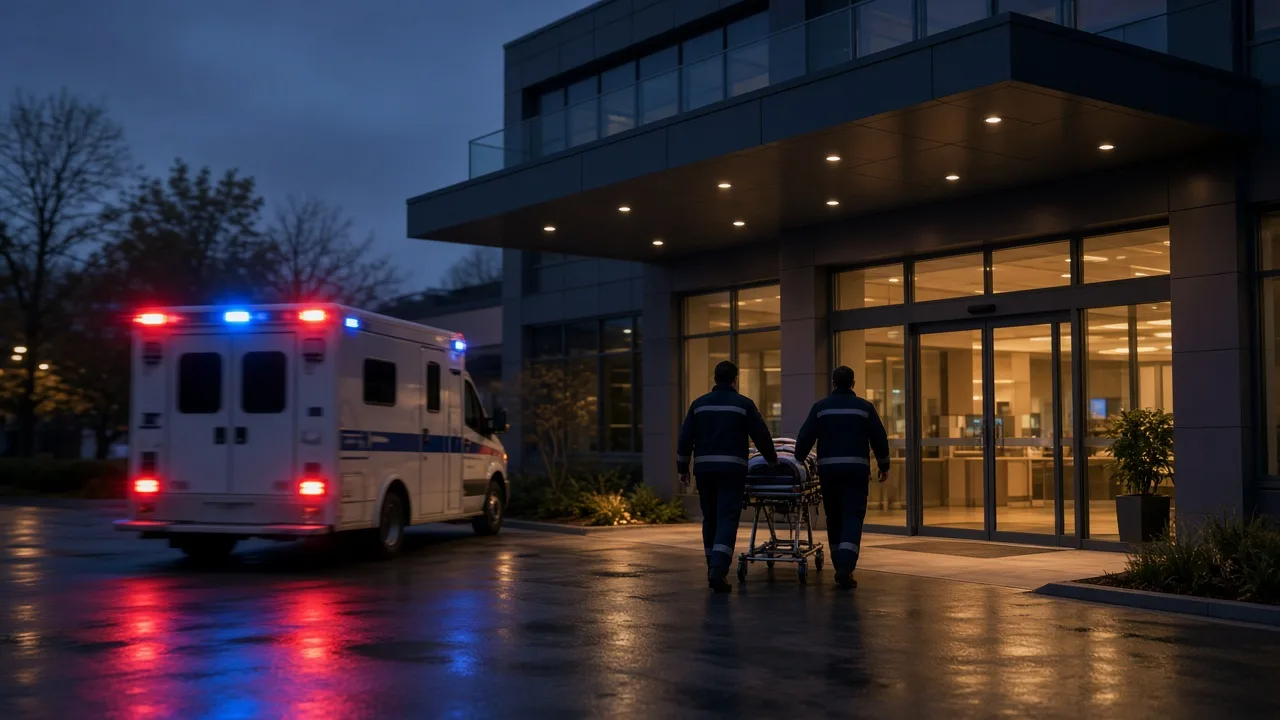
- T – Time: it is time to call an ambulance immediately if you see any of these signs.
In India, 108 is the emergency ambulance number in most states, and 112 is the national emergency number.
Other symptoms
Stroke does not always look like FAST. The NHS lists other possible signs, which can come on suddenly:
- weakness or numbness down one side of the body
- blurred vision or loss of sight in one or both eyes
- difficulty speaking or finding words
- confusion and memory loss
- dizziness or falling over
- a sudden, severe headache
- feeling or being sick
When symptoms go away: a "mini stroke"
Sometimes stroke symptoms stop after a few minutes or hours. This may be a transient ischaemic attack (TIA), often called a mini stroke, caused by a temporary disruption in blood supply to the brain. The NHS says that in the early stages, it is not possible to tell whether someone is having a TIA or a full stroke.
A TIA is a warning sign and still needs urgent medical assessment, even if the person feels completely normal again. The NHS says a TIA is a warning sign that you may be at risk of a full stroke in the near future.
What to do while waiting for help
- Call for an ambulance straight away. Do not wait to see if symptoms improve.
- Do not drive yourself to hospital if you have symptoms. The NHS specifically advises against it.
- Do not give food, drink or medicines, including aspirin. Australia's Stroke Foundation explains that not all strokes are caused by clots: some are caused by bleeding, and aspirin could make these worse.
- Stay with the person, keep them comfortable and reassure them.
- Note when symptoms started, or when the person was last seen well, and tell the ambulance crew.
Why every minute counts
Hospital treatment depends on the type of stroke. According to the NHS, in the first 24 hours it may include medicine to dissolve blood clots in the brain (thrombolysis), a procedure to remove a clot (thrombectomy), or treatment to relieve bleeding or pressure in the brain. Several of these treatments can only be given within a limited time window after symptoms begin, so getting to hospital quickly can make a big difference to recovery.
After a stroke, people may need long-term medicines, for example to prevent clots, lower blood pressure or reduce cholesterol, as well as rehabilitation to rebuild movement, speech and daily skills.
Lowering your risk
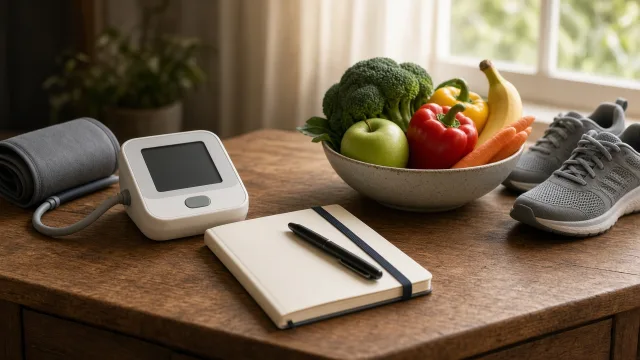
Many strokes can be prevented. High blood pressure is one of the most important causes, and WHO says it can burst or block arteries supplying the brain. To lower your risk:
- Check your blood pressure regularly and follow your doctor's advice if it is high.
- Manage diabetes and cholesterol with your doctor.
- Quit tobacco and limit alcohol.
- Eat a healthy diet with more vegetables and fruit and less salt.
- Stay active and maintain a healthy weight.
- Take prescribed medicines as directed and never stop them without medical advice.
FAQ
Can young people have a stroke? Yes. WSO says 16% of strokes happen to people under 50.
What if the symptoms disappear? Get medical help straight away anyway. It may have been a TIA, which is a warning sign of a possible future stroke.
Should I give aspirin to someone having a stroke? No, not unless a medical professional tells you to. Some strokes are caused by bleeding, which aspirin could worsen.
What does FAST stand for? Face, Arms, Speech, Time.
Sources
- World Stroke Organization: Impact of stroke
- World Stroke Organization: World Stroke Day 2026
- NHS: Stroke symptoms
- NHS: Stroke treatment
- NHS: Transient ischaemic attack (TIA)
- Stroke Foundation (Australia): What to do while you wait for an ambulance
- National Health Mission: Emergency response and patient transport (Dial 108/102)
- Ministry of Home Affairs: Emergency Response Support System (112)
- WHO fact sheet: Hypertension