High blood pressure is often called a "silent" condition. Most people who have it feel perfectly well, yet over years it strains the heart, brain, kidneys and blood vessels. The good news is that it is easy to check and can often be brought under control. Here is what your readings mean and what you can do.
How common is it?
According to the World Health Organization, an estimated 1.4 billion adults aged 30–79 had hypertension in 2024, about a third of all adults in that age group. Two-thirds of them live in low- and middle-income countries.
Perhaps the most striking figure is how many people do not know. WHO estimates that around 600 million adults with hypertension (44%) are unaware of their condition, and only about 320 million (23%) have it under control.
What do the two numbers mean?
Blood pressure is written as two numbers, for example 120/80 mmHg:
- The first (systolic) number is the pressure in your blood vessels when your heart beats.
- The second (diastolic) number is the pressure when your heart rests between beats.
WHO says hypertension is diagnosed when readings taken on two different days show a systolic pressure of 140 mmHg or higher and/or a diastolic pressure of 90 mmHg or higher. A single high reading, for example after rushing to an appointment, is not enough for a diagnosis.
Your doctor will tell you what target is right for you. WHO notes that for most people the goal is below 140/90, while for people with heart disease, stroke, diabetes, chronic kidney disease or high cardiovascular risk, a lower target of below 130/80 is often recommended.
Why it matters
Uncontrolled high blood pressure can damage the body in several ways. WHO says it can:
- harden arteries and reduce blood flow to the heart, causing chest pain (angina) and heart attacks
- lead to heart failure and irregular heartbeats
- burst or block arteries supplying the brain, causing a stroke
- damage the kidneys, sometimes leading to kidney failure
Treating it lowers these risks.
What raises your risk?
Some risk factors cannot be changed, such as older age, genetics and family history, and having other conditions like diabetes or kidney disease. Many others can. WHO lists:
- a diet high in salt, saturated fat and trans fats, and low in fruit and vegetables
- physical inactivity
- tobacco use and drinking too much alcohol
- being overweight or obese
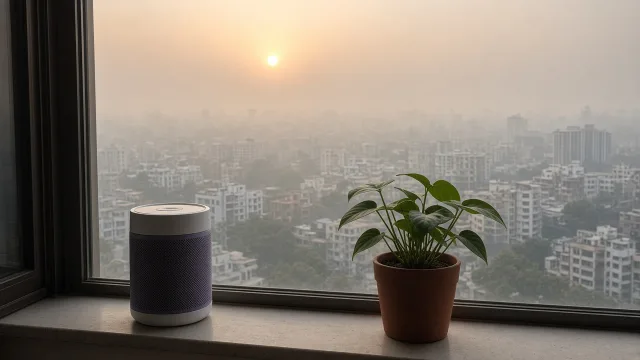
WHO also notes that air pollution is the most significant environmental risk factor for hypertension and related diseases.
Symptoms: usually none
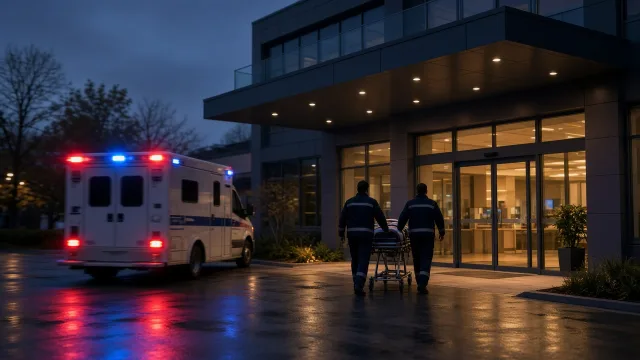
Most people with high blood pressure have no symptoms at all, which is why checking is so important. However, very high blood pressure, usually around 180/120 or higher, can cause severe headaches, chest pain, dizziness, difficulty breathing, nausea, vomiting, blurred vision, confusion, nosebleeds or an abnormal heart rhythm.
If you have any of these symptoms along with a high reading, seek medical care immediately.
Get checked regularly
The only way to know your blood pressure is to measure it. In India, the national programme for non-communicable diseases offers blood pressure screening once a year for adults aged 30 and above at government health facilities. Many pharmacies and clinics also offer quick checks.
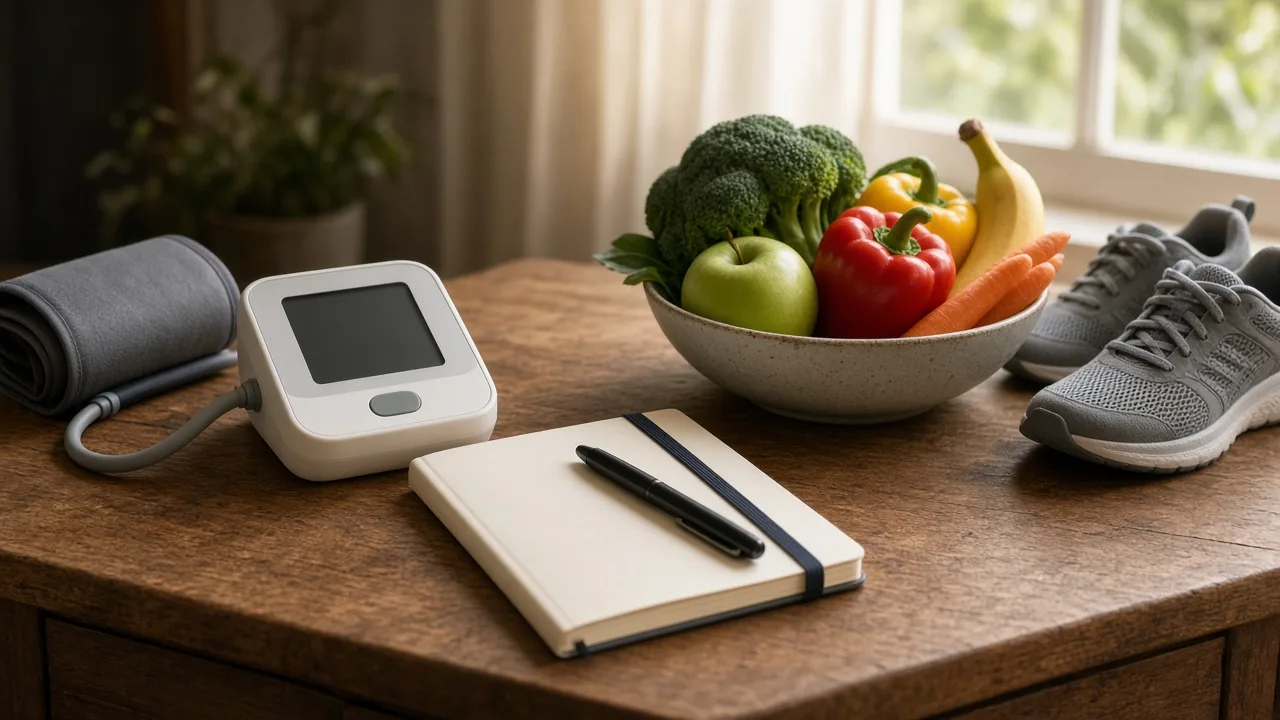
Home blood pressure monitors can help you and your doctor track readings, but WHO stresses that an evaluation by a health professional is still important. If you measure at home:
- follow the instructions for your machine, and ask your doctor or pharmacist to check your technique
- sit and rest quietly for a few minutes first, with your arm supported
- take a reading, note it down, wait a minute and take a second one
- measure at the times your doctor suggests, often morning and evening, and keep a record to show them
The UK's NHS notes that home readings are usually considered high at a slightly lower level, 135/85 or higher, than readings taken in a clinic.
Everyday ways to lower blood pressure
Lifestyle changes help everyone with high blood pressure and can help prevent it. Based on WHO advice:
- Cut down on salt. WHO recommends adults consume less than 2,000 mg of sodium a day, equivalent to under 5 g of salt, or about a teaspoon. In many Indian diets, a lot of salt can come from pickles, papads, namkeen, packaged snacks, sauces and restaurant food, not just the salt shaker.
- Eat more vegetables and fruit, and limit foods high in saturated and trans fats.
- Move more. Aim for at least 150 minutes a week of moderate-intensity activity, such as brisk walking, or 75 minutes of vigorous activity, plus strength exercises on two or more days a week. Sit less.
- Lose weight if you are overweight.
- Quit tobacco in all forms.
- Limit alcohol.
- Manage stress and get enough sleep.
Many people will still need medicines, and that is not a failure. If your doctor prescribes treatment, take it as directed, keep follow-up appointments and do not stop, change or share medicines without medical advice, even if you feel fine.
FAQ
What is a normal blood pressure? Your doctor will interpret your readings, but WHO defines hypertension as 140/90 mmHg or higher on two different days.
Can I stop my medicine once my blood pressure is normal? Not without your doctor's advice. Normal readings often mean the treatment is working.
Does high blood pressure always cause headaches? No. Most people have no symptoms. Very high pressure can cause headaches and other symptoms that need urgent care.
How often should I get checked? India's NCD programme screens adults aged 30 and above once a year. Your doctor may advise more frequent checks.