
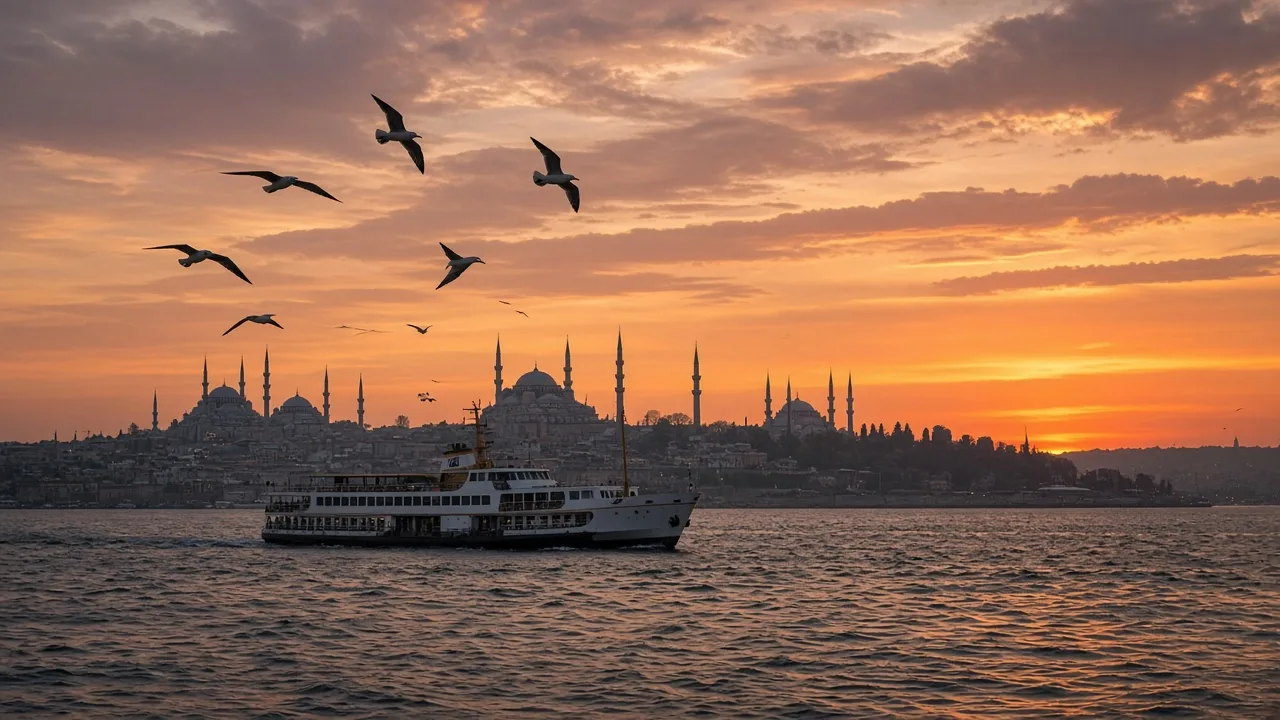
Istanbul straddles the Bosphorus between Europe and Asia and was the capital of both the Byzantine and Ottoman empires. Its skyline of domes and minarets, its bazaars and its ferry-laced waterways make it one of the world's great city breaks. The historic peninsula is a UNESCO World Heritage site, but modern Istanbul, with its cafés, galleries and food scene, is just as compelling.
Why go
Istanbul offers 2,000 years of history in walking distance: Hagia Sophia, the Blue Mosque, Topkapı Palace and the Basilica Cistern are all within a few hundred metres of each other. Beyond Sultanahmet, you can cross continents on a public ferry for the price of a bus fare, eat your way through Kadıköy's market streets and watch the sun set behind the Süleymaniye Mosque.
Best time to visit
- Spring (April to May): mild weather and the April tulip festival in parks across the city.
- Autumn (September to November): warm days and clear light, ideal for walking and Bosphorus cruises.
- Summer (June to August): hot, humid and busy, with long evenings on the water.
- Winter (December to February): cool and often rainy, with occasional snow. Winter 2026-27 brings shorter queues at the big monuments and lower hotel rates. It is a great time for hammams, museums and steaming bowls of lentil soup.
Top things to do
- Hagia Sophia: the sixth-century Byzantine masterpiece, now a functioning mosque. Foreign visitors pay an entry fee for the tourist route and should dress modestly.
- Blue Mosque (Sultan Ahmed Mosque): free to enter outside prayer times. Head coverings are required for women, and modest dress for everyone.
- Topkapı Palace: the Ottoman sultans' palace, with the Harem, the treasury and views over the Bosphorus.
- Basilica Cistern: an atmospheric underground Byzantine reservoir.
- Grand Bazaar and Spice Bazaar: browse carpets, ceramics, lamps, spices and Turkish delight.
- Bosphorus ferry: a public ferry between Eminönü, Karaköy, Üsküdar and Kadıköy, or a longer cruise up to Anadolu Kavağı.
- Süleymaniye Mosque: Mimar Sinan's masterpiece, quieter than the Sultanahmet mosques.
- Galata and Karaköy: the Galata Tower, design shops and cafés.
- Kadıköy and Moda: the Asian side's food markets, bars and seaside promenade.
Where to stay by area
- Sultanahmet: the closest base for the main monuments, but quieter in the evenings.
- Sirkeci and Eminönü: central, with good transport links and plenty of mid-range options.
- Beyoğlu, Galata and Karaköy: nightlife, restaurants and boutique hotels.
- Beşiktaş and Nişantaşı: upscale shopping and Bosphorus-front luxury hotels.
- Kadıköy: a local feel on the Asian side, linked by frequent ferries.
Getting there and around
Istanbul has two main airports. Istanbul Airport (IST) on the European side is a major global hub with metro and Havaist bus connections into the city. Sabiha Gökçen (SAW) on the Asian side handles many low-cost flights. In the city, the tram line T1 runs through Sultanahmet, and the metro, the Marmaray rail tunnel under the Bosphorus, funiculars and ferries all accept the rechargeable Istanbulkart. Taxis are plentiful, but traffic can be severe at rush hour.
Indicative budget
Approximate per person per day:
- Budget: about US$45 to US$75 with a hostel, street food such as simit, balık ekmek and döner, and public transport.
- Mid-range: about US$120 to US$220 for a boutique hotel, restaurants and major museum entries.
- Luxury: US$400 and up for Bosphorus hotels and fine dining.
Monument fees for foreigners have risen sharply in recent years and are often priced in euros. Visiting Hagia Sophia's galleries is reported at about €25, and a combined Topkapı ticket including the Harem costs a few thousand lira. A Museum Pass Istanbul can save money if you plan to visit many state museums.
Practical tips: entry rules, taxes and etiquette
- Entry: citizens of many countries, including most EU states and the UK, can visit Türkiye visa-free for short stays. Some other nationalities use the official e-Visa system at evisa.gov.tr, which is the only official site. Check your government's travel advice, as requirements differ by passport.
- Accommodation tax: Türkiye levies a small accommodation tax (a percentage of the room rate), which is normally included in your bill.
- Mosque etiquette: remove your shoes and dress modestly with shoulders and knees covered. Women should cover their hair. Avoid visiting during the five daily prayers, especially Friday midday prayers.
- Crowds: arrive at opening time for Hagia Sophia, Topkapı and the Basilica Cistern, or visit late in the day.
- Scams: be wary of overly friendly invitations to bars and of shoe-shine "dropped brush" tricks. Use metered taxis or apps.
FAQ
How many days do I need in Istanbul? Three days covers the highlights. Four or five days lets you explore the Asian side, the Bosphorus villages and the Princes' Islands.
Is Istanbul worth visiting in winter? Yes. Queues are shorter and prices lower, though rain is common. Pack a waterproof layer.
Can I visit Hagia Sophia during prayer times? Tourist access is suspended during prayers, so plan visits around them.


