Apple has been one of the world's most valuable companies, and its products are part of daily life for over a billion people. Its story began with two friends in California, a circuit board and a single order from a local computer shop. In Part 8 of How Global Giants Began, we look at Apple's origins and its dramatic comeback.
Two Steves
Steve Wozniak was a brilliant engineer who loved designing elegant electronics. Steve Jobs, five years younger, was a persuasive, ambitious young man with an eye for what people wanted. They met through a mutual friend and bonded over electronics and pranks. Both attended meetings of the Homebrew Computer Club, a group of hobbyists in Silicon Valley.
The Apple I and a 50-unit order
Wozniak designed a computer board that, unusually for the time, could connect to a keyboard and a TV screen. Jobs saw a business opportunity. On 1 April 1976, Jobs, Wozniak and Ronald Wayne founded Apple Computer. Wayne sold his 10% stake back within days for $800.
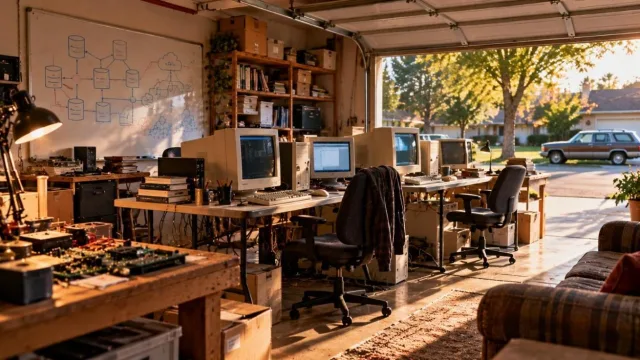
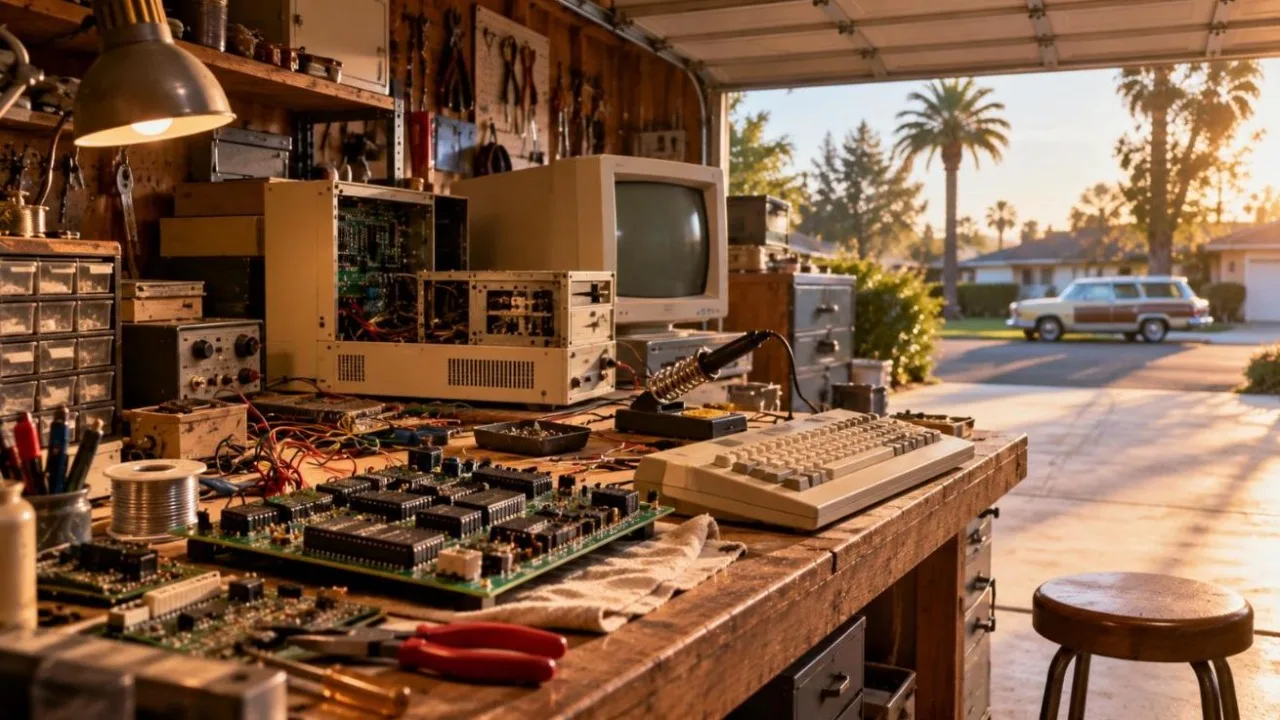
To fund the first batch, Jobs sold his Volkswagen van and Wozniak sold his HP calculator. Paul Terrell, owner of the Byte Shop, ordered 50 computers at $500 each, on condition that they were fully assembled. Jobs and Wozniak worked, along with friends and family, to build them, partly in the Jobs family home, including its garage. Wozniak has since said the garage role is somewhat exaggerated, but it became part of the legend.
The Apple II takes off
To grow, Apple needed money and experience. Mike Markkula, a former Intel executive, invested about $250,000 and helped write a business plan, becoming a key early partner. In 1977 Apple incorporated and launched the Apple II, a complete computer in a plastic case with colour graphics.
The Apple II became one of the first highly successful mass-produced personal computers. A spreadsheet program called VisiCalc helped sell it to businesses. Apple went public in December 1980 in one of the largest IPOs of its time.
The Macintosh and a founder forced out
In 1984 Apple launched the Macintosh, with a graphical interface and mouse, introduced by a famous Super Bowl advertisement. It was groundbreaking, but early sales disappointed and internal conflicts grew. In 1985, after a boardroom struggle with CEO John Sculley, Jobs left Apple.
He founded NeXT, a computer company, and bought the computer graphics business that became Pixar.
Near-collapse and the return
By the mid-1990s, Apple was losing money and market share. In 1997 Apple bought NeXT, bringing Jobs back. He soon became CEO. He cut the product line drastically, focusing on a few products, and agreed an investment and partnership with Microsoft that helped steady the company.
What followed was one of the greatest turnarounds in business history: the iMac in 1998, the iPod in 2001, the iTunes Store in 2003, the iPhone in 2007 and the iPad in 2010. Jobs died in 2011, and Tim Cook became CEO.
Business lessons from Apple
- Great teams combine different talents. Wozniak's engineering and Jobs's vision complemented each other.
- Your first customer can define your product. The Byte Shop's demand for assembled computers pushed Apple toward complete products.
- Bring in experience. Markkula's money and planning turned a hobby into a company.
- Focus is powerful. Cutting most products in 1997 saved Apple.
- Design and user experience can be a lasting advantage.
In Part 9, we look at a bookstore that began in a garage in Seattle and grew into Amazon.
How Global Giants Began: the full series
- Part 1: Coca-Cola
- Part 2: Toyota
- Part 3: LEGO
- Part 4: Samsung
- Part 5: IKEA
- Part 6: McDonald's
- Part 7: Nike
- Part 8: Apple (you are here)
- Part 9: Amazon
- Part 10: Google
Dates, prices and figures are commonly cited historical values and may vary slightly between sources. Company names and trademarks belong to their respective owners; HorizonDesk is not affiliated with any company mentioned.