As of about 6:35 PM IST (13:05 GMT), Tuesday 3 November 2026. Figures are attributed to the sources that published them; anything not independently confirmed is flagged.
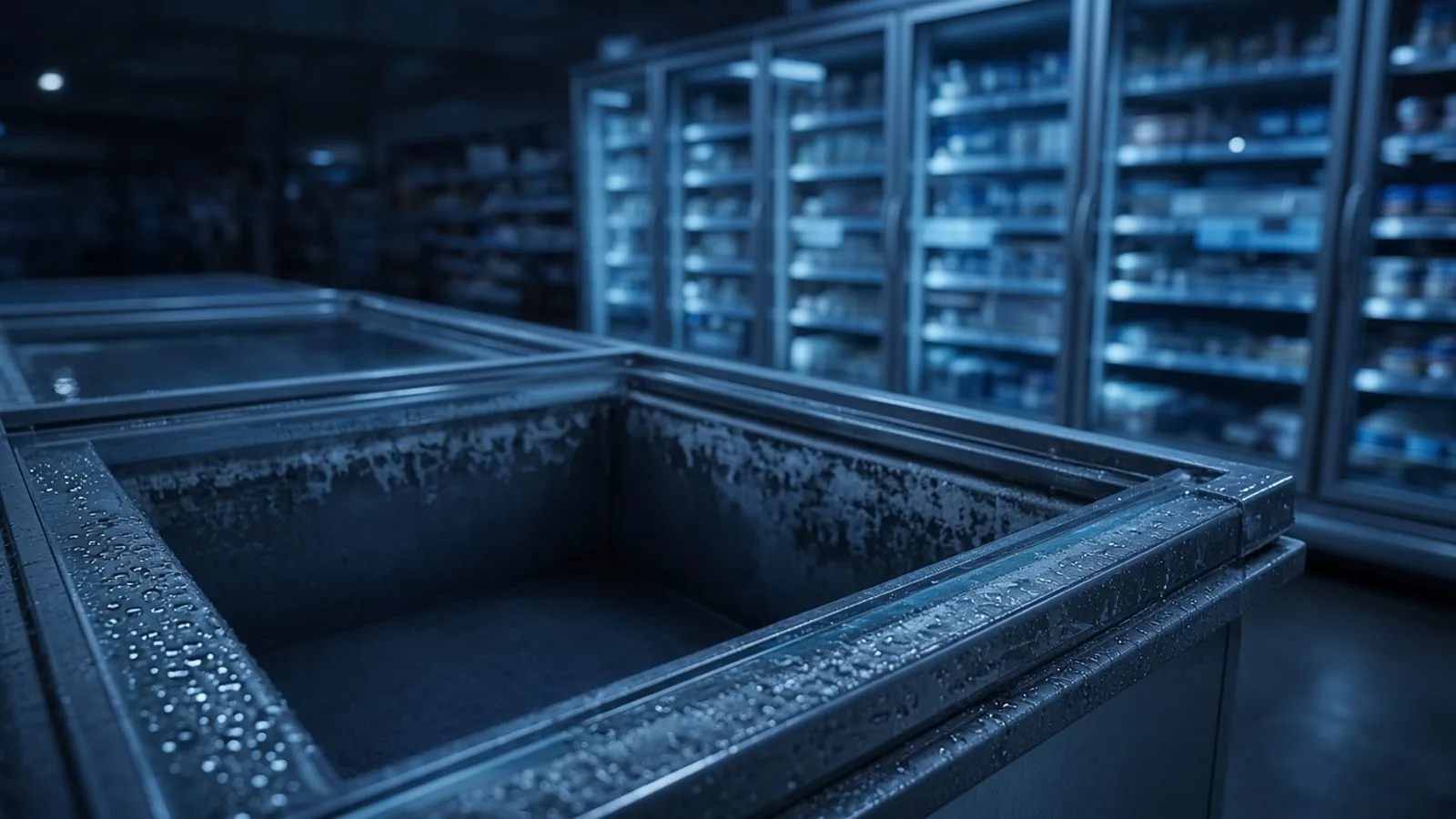
Supermarkets in at least seven European countries are counting their losses after hackers tampered with refrigeration systems overnight from Sunday 1 to Monday 2 November. In some stores fridge and freezer temperatures rose as high as 50C (122F), and large amounts of food had to be thrown away. It is the second such wave in a month, after an attack on French supermarkets in October. Nobody has claimed responsibility, and investigators have not said whether the two waves are linked.
Where stores were hit
- Belgium: the worst affected, according to SecurityWeek. Delhaize said several dozen stores were disrupted. Carrefour said 15 of its roughly 700 Belgian stores were hit, Colruyt said five franchised Spar shops were attacked, and Intermarche reported problems at 15 shops, the Guardian reported. An Ikea store in Mons was also affected. Euronews, citing Le Soir, put the Belgian total at about 75 stores.
- Luxembourg: four Delhaize outlets were affected, SecurityWeek reported.
- Sweden: ICA said a "limited number" of stores outside its central network were hit, and Coop said seven of its 800 stores were affected, the BBC reported. An ICA store in Sjobo posted that its fridges had been "hacked overnight" and set to 50 degrees.
- Ireland: 13 SuperValu stores pulled chilled and frozen products after a "cyber incident" affected one specific refrigeration model, owner Musgrave said.
- Netherlands, Estonia and Finland: Danfoss told Dutch broadcaster NOS that systems at at least 17 Dutch businesses were attacked, mostly butchers and small shops. One Selver store in Estonia was affected, and Finland's Kesko was investigating problems at some K-stores.
- SecurityWeek also reported incidents in Italy and Portugal. Those reports have not been widely confirmed.
SecurityWeek put the total at more than 100 stores. That is a media tally; no official count has been published.
How the attack worked
Stephan Moelans, chief executive of Belgian refrigeration firm Sabcobel, which runs Delhaize's systems, told the Belga news agency that the units' evaporators were switched into defrost mode, the same method used in France. He said a software update alone would not fix the weakness and that physical changes to the equipment were needed. SecurityWeek and NOS reported that the targeted controllers were made by Danfoss and Copeland. Danfoss said the weakness lay mainly in outdated software and that it had told customers on 13 October to cut direct internet connections; "most stores took action at that time, but a small number did not," a spokesperson told NOS.
Internet-scanning firm Censys has counted just over 1,000 Danfoss StoreView interfaces reachable online worldwide, including 138 in Belgium, according to SecurityWeek.
Investigation and reaction
- Belgium's federal prosecutor's office has opened an investigation, a spokesperson told Euronews.
- Belgium's Centre for Cybersecurity said it is not known who is behind the attack "and it may never be determined", Reuters reported via CNBC.
- EU agriculture commissioner Christophe Hansen called the attacks "a deliberate attempt to disrupt our food supply chain and undermine consumers' confidence in it". He said EU food security was not under threat for now.
- Tom Hegel of security firm SentinelOne told Reuters that the lack of any ransom demand points to sabotage rather than extortion.
- European officials have raised concerns about hybrid threats since Russia's 2022 invasion of Ukraine. Moscow has repeatedly denied involvement in sabotage, and Reuters said it could not establish who was behind Monday's attacks. No attribution has been made.
The cost
A Delhaize store in Hoeilaart told Het Laatste Nieuws it lost about 100,000 euros of produce, the BBC reported. A Belgian butcher told Reuters about 15,000 euros of meat was ruined. In October's French attack, food losses were estimated in the tens of millions of euros.
What to watch
- Any attribution or arrests from the Belgian and French investigations.
- Whether more stores disconnect or physically upgrade exposed controllers.
- Any EU-level response on securing connected equipment in the food supply chain.
Related reading on HorizonDesk
- When the fridges were hacked: business lessons from France's supermarket cyberattack
- Belgian PM De Wever offers resignation after budget talks collapse
- PHP2Shell: AI-found PHP flaws knock government websites offline in Europe
Sources
- BBC: Shop freezers in seven European countries hit by cyber-attack
- The Guardian: Shop fridges and freezers across Europe hit by fresh suspected cyber-attack
- CNBC (Reuters): New cyberattack on supermarket fridges sweeps across Europe
- SecurityWeek: Over 100 European stores hit as fridge attacks return
- Euronews: Belgium launches investigation