As of about 12:45 PM IST, Tuesday 3 November 2026. Figures are attributed to the sources that published them; anything not independently confirmed is flagged.
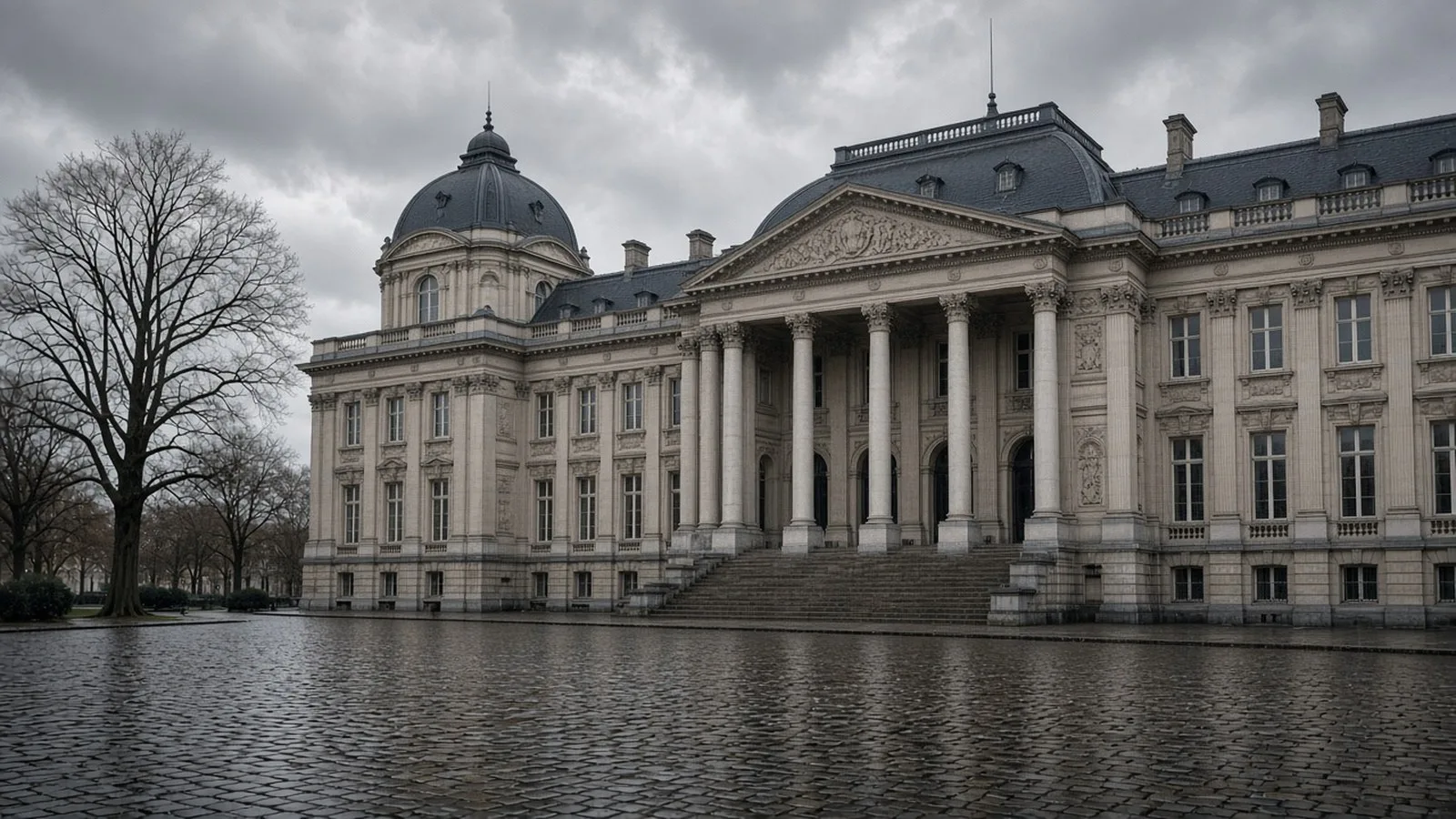
Belgium's Prime Minister Bart De Wever offered his government's resignation to King Philippe on Monday 2 November, after overnight talks inside his five-party coalition failed to produce a deal on next year's budget. The king has not accepted it. The palace said he was taking the decision "under consideration" and would consult the leaders of the coalition parties from Tuesday, with De Wever due back at the palace on Friday.
What happened
Senior ministers from the so-called "Arizona" coalition met over the weekend in a last attempt to agree how to close a budget gap of about 10 billion euros, Politico Europe reported. They broke up early on Monday without a deal. De Wever then spent around an hour and a half with the king, according to Euronews, and left without speaking to reporters.
In its statement, the palace said the king regretted that no agreement had been reached, said the country could not afford a prolonged political crisis and urged all parties to put "the general interest and a willingness to compromise first", as reported by Euronews.
Why the talks failed
The coalition is made up of De Wever's Flemish nationalist N-VA, the francophone liberal MR, the centrist Les Engages, the Flemish socialists Vooruit and the Christian Democrats CD&V. According to Euronews and Politico, the main split is over taxes:
- Vooruit, backed by CD&V and Les Engages, wants part of the savings - around 1 billion to 1.5 billion euros, per Euronews - to come from higher taxes on top incomes.
- N-VA and MR want the gap closed mainly through spending cuts. MR deputy prime minister David Clarinval said there were still "far too many taxes on the table" and blamed Vooruit for the breakdown.
- Foreign Minister Maxime Prevot told Belgian media there were "too many sticking points" to list.
The fiscal backdrop
- Belgium ran a deficit of 5.2% of GDP in 2025, Politico reported, against the 3% ceiling in EU fiscal rules, and it is expected to rise next year.
- Public debt is more than 735 billion euros, above 110% of GDP, according to Euronews.
- Euronews reported that government borrowing costs have risen as the talks dragged on.
What could happen next
The king can still reject the resignation and ask the coalition to keep negotiating, as happened in a different form last November, when De Wever asked for and received 50 extra days to reach a deal. If no budget passes in time, Belgium would start 2027 on provisional monthly spending allowances, known as "twelfths", which De Wever had said he wanted to avoid. Euronews reported that accepting the resignation would lead to new elections; Politico noted that polls show the far-right Vlaams Belang and the far-left Workers' Party performing well. Neither outcome has been decided.
What to watch
- The king's consultations with coalition leaders this week, and Friday's meeting with De Wever.
- Whether talks between Vooruit and MR resume; Clarinval did not rule it out.
- Belgian bond yields and any comment from the European Commission on Belgium's deficit path.
Related reading on HorizonDesk
- Germany Gen Z protests turn violent in Frankfurt, Cologne and Berlin
- France protests rattle markets as French bond yields rise
- Serbia election results: Vucic concedes as student list wins