As of about 6:45 AM IST, Monday 2 November 2026. Claims that could not be independently verified are flagged as such.
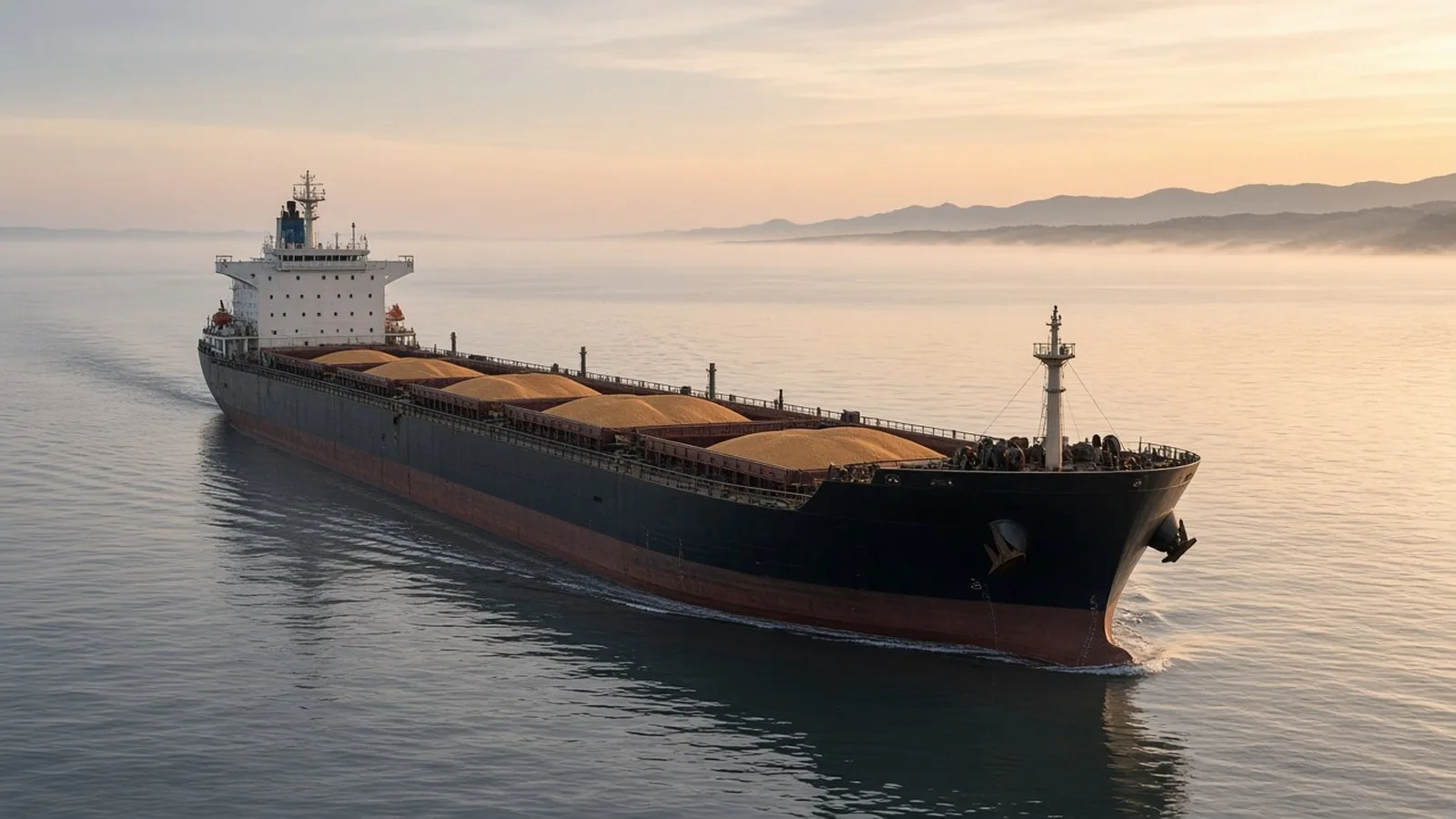
Ukrainian President Volodymyr Zelensky and Turkish President Recep Tayyip Erdogan agreed in Istanbul on Saturday 31 October to work on a new Black Sea grain corridor, while Erdogan called attacks on civilian shipping by either side unacceptable. The same day, US Secretary of State Marco Rubio said there was growing international interest in a limited ceasefire at sea. Overnight, Russian strikes on Ukraine's power grid left hundreds of thousands of households without electricity.
What was agreed in Istanbul
"Today, I reached an agreement with President Erdogan to work on the Black Sea grain corridor," Zelensky said at a joint news conference at the Dolmabahce Presidential Office. "Our goal is to ensure that this corridor continues to exist and operates effectively." He described the talks as "substantive". No route, rules or start date for the corridor were announced.
Erdogan said: "It is clear that attacks against civilian vessels and actions that further escalate tensions in the Black Sea serve no one's interests. We cannot accept these attacks under any circumstances, regardless of who carries them out or what justification is offered." He added that reaching an agreement on safe navigation "would also give fresh impetus to efforts to secure lasting peace in Ukraine".
Turkey, which helped set up the original Black Sea Grain Initiative in 2022, has sent both Moscow and Kyiv a proposal to end attacks on shipping, but says neither side has acted on it, according to Al Jazeera. The Kyiv Independent reported that Kyiv has said it is ready to accept a moratorium on Black Sea strikes, while Moscow has shown no interest.
Washington's view
Speaking after a G20 foreign ministers' meeting in Atlanta, Rubio said the US was reviewing proposals from Turkey and others to get grain shipments moving. "This is threatening the world for food security and some energy security as well," he said. "It doesn't solve the war, but at least it solves a unique aspect of it." He was more cautious on the broader conflict: "I don't know if negotiated peace is achievable in Ukraine, that's what we're trying to find out." The G20 meeting ended without a joint statement, Reuters reported.
Zelensky said he also discussed with Erdogan the format of talks between Russia, Ukraine and the US, which the Kremlin has said are planned to resume in November in the United Arab Emirates, and the possibility of a meeting in Turkey.
Russian strikes cut power
Zelensky said Russian strikes overnight into Sunday hit substations, transformers and power lines in the Dnipropetrovsk, Vinnytsia, Zhytomyr and Khmelnytskyi regions, leaving hundreds of thousands of households without power. He said Russia had launched 1,940 attack drones, more than 1,580 guided bombs and 44 missiles, 36 of them ballistic, over the past week, and that Moscow was trying to exploit Ukraine's shortage of ballistic missile interceptors. "These deliveries cannot take years," he said of promised Patriot missiles.
Ukraine's air force said it shot down 371 of 433 long-range drones launched since Saturday evening. On the Russian side, the Defence Ministry said it downed 235 Ukrainian drones overnight, and the governor of Nizhny Novgorod region reported "significant damage" to an unnamed industrial facility; the region is home to one of Russia's largest refineries. Zelensky said Ukraine had hit a plant in Russia's Rostov region that he said makes missile components. Moscow did not comment on that claim, and HorizonDesk could not verify it.
A six-day local ceasefire around the Russian-held town of Oleshky reached its final day on Sunday, with no let-up in fighting elsewhere on the front, Reuters reported.
Why it matters
Attacks on merchant ships in the Black Sea have intensified in recent months, raising insurance and freight costs for grain and fuel cargoes at a time when the Iran war has already squeezed global energy supply. A working corridor, even without a broader ceasefire, would ease pressure on food importers. But past attempts show that any arrangement depends on Moscow's agreement, which has not been given.
What to watch
- Whether Turkey publishes details of a corridor proposal or Russia responds to it.
- The timing of US-Russia-Ukraine talks, expected in November.
- Further strikes on energy infrastructure as winter approaches.
Related reading on HorizonDesk
- Russia, US and Ukraine plan trilateral talks in November
- Trump's Russian diesel deal and record diesel prices
- Putin agrees to resume US-Russia-Ukraine talks