
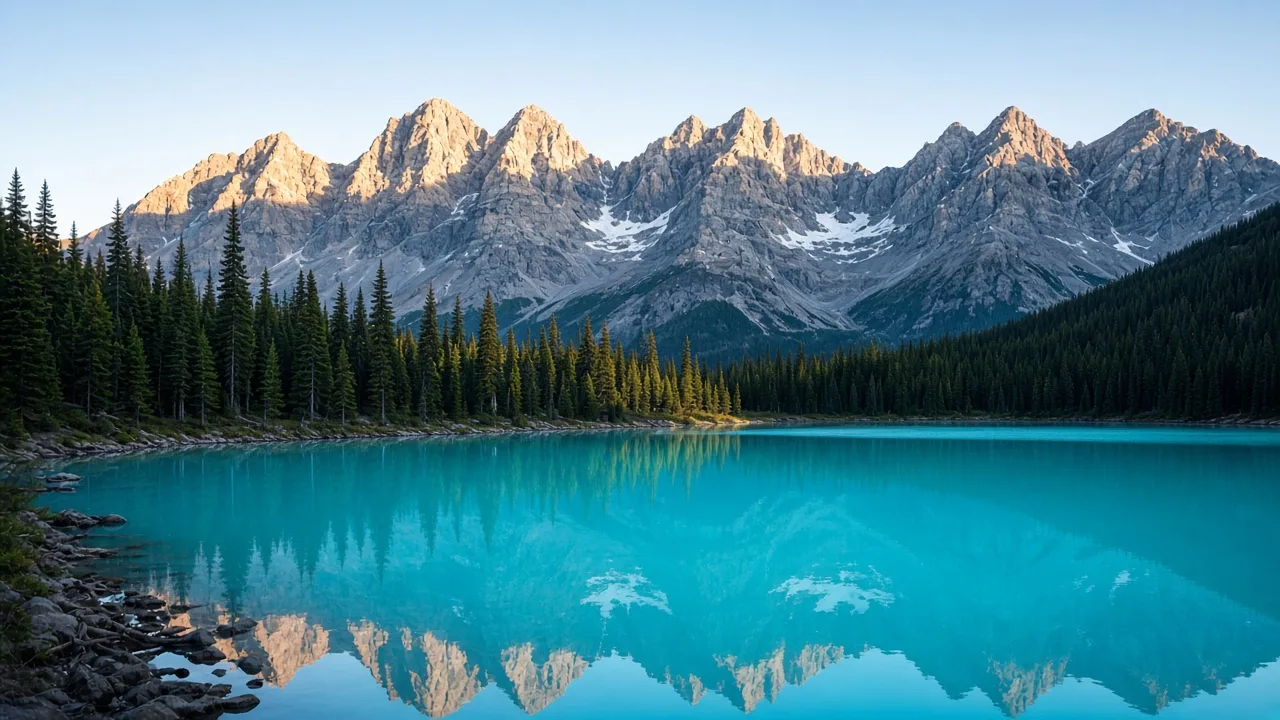
Banff National Park is Canada's oldest national park, founded in 1885. It sits at the heart of the Canadian Rocky Mountain Parks UNESCO World Heritage site, a region of jagged peaks, glacier-fed lakes, hot springs and wildlife. Together with neighbouring Jasper, Yoho and Kootenay, Banff makes up one of North America's classic road-trip and ski destinations.
Why go
Few places deliver alpine scenery this accessible. You can paddle a canoe on Lake Louise, watch the sun rise over the Valley of the Ten Peaks at Moraine Lake, drive the Icefields Parkway past the Columbia Icefield and soak in the Banff Upper Hot Springs, all within a few days. Elk, bighorn sheep and the occasional bear are part of the landscape.
Best time to visit
- Summer (late June to early September): the warmest weather, open hiking trails and lakes that show their famous turquoise colours. It is also the busiest season.
- Shoulder seasons (May to mid-June and mid-September to mid-October): fewer crowds, golden larches in late September and changeable weather. Snow is possible at higher elevations.
- Winter (December to March): a true ski destination, with Banff Sunshine, Lake Louise Ski Resort and Mt Norquay. You can also skate on frozen lakes, explore the ice formations of Johnston Canyon and walk the snowy streets of Banff town. For winter 2026-27, expect temperatures well below freezing, and be aware that Moraine Lake and some high roads are closed or inaccessible for the season.
Top things to do
- Lake Louise: walk the lakeshore, paddle in summer, or hike to the Lake Agnes Tea House and the Plain of Six Glaciers.
- Moraine Lake: climb the Rockpile for the classic view of the Valley of the Ten Peaks, usually accessible from June to mid-October.
- Icefields Parkway (Highway 93 North): about 230 km of mountain scenery between Lake Louise and Jasper, with stops at Peyto Lake, Bow Lake and the Columbia Icefield.
- Johnston Canyon: catwalks over a narrow gorge to the Lower and Upper Falls, and a famous ice walk in winter.
- Banff Gondola and Sulphur Mountain: panoramic views over the town and the Bow Valley.
- Banff Upper Hot Springs: a natural hot pool with mountain views.
- Yoho National Park: Emerald Lake and Takakkaw Falls, just across the BC border.
Where to stay by area
- Banff town: the widest choice of hotels, restaurants and services, plus easy transit.
- Lake Louise village: quieter and closer to the lakes. The famous Fairmont Château Lake Louise sits at the lakeshore.
- Canmore: just outside the park, often better value, with a lively town centre.
- Jasper: for a longer trip along the Icefields Parkway. Parts of Jasper were damaged by the 2024 wildfire, so check current services there.
Getting there and around
Calgary International Airport is about 90 minutes' drive from Banff. Shuttle buses and rental cars connect the two. Within the park, Roam Public Transit links Banff, Canmore and Lake Louise, and a car remains the most flexible option for the Icefields Parkway.
Moraine Lake Road is closed to personal vehicles year-round. In season (roughly June to mid-October), you can reach the lake by Parks Canada shuttle, licensed commercial operators or as a registered guest of Moraine Lake Lodge. Shuttle seats require advance reservations and sell out quickly. Parking at the Lake Louise lakeshore fills before sunrise in summer, and paid parking applies in season.
Indicative budget
Approximate per person per day (in Canadian dollars):
- Budget: about CA$100 to CA$170 with hostels or camping, groceries and transit.
- Mid-range: about CA$250 to CA$450 for hotels in Banff or Canmore, restaurant meals and activities.
- Luxury: CA$700 and up for lakeside resorts and guided experiences.
Park fees: Parks Canada charges a daily admission fee of about CA$12 per adult. Families and groups travelling together can buy a group rate, and an annual Discovery Pass covers more than 80 Parks Canada destinations. The shuttle is charged separately.
Practical tips: entry rules, taxes and wildlife
- Entry: many visa-exempt travellers flying to Canada need an Electronic Travel Authorization (eTA), which costs CA$7 on the official Government of Canada site. US citizens do not need an eTA, and other nationalities need a visitor visa. Avoid unofficial eTA websites that charge extra.
- Taxes: Alberta has no provincial sales tax, but expect the 5% federal GST plus hotel tourism levies.
- Wildlife safety: carry bear spray on trails and know how to use it. Hike in groups and never approach or feed animals. Some trails have group-access restrictions in summer to protect bears.
- Winter driving: use winter tyres, check road reports for the Icefields Parkway, and carry emergency supplies, as there is no mobile coverage on long stretches.
- Crowds: start early, use transit and visit popular spots outside midday.
FAQ
Can I drive to Moraine Lake? No. Private vehicles are banned. Use the Parks Canada shuttle, a licensed tour or a commercial shuttle.
Is Banff worth visiting in winter? Yes, for skiing, snowshoeing and frozen-lake scenery. Note that Moraine Lake is effectively closed in winter.
How many days do I need? Four to five days covers Banff and Lake Louise. Add two or three days for the Icefields Parkway and Jasper.


