Acid reflux happens when stomach acid flows back up into your food pipe (oesophagus), and heartburn is the burning feeling in the chest it causes. It is often triggered by large or fatty meals, spicy food, coffee, alcohol, chocolate or tomatoes, by lying down soon after eating, by being overweight, by smoking or by pregnancy. Relief usually comes from smaller meals, avoiding your triggers, not eating for 3–4 hours before bed, raising the head of your bed and, if needed, short-term pharmacy medicines. See a doctor if you have heartburn most days, if medicines don't help, or if you have warning signs such as difficulty swallowing or weight loss.
This guide covers the symptoms, common causes, foods to avoid, what helps quickly, which medicines are used, and when reflux needs a check-up.
What is acid reflux?
At the bottom of the oesophagus is a ring of muscle, the lower oesophageal sphincter, which normally stops stomach contents from coming back up. When it relaxes at the wrong time or is weak, acid can escape upwards. Occasional reflux is common and usually harmless.
When reflux happens often or causes complications, doctors call it gastro-oesophageal reflux disease (GORD, or GERD in the US). The US National Institute of Diabetes and Digestive and Kidney Diseases (NIDDK) describes GERD as a more serious, long-lasting form of reflux.
Symptoms of acid reflux and heartburn
The NHS lists these main symptoms:
- heartburn: a burning feeling in the middle of the chest
- an unpleasant sour taste in the mouth, caused by stomach acid
- a cough or hiccups that keep coming back
- a hoarse voice
- bad breath
- bloating and feeling sick
Symptoms are often worse after eating, when lying down and when bending over.
Important: chest pain is not always heartburn. Call emergency services if chest pain is crushing or tight, spreads to the arm, jaw, neck or back, or comes with breathlessness, sweating or feeling faint. These can be signs of a heart attack.
What causes acid reflux?
According to the NHS, many people have no obvious single cause, but common triggers include:
| Type of trigger | Examples |
|---|---|
| Food and drink | Coffee, alcohol, chocolate, tomatoes, fatty or spicy food |
| Body weight and posture | Being overweight; lying down or bending after meals |
| Habits | Smoking; large late-night meals |
| Life stages and stress | Pregnancy, hormonal changes, stress and anxiety |
| Medicines | Some anti-inflammatory painkillers such as ibuprofen |
| Underlying conditions | Hiatus hernia (part of the stomach moves up into the chest), a stomach ulcer, or a stomach infection with H. pylori bacteria |
Foods to avoid with acid reflux
Triggers differ from person to person. The NHS and NIDDK both advise avoiding the foods that make your symptoms worse rather than following a rigid list. Common culprits include:
- Fatty and fried foods: pakoras, samosas, puris, rich curries and fast food.
- Spicy food: heavy chilli and very spicy gravies.
- Tomatoes and tomato-based dishes and, for some people, citrus fruits.
- Chocolate.
- Coffee and, for some, strong tea.
- Alcohol.
- Fizzy drinks. Many people find they make bloating and reflux worse.
A simple way to find your triggers is a two-week food and symptom diary. Note what you ate, when, and how you felt over the next few hours.
Foods that are usually easier on reflux
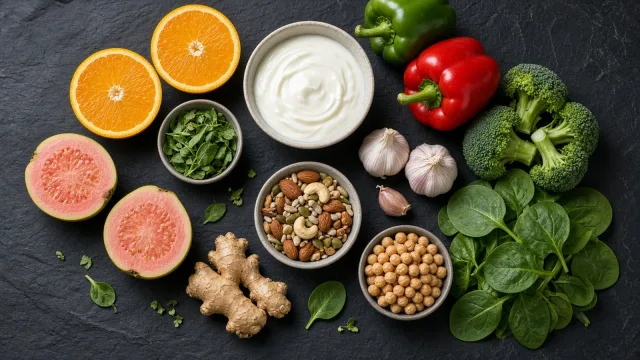
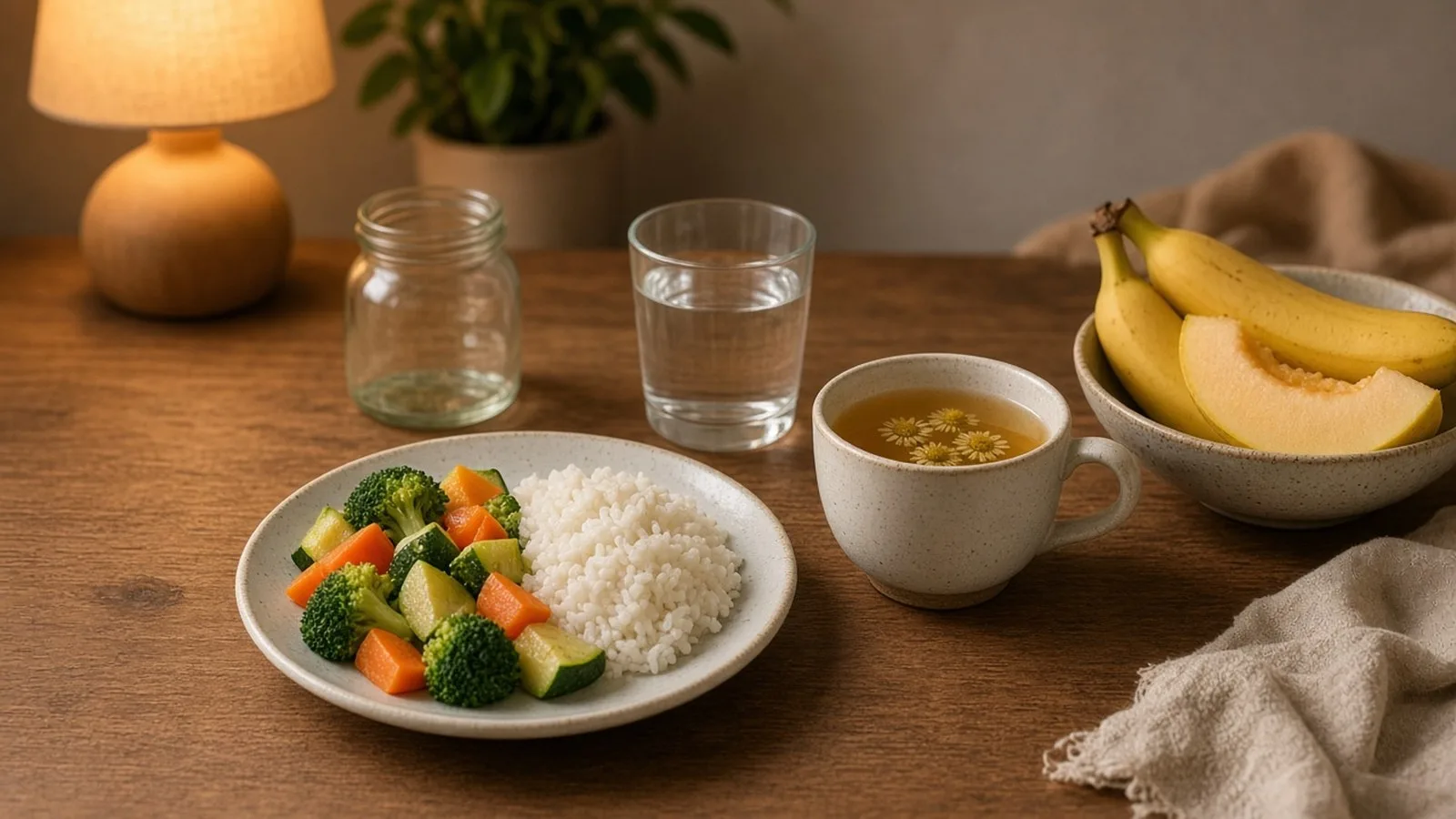
No food "cures" reflux, but many people tolerate these better:
- steamed or lightly cooked vegetables
- plain rice, oats, whole-wheat roti and other whole grains
- lean protein such as dal, eggs, fish, chicken or tofu, cooked with little oil
- non-citrus fruits such as bananas, melons and papaya
- water and caffeine-free herbal drinks
Cold milk is a popular home remedy. It may soothe briefly, but there is no good evidence that it helps reflux, and full-fat dairy can make some people worse. For everyday gut-friendly habits, see our guide to better digestion.
Practical swaps for Indian meals
You don't need to give up home food to control reflux. Small changes to how food is cooked and when it is eaten often make a noticeable difference:
- Move the big meal earlier. Many households eat dinner late. If you can, make lunch the main meal and keep dinner lighter and at least 3–4 hours before bed.
- Use less oil and tadka. Rich gravies with a lot of oil, cream or ghee are common triggers. Try dry sabzis, steamed idli, or a lighter dal.
- Turn down the chilli rather than cutting out flavour. Herbs such as coriander, curry leaves and mild spices are often better tolerated than lots of green or red chilli.
- Watch the chai and coffee. Several cups a day, especially on an empty stomach, can worsen symptoms for some people.
- Go easy on fried snacks at tea time; roasted chana or fruit are lighter choices.
- Walk, don't lie down, after meals. A gentle stroll keeps you upright while you digest; avoid bending, heavy lifting or tight belts right after eating.
How to get relief from acid reflux
The NHS recommends these lifestyle changes.
Do
- Eat smaller, more frequent meals instead of two or three big ones.
- Raise the head of your bed by 10–20 cm with blocks or a wedge under the mattress, so your chest and head are above your waist. Extra pillows are not the answer, because they bend you at the waist.
- Lose weight if you are overweight. Extra weight around the tummy pushes on the stomach.
- Find ways to relax. Stress can make symptoms worse; our stress management guide has simple techniques.
Don't
- eat food that triggers your symptoms
- eat within 3 to 4 hours of going to bed
- wear clothes that are tight around your waist
- smoke
- drink too much alcohol
- stop taking any prescribed medicine without first speaking to a doctor
Medicines for heartburn and acid reflux
From a pharmacy
A pharmacist can recommend:
- Antacids, which neutralise stomach acid.
- Alginates, which form a protective layer that floats on top of the stomach contents.
The NHS advises that these work best taken with food or soon after eating. They are meant for short-term relief and should not be used regularly for a long time without advice. Check with a pharmacist if you are pregnant or take other medicines.
From a doctor
If symptoms keep coming back, a doctor may prescribe:
- Proton pump inhibitors (PPIs) such as omeprazole or lansoprazole. They reduce how much acid the stomach makes and are usually given as a course of 4 or 8 weeks.
- H2 blockers such as famotidine, another type of acid-reducing medicine, which may be tried if a PPI does not work.
- Tests such as a test for H. pylori bacteria (treated with antibiotics plus acid-reducing medicine), or a gastroscopy (a camera test of the gullet and stomach).
- Rarely, surgery to strengthen the valve, if medicines and lifestyle changes don't control symptoms.
Don't self-medicate with acid-reducing tablets for weeks at a time without a diagnosis. Persistent symptoms deserve a proper check.
When to see a doctor
The NHS advises seeing a GP if:
- lifestyle changes and pharmacy medicines aren't helping
- you have heartburn most days
- you have other symptoms, such as food getting stuck in your throat, frequent vomiting or losing weight for no reason
Also see a doctor promptly if you vomit blood or something that looks like coffee grounds, have black, tarry stools, or have pain or difficulty swallowing. Long-term untreated reflux can inflame and damage the oesophagus, so persistent symptoms should not be ignored.
Acid reflux in pregnancy
Heartburn is common in pregnancy because of hormonal changes and the growing baby pressing on the stomach. Smaller meals, not eating late and raising the head of the bed often help. Speak to your midwife, doctor or pharmacist before taking any medicine.
Frequently asked questions
What is the fastest way to relieve heartburn?
Stay upright, loosen tight clothing and avoid lying down. A pharmacy antacid or alginate taken as directed usually gives quick relief. If you need it often, see a doctor rather than relying on it.
Is acid reflux the same as GERD?
Not quite. Acid reflux is the backward flow of acid, which most people experience occasionally. GERD (GORD) is when reflux is frequent or long-lasting, or causes complications.
Does drinking water help acid reflux?
Sipping water may wash acid back down and ease mild discomfort briefly, but it is not a treatment. Avoid gulping large amounts with meals if that makes you feel full and bloated.
Which sleeping position is best for acid reflux?
The NHS recommends raising the head of the bed by 10–20 cm so your chest and head are above your waist. That works better than piling up pillows. Avoiding late meals matters just as much.
Can stress cause acid reflux?
The NHS lists stress and anxiety as possible triggers. Managing stress may reduce how often symptoms flare, alongside diet and other lifestyle changes.
Disclaimer: This article is for general information only and is not medical advice. It does not replace a diagnosis or treatment plan from a qualified professional. Please consult your doctor before changing your diet, exercise, medicines or supplements, and seek urgent care for any warning signs mentioned above.
Related reading on HorizonDesk
- Better digestion naturally: everyday habits for a happier gut
- Everyday stress management
- Smart snacking: healthy Indian snack ideas