That mid-afternoon slump is real. By 4 pm, many of us reach for biscuits, samosas or a packet of chips with our tea. Snacking itself is not a problem. In fact, a well-chosen snack can keep your energy steady, prevent overeating at dinner and add useful nutrients to your day. The trick is choosing snacks that satisfy you without loading up on excess oil, salt and sugar.
What makes a good snack?
A good snack keeps you full until your next meal. Look for snacks that combine at least two of these:
- Protein: chana, sprouts, paneer, curd, eggs, nuts
- Fibre: fruits, vegetables, whole grains, seeds
- Healthy fats: nuts and seeds in small portions
Snacks made mostly of refined flour, sugar or deep-fried batter tend to give a quick lift followed by a crash.
Easy Indian snack ideas
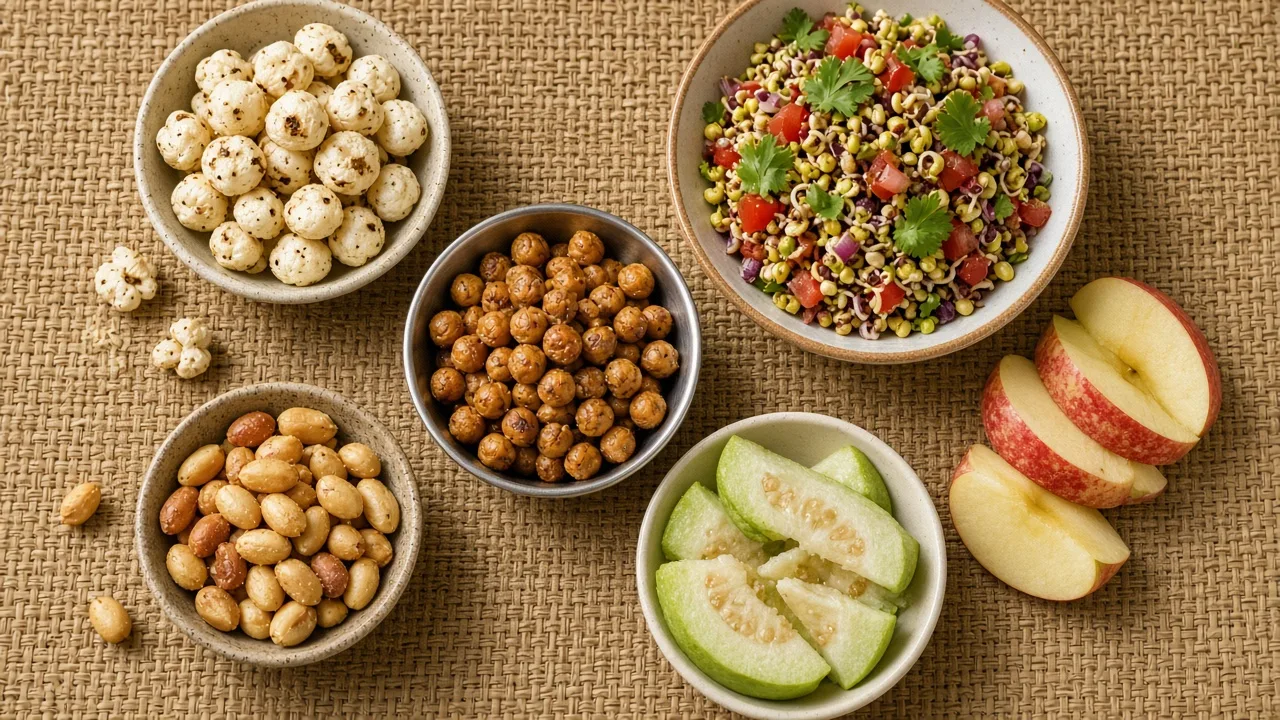
- Roasted chana: Crunchy, filling and easy to carry. Pair with a few peanuts for variety.
- Roasted makhana: Dry roast fox nuts with a little ghee, salt and pepper or chaat masala.
- Sprouts chaat: Toss boiled moong sprouts with onion, tomato, cucumber, lemon juice and coriander.
- Fruit with a protein: An apple with a few almonds, or a banana with a spoonful of peanut butter.
- Curd bowl: Plain curd with fruit, a sprinkle of seeds or a little honey.
- Vegetable sticks with hummus or hung curd dip: Carrots, cucumber and capsicum work well.
- Besan or moong dal chilla: A quick savoury pancake, great for after-school hunger.
- Boiled egg or paneer tikka: Simple and rich in protein.
- Bhel with puffed rice: Use plenty of vegetables and go easy on sev and sweet chutney.
- Homemade poha or upma: A light, warm option on cooler evenings.
Snacks for school tiffins
Children need energy for play and study. Rotate options such as fruit, small paratha rolls with vegetable filling, idli, homemade laddoos made with nuts and jaggery, and peanut chikki in moderation. Involving children in choosing and preparing snacks makes them more likely to eat them.
Snacks for office and travel
Keep a small stash so you are not tempted by vending machines.
- A jar of roasted chana or mixed nuts in your drawer
- Fresh fruit like bananas, apples or oranges
- A box of homemade dry snacks such as roasted makhana or chivda made with less oil
- A bottle of water, since thirst is sometimes mistaken for hunger
Watch the portions
Even healthy snacks can add up. Nuts are nutritious but rich in calories, so a small handful is enough. Serve snacks in a bowl rather than eating straight from a large packet, which makes it easy to lose track.
Be smart with packaged snacks
Not every packaged snack is unhealthy, but read labels where you can.
- Check the ingredient list; shorter is usually better.
- Look out for high sugar, salt and refined oil.
- Be cautious of "baked" or "multigrain" labels, which do not always mean healthier.
- Choose plain roasted options over heavily flavoured ones.
Pair your chai wisely
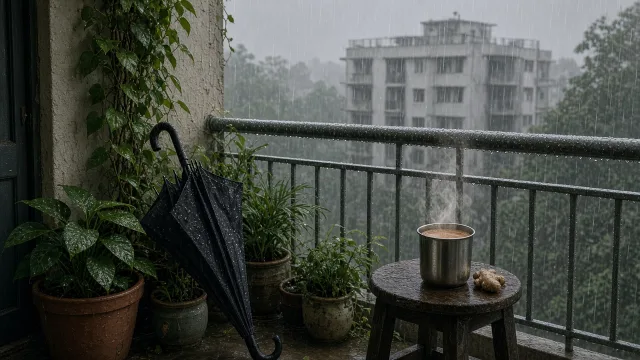
Tea time is a cherished ritual. Instead of biscuits or namkeen every day, try pairing your chai with roasted makhana, a handful of nuts, a small bowl of poha or a fruit. Keep fried snacks such as pakoras and samosas for occasional treats, perhaps on a rainy weekend.
Plan ahead
Healthy snacking is easier when you prepare in advance.
- Roast a batch of makhana or chana on Sunday.
- Soak and sprout moong overnight for quick chaat.
- Wash and cut vegetables and store them in airtight boxes.
- Keep fruit visible on the counter rather than hidden in the fridge.
Listen to your hunger
Before reaching for a snack, ask yourself whether you are truly hungry or simply bored, stressed or tired. A glass of water, a short walk or a few minutes of fresh air can sometimes be what you really need.
Smart snacking is about planning, portions and simple swaps. With a few go-to options ready, the 4 pm hunger pangs become much easier to handle.
Note: This article offers general guidance only; if you have diabetes, food allergies or specific dietary needs, please consult a doctor or registered dietitian.