High blood pressure in pregnancy is one of the most common and most dangerous complications mothers face, yet it is often silent until it becomes an emergency. The World Health Organization and its partners have launched a new global roadmap to tackle hypertensive disorders of pregnancy, including pre-eclampsia, with the aim of making sure a woman's chances of surviving pregnancy do not depend on where she lives.
The Global roadmap for hypertensive disorders of pregnancy from 2026 to 2035 and beyond was launched at the Society for Maternal-Fetal Medicine Global Conference and announced by WHO on 8 October 2026.
The scale of the problem
According to WHO:
- Hypertensive disorders complicate an estimated 10–15% of pregnancies worldwide.
- They account for around 16% of maternal deaths globally, an estimated 42,000 deaths each year.
- They are also linked to more than 500,000 stillbirths and newborn deaths a year.
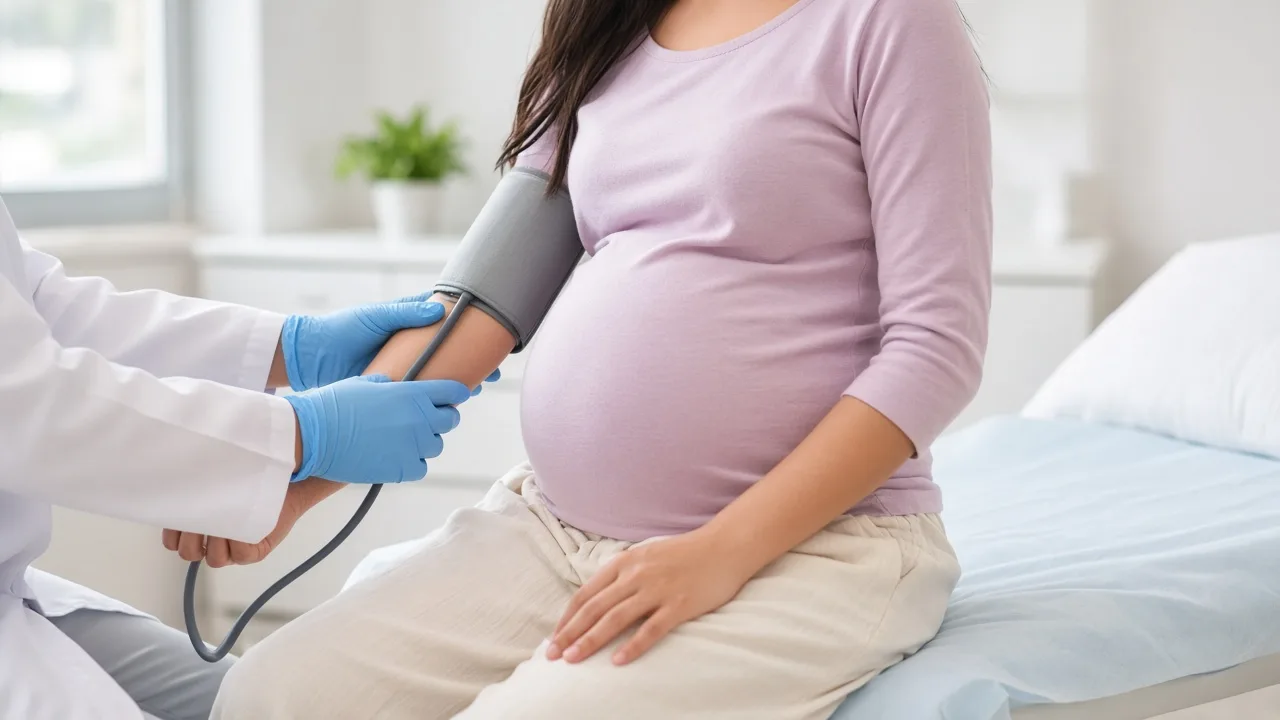
WHO says that in many countries women still lack reliable access to basic blood pressure measurement, urine protein testing and essential medicines. Weak referral systems, shortages of trained health workers and limited emergency obstetric services can delay life-saving care further.
"Pre-eclampsia can develop in any pregnancy. Whether it becomes fatal depends on whether a woman's blood pressure was checked in time, and whether quality emergency care was within reach when it turned severe," said Dr Pascale Allotey, Director of WHO's Department of Sexual, Reproductive, Maternal, Child, Adolescent Health and Ageing.
What the roadmap sets out
The roadmap brings together coordinated action in five areas: research and innovation, global clinical guidance, access to medicines and diagnostics, implementation, and advocacy and accountability.
One of its central points is what WHO calls a striking innovation gap. Despite the scale of the problem, there are no medicines specifically developed and approved by regulators for preventing or treating pre-eclampsia or eclampsia. WHO says research investment has focused largely on diagnostics, with chronic underinvestment in new preventive and treatment options.
To help close that gap, WHO brought together more than 140 partners at a global summit in May 2026 to identify 20 priority research questions to guide future investment. WHO is asking governments, funders, researchers, health professionals, industry and civil society to align around one goal: making sure proven interventions and future innovations reach the women and babies who need them most.
What is pre-eclampsia?
Pre-eclampsia is a high blood pressure disorder that typically develops after 20 weeks of pregnancy. WHO's fact sheet says it is diagnosed when new high blood pressure (140/90 mmHg or higher) appears together with protein in the urine. It can progress to eclampsia, which involves seizures, and both conditions can be life-threatening for mother and baby.
Complications can include organ damage to the kidneys, liver or brain, a condition called HELLP syndrome, placental abruption, preterm birth and restricted growth of the baby.
Warning signs to take seriously
Some women with pre-eclampsia have no symptoms at all, which is why routine blood pressure checks matter. When symptoms do occur, WHO lists:
- severe headaches
- visual disturbances, such as blurred vision or seeing spots
- pain in the upper abdomen
- nausea and vomiting after the first trimester
- swelling of the hands and face
Anyone who is pregnant, or has recently given birth, and notices these signs should seek medical care urgently.
Who is at higher risk?
WHO lists several factors that increase the risk of pre-eclampsia:
- a first pregnancy
- carrying twins, triplets or more
- obesity
- existing high blood pressure, diabetes or kidney disease
- a family history of pre-eclampsia
Having a risk factor does not mean pre-eclampsia will happen, but WHO says closer medical supervision beyond routine screening is recommended. If any of these apply to you, tell your doctor or midwife early in pregnancy. WHO's recommendations include low-dose aspirin for women at high risk and calcium supplements in places where diets are low in calcium, but whether these are right for you is a decision for your doctor, not something to start on your own.
The long shadow after birth
The roadmap also stresses that pre-eclampsia can affect mothers for years. WHO says women who have had a hypertensive disorder of pregnancy face higher risks later in life of chronic high blood pressure, heart disease, stroke and kidney disease. Children exposed during pregnancy can face increased risks associated with preterm birth and longer-term cardiovascular and metabolic disease.
That makes it worth telling every future doctor about a history of pre-eclampsia, and keeping up regular blood pressure checks after pregnancy.
Practical steps for expectant mothers
- Attend every antenatal check-up, even if you feel well, and make sure your blood pressure and urine are tested.
- Know the warning signs above and share them with your family.
- Do not ignore a bad headache or changes in vision in the second half of pregnancy or after delivery.
- Take only medicines your doctor prescribes, and do not start or stop any treatment on your own.
- Keep checking your blood pressure after pregnancy, especially if you had pre-eclampsia.
FAQ
Can pre-eclampsia happen after the baby is born? Yes. WHO advises seeking medical attention for warning signs during pregnancy or after childbirth.
Is pre-eclampsia the same as high blood pressure? Not exactly. It is a pregnancy-specific disorder involving new high blood pressure, usually with protein in the urine, after 20 weeks.
Can pre-eclampsia be prevented? There is no guaranteed way to prevent it. Regular antenatal care helps detect it early, and WHO recommends certain preventive treatments for women at high risk, prescribed by a doctor.
Does pre-eclampsia affect long-term health? It can. WHO links it to higher later-life risks of high blood pressure, heart disease, stroke and kidney disease.