After the scorching summer, the first monsoon showers feel like a blessing. But the rainy season also brings humidity, waterlogging and a rise in infections. Stomach upsets, colds, fungal infections and mosquito-borne illnesses such as dengue and malaria become more common. A few simple precautions can help you enjoy the rains while keeping your family healthy.
Be careful with water
Contaminated water is one of the biggest monsoon risks.
- Drink safe water. Use boiled, filtered or purified water at home.
- Carry your own bottle when you go out rather than relying on unknown sources.
- Be cautious with ice in drinks from roadside stalls.
- Service your water purifier and clean storage tanks and containers regularly.
Eat fresh and hygienic food
Our digestion can feel sluggish in humid weather, and bacteria grow faster.
- Prefer freshly cooked, hot meals over food that has been sitting out.
- Wash vegetables thoroughly, especially leafy greens, which can trap dirt and insects.
- Limit street food, particularly raw items like chutneys, cut fruit and pani puri water.
- Store leftovers in the fridge promptly and reheat them well.
- Choose light, easy-to-digest meals such as khichdi, soups, dal and steamed vegetables.
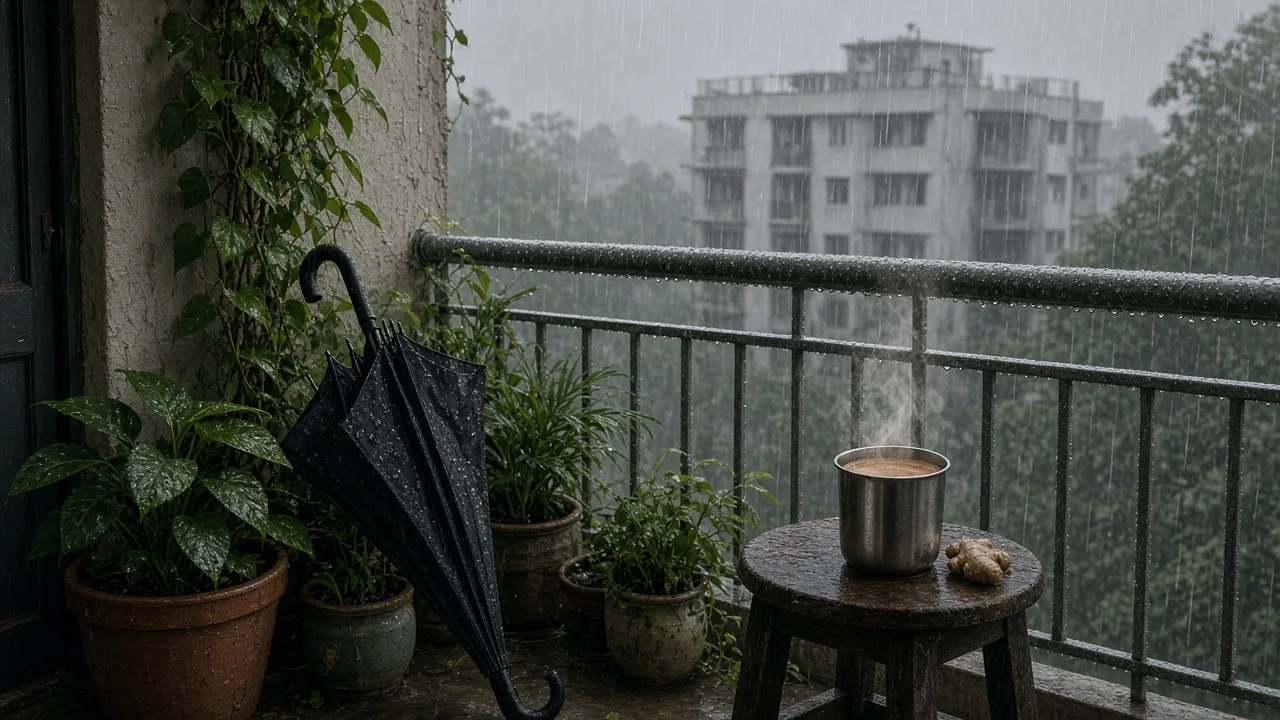
Warm drinks such as ginger tea, tulsi tea or haldi doodh can be comforting on damp evenings.
Keep mosquitoes away
Mosquitoes breed in stagnant water, which is everywhere in the monsoon.
- Empty standing water from flower pots, coolers, buckets, old tyres and trays under the fridge at least once a week.
- Use mosquito nets or screens on windows and doors.
- Apply repellent on exposed skin, especially at dawn and dusk.
- Wear full-sleeved clothing when outdoors in the evening.
- Ask your housing society to check terraces and drains for water collection.
Look after your feet and skin
Wet shoes and damp clothes can lead to fungal infections.
- Dry your feet properly, including between the toes, after getting wet.
- Wear open, waterproof footwear on rainy days and keep closed shoes for dry weather.
- Change out of damp clothes quickly.
- Avoid wading through dirty, flooded water whenever possible, and wash your feet well with soap if you do.
Keep your home dry and fresh
Damp homes encourage mould, which can trouble people with allergies or asthma.
- Open windows when it is not raining to let air circulate.
- Dry clothes fully before storing them; use a fan or dryer if needed.
- Wipe down damp corners and check for leaks.
- Keep the kitchen and bathroom clean and dry.
Boost your general resilience
There is no magic immunity food, but overall healthy habits help your body cope.
- Eat a variety of seasonal fruits and vegetables.
- Get enough sleep.
- Stay active indoors on very rainy days with yoga or simple home workouts.
- Wash your hands with soap before meals and after coming home.
Protect children and elders
Children love splashing in puddles, and elders may be more prone to infections and slips. Keep an eye on both. Provide dry towels and a change of clothes after school, and make sure floors and steps are not slippery.
When to see a doctor
Do not ignore a fever during the monsoon, especially if it is high or comes with body ache, rashes, vomiting, persistent diarrhoea or weakness. Some monsoon illnesses need timely testing and treatment, and self-medicating can sometimes do more harm than good.
Enjoy the season safely
The monsoon is a beautiful time of year, full of green landscapes and cosy evenings. With clean water, fresh food, mosquito precautions and a dry home, you can enjoy the rains without letting them dampen your health.
Note: This article offers general guidance only; if you or a family member develop a fever or other symptoms, please consult a doctor promptly.