Those small, rough bumps on the backs of your arms are most likely keratosis pilaris (KP), a very common and harmless skin condition. There is no permanent cure, but you can make the bumps much smoother and less noticeable with a simple routine: gentle exfoliation, a moisturiser containing urea or lactic acid applied to damp skin after every bath or shower, short warm (not hot) showers, and fragrance-free products. Results take a few weeks, and you need to keep going to maintain them. Many people find KP fades gradually over the years.
What is keratosis pilaris?
Keratosis pilaris happens when hair follicles become blocked with a build-up of keratin, a protein that forms part of the skin's outer layer. According to the NHS, it is very common, harmless and not infectious, and it is thought to run in families. The American Academy of Dermatology (AAD) describes the bumps as plugs of dead skin cells that can look like goosebumps or "plucked chicken" skin.
What it looks like
- Small, rough bumps that can feel like sandpaper.
- Skin-coloured bumps, which may look red on white skin or darker on brown or black skin.
- Most common on the upper arms and the front of the thighs; it can also appear on the bottom, and children may get it on their cheeks.
- Sometimes itchy, although many people have no symptoms other than the look and feel of the skin.
KP often improves in summer and gets worse in winter, when the air is drier. The AAD notes it can persist year-round in dry climates or in people who swim often in pools. It can affect people of any age.
What makes it worse?
Anything that dries out your skin tends to make KP more noticeable. Common culprits include:
- long, hot baths or showers
- harsh bar soaps and perfumed products
- scrubbing hard with rough scrubs
- scratching, picking or rubbing the bumps
- cold, dry weather and indoor heating
- shaving or waxing the area, which the AAD says can cause more bumps
How to get rid of keratosis pilaris bumps: a 3-step routine
The AAD's self-care advice boils down to three steps: exfoliate gently, use a product that helps loosen the plugs, and moisturise well.
Step 1: Exfoliate gently
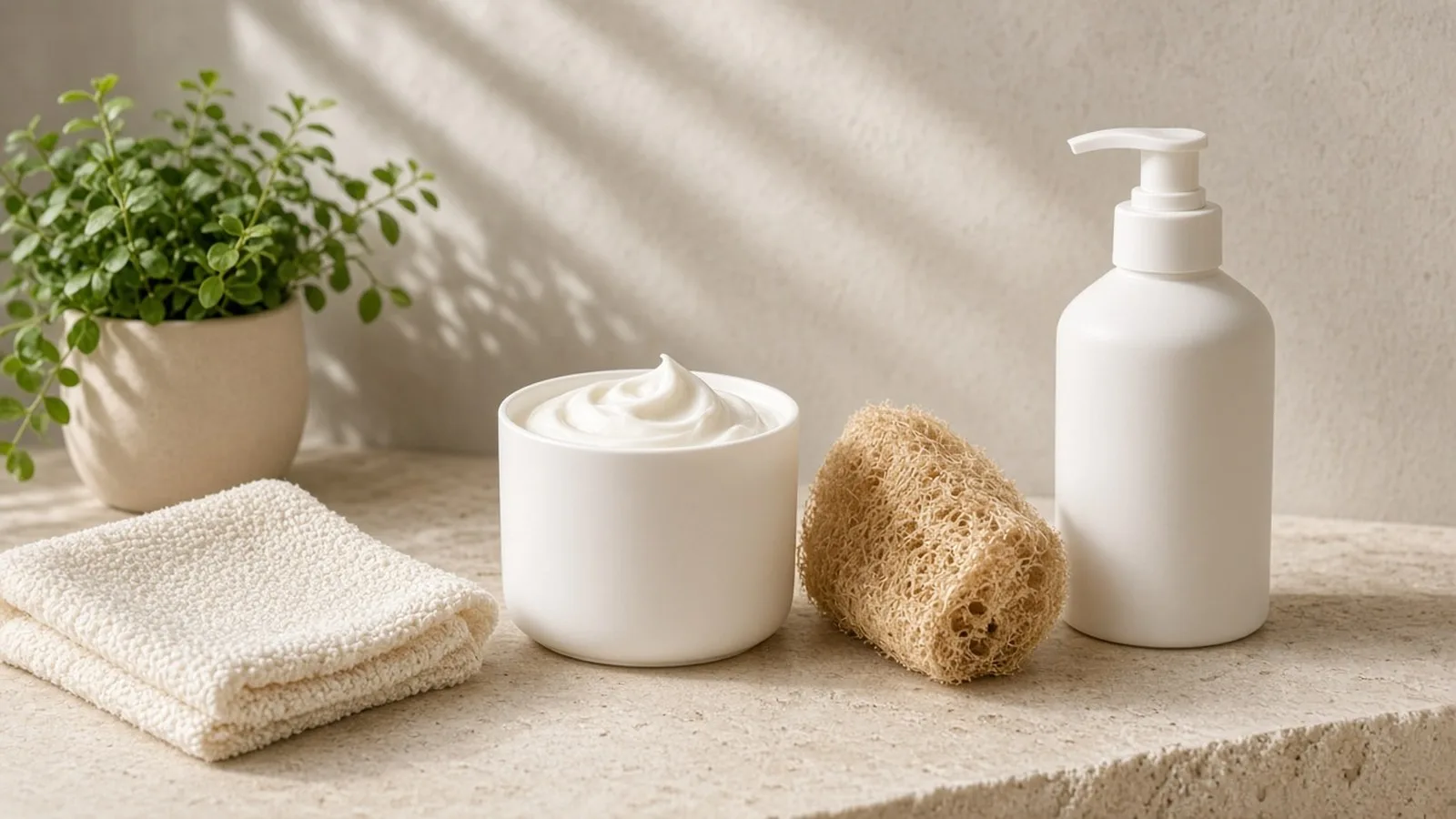
Gently removing dead skin can help smooth the bumps. The NHS suggests using a washcloth or exfoliating mitt, and the AAD mentions a loofah or an at-home microdermabrasion kit. Use light pressure. Harsh scrubbing irritates the skin and, according to the NHS, can make KP worse.
Step 2: Use an exfoliating (keratolytic) ingredient
The AAD lists several ingredients that help dissolve the keratin plugs:
| Ingredient | How it helps | Notes |
|---|---|---|
| Urea | Softens and loosens rough skin while moisturising | Often found in body creams for rough skin |
| Lactic acid / other AHAs (e.g. glycolic acid) | Loosen dead skin cells on the surface | Can sting on broken or irritated skin |
| Salicylic acid | Helps clear plugged follicles | Use as directed on the label |
| Retinoids (adapalene, retinol, tazarotene, tretinoin) | Speed up skin cell turnover | Can be irritating; some need a prescription and are not suitable in pregnancy |
Use only the amount and frequency recommended. If your skin becomes red, stinging or irritated, the AAD advises stopping for a few days to let it settle. If you are already using a retinoid on your face, our guide to using retinol for beginners explains how to introduce it gradually.
Step 3: Moisturise, every time
Dry skin makes the bumps more noticeable, so moisturising is the single most important habit. The AAD recommends:
- applying a thick cream or ointment containing urea or lactic acid within 5 minutes of bathing, while your skin is still damp
- reapplying 2 to 3 times a day
- choosing fragrance-free products
The NHS also suggests asking a pharmacist which moisturiser to use.
Everyday habits that help
- Keep showers short and warm: the AAD suggests limiting baths or showers to 20 minutes or less, once a day, with warm rather than hot water.
- Switch to a mild cleanser: bar soaps can dry the skin. Mild, unperfumed products are gentler.
- Use a humidifier if the air in your home is dry, especially in winter.
- Hands off: scratching or picking can lead to irritation, marks and infection.
- Rethink hair removal: shaving and waxing can trigger more bumps. The AAD notes laser hair removal does not.
- Skip self-tanner: it can settle into the bumps and make them more obvious.
If your skin also reacts easily to products, a simple, fragrance-free approach like the one in our skincare routine for sensitive skin works well for your body too.
A sample weekly body routine
Putting the advice together, a simple routine might look like this. Adjust it to how your skin responds.
| When | What to do |
|---|---|
| Every shower (once a day) | Warm water, 20 minutes or less; mild, fragrance-free cleanser; pat skin almost dry |
| Within 5 minutes of showering | Thick urea or lactic acid cream on the arms, thighs and any other affected areas |
| Midday and bedtime | Reapply moisturiser to the affected areas |
| Two or three times a week | Gentle exfoliation with a washcloth, mitt or loofah, using light pressure |
| Once your skin is smoother | Keep moisturising daily and continue an exfoliating product on a maintenance schedule |
Give any new routine at least a few weeks before judging it. Take a photo in the same light at the start so you can compare fairly.
Common mistakes to avoid
- Scrubbing harder when the bumps do not budge. Friction irritates the skin and can leave it redder and rougher.
- Using several acids at once. Layering a scrub, an acid lotion and a retinoid on the same day is a common cause of stinging and dryness. Start with one product.
- Stopping once your skin improves. Bumps usually return without maintenance.
- Choosing heavily perfumed body lotions. Fragrance can irritate dry skin; the NHS advises avoiding perfumed products.
- Picking at the bumps. This can cause marks that last longer than the bumps themselves, particularly on darker skin.
Medical treatments
If the routine above is not enough, a dermatologist may suggest stronger options. The AAD says:
- Prescription-strength exfoliating creams, including retinoids, can help smooth the skin.
- A corticosteroid cream may be used for a short time to soften the bumps and reduce redness.
- Laser or light treatments may help when other treatments have not worked, sometimes combined with microdermabrasion.
The NHS notes that steroid creams and laser treatment for KP are not usually available on the NHS because they have not been proven to be effective, so results vary. If you see no improvement after 4 to 6 weeks of treatment, the AAD suggests telling your dermatologist.
Be realistic: it is about control, not cure
KP cannot be permanently cured, and the bumps tend to come back if you stop your routine. The AAD recommends a maintenance plan, which might mean using an exfoliating product a couple of times a week once your skin has improved. The good news is that KP often becomes less noticeable with age and may clear on its own after several years.
Keratosis pilaris in children and teenagers
KP is common in children and teenagers, and in young children it may show up as rough, slightly red patches on the cheeks as well as on the arms and legs. Because it is harmless, treatment is optional. For children, the gentlest steps are usually enough: short lukewarm baths, a mild cleanser and a fragrance-free moisturiser applied to damp skin. Check with a doctor or pharmacist before using acid or retinoid products on a child's skin, and seek advice if the patches are very itchy or you are unsure what they are.
When to see a doctor or pharmacist
- Self-care has not helped after several weeks.
- The bumps are very itchy, sore, or spreading to new areas.
- The skin looks infected, such as hot, swollen, painful or oozing.
- You are not sure whether it is KP, as other conditions can look similar.
A doctor can usually diagnose KP just by looking at your skin.
Frequently asked questions
Can you get rid of keratosis pilaris permanently?
There is no permanent cure, but regular exfoliation and moisturising can make the bumps much smoother. It often fades over the years.
What is the best cream for keratosis pilaris?
Dermatologists often recommend a thick moisturiser containing urea or lactic acid. Apply it to damp skin after bathing and 2 to 3 times a day.
Should I scrub keratosis pilaris?
No. Gentle exfoliation with a washcloth or loofah helps, but harsh scrubs can irritate the skin and make it worse.
Is keratosis pilaris contagious?
No. It is not infectious and cannot be passed on by touch. It does tend to run in families.
Why are my bumps worse in winter?
Cold, dry air and hot showers dry out the skin, which makes the bumps more noticeable. Extra moisturising and a humidifier can help. See our tips for winter skin care.
Disclaimer: This article is for general information only and is not medical advice. Skin differs from person to person. Patch-test new products, and consult a dermatologist or doctor for persistent, painful or worsening skin problems, or before using active ingredients if you are pregnant, breastfeeding or on prescription treatment.