The Ashes is one of the oldest rivalries in international sport. For more than 140 years, England and Australia have competed for a tiny urn in a series of Test matches that can last for weeks. In Part 6 of The Greatest Rivalries in Sport, we look at how it began and why it still matters so much.
A mock obituary
In August 1882, Australia beat England in a Test match at The Oval in London for the first time on English soil. The British newspaper The Sporting Times published a mock obituary for English cricket, saying the body would be cremated and "the ashes taken to Australia."
The urn
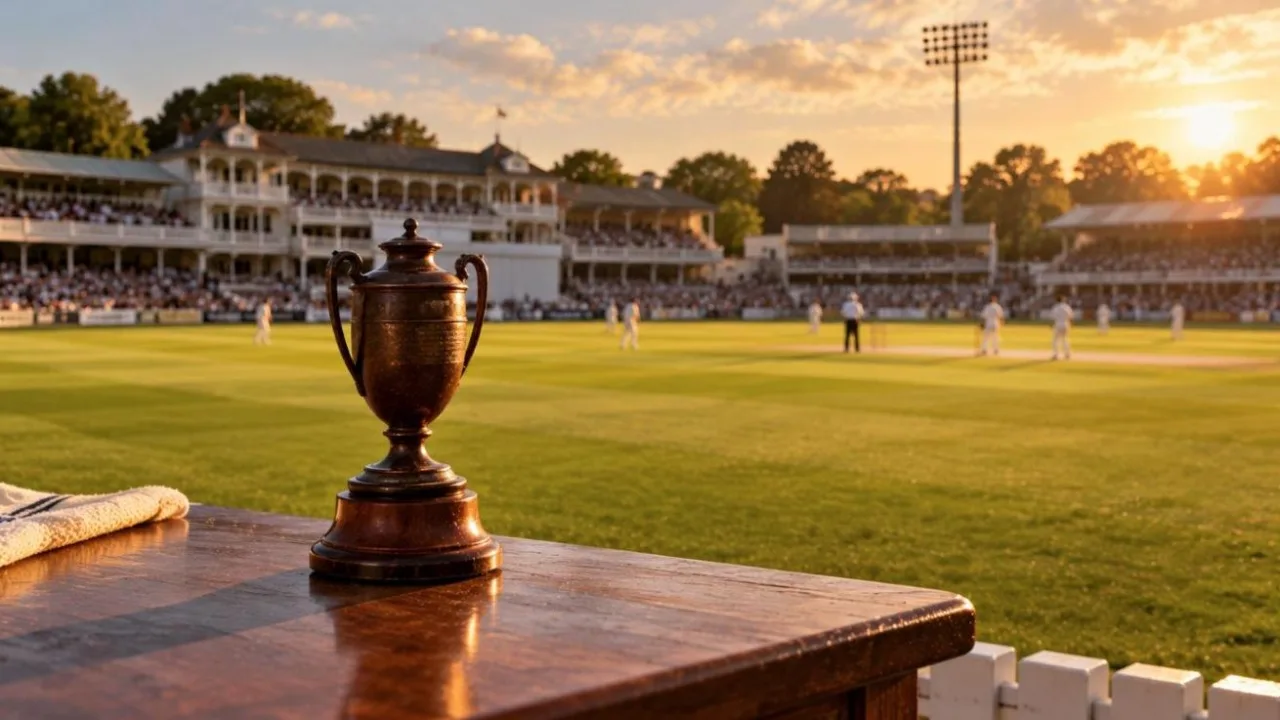
That winter, England captain Ivo Bligh led a team to Australia, promising to "recover those ashes". After England won the series, a small terracotta urn was presented to Bligh, said to contain the ashes of a burnt cricket item, often said to be a bail. The urn is only about 11 centimetres tall.
The original urn is kept at Lord's Cricket Ground in London and rarely leaves. Since the late 1990s a larger crystal trophy has been presented to the winning team.
How the Ashes works
An Ashes series usually consists of five Test matches, each lasting up to five days, held roughly every two years and alternating between England and Australia. The team holding the Ashes keeps them if the series is drawn.
Bodyline (1932 to 1933)
The most controversial series came in 1932 to 1933 in Australia. England captain Douglas Jardine wanted to stop Australia's batting genius Don Bradman. His fast bowlers, led by Harold Larwood, bowled short, fast deliveries aimed at the batsman's body with many fielders on the leg side. The tactic became known as "Bodyline".
Several Australian batsmen were hit, and the series caused a diplomatic row between the two countries' cricket boards. England won, but the laws of cricket were later changed to limit such tactics.
The Bradman era
Don Bradman is widely considered the greatest batsman of all time. His Test batting average of 99.94 remains far ahead of anyone else's. In his final Test innings in 1948, at The Oval, he needed only four runs to finish with an average of 100 but was bowled for a duck. Australia's 1948 team, nicknamed "The Invincibles," went through their tour of England unbeaten.
Classic modern series
- 1981: "Botham's Ashes", when Ian Botham inspired England to an extraordinary comeback at Headingley after following on.
- 2005: often called the greatest Ashes series, with England winning 2 to 1 after dramatic, tight matches, including a two-run win at Edgbaston. It ended a long period of Australian dominance.
- 2019 and 2023: thrilling contests including a famous one-wicket England win at Headingley in 2019, led by Ben Stokes.
Why it matters
The Ashes combines history, national pride and the test of skill and endurance that five-day cricket demands. For players from both countries, winning an Ashes series is often seen as the highest achievement in the game.
In Part 7, we return to tennis and a rivalry of fire and ice: Björn Borg against John McEnroe.
The Greatest Rivalries in Sport: the full series
- Part 1: Federer vs Nadal
- Part 2: Ali vs Frazier
- Part 3: Real Madrid vs Barcelona
- Part 4: Senna vs Prost
- Part 5: Magic vs Bird
- Part 6: The Ashes (you are here)
- Part 7: Borg vs McEnroe
- Part 8: Evert vs Navratilova
- Part 9: Yankees vs Red Sox
- Part 10: Coe vs Ovett
Records, scores and statistics are commonly cited figures and may vary slightly between sources.