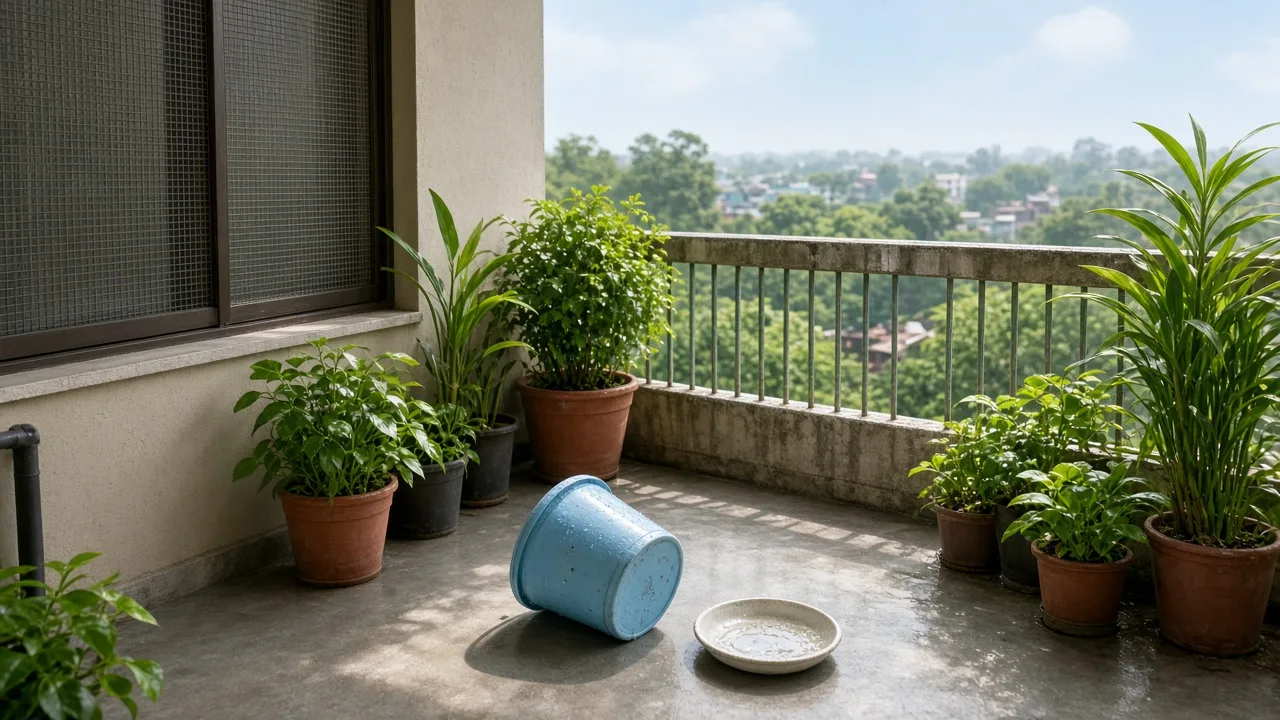
Rain, warmth and humidity create perfect conditions for the mosquitoes that spread dengue, and in much of India the weeks during and after the monsoon are when many families worry most about fever. Most cases of dengue are mild, but a small share become severe, and knowing the warning signs can save lives. Here is a practical guide to what dengue is, what to watch for and how to lower your risk.
What is dengue?
Dengue is a viral infection spread to people through the bite of infected mosquitoes, mainly the Aedes aegypti mosquito. It is sometimes called "break-bone fever" because of the intense body aches it can cause.
The World Health Organization says about half of the world's population is now at risk, with an estimated 100–400 million infections each year. Reported cases have risen dramatically: from about 505,000 cases reported to WHO in 2000 to 14.6 million in 2024, a record year that also saw more than 12,000 dengue-related deaths. WHO says climate change, with higher temperatures, heavy rainfall and humidity, is one of the factors behind its spread.
The Aedes mosquito bites mainly during the day and breeds in clean, still water, such as in coolers, flower pots, buckets, old tyres and water tanks.
Common symptoms
Many people with dengue have no symptoms at all. When symptoms occur, WHO says they usually begin 4–10 days after the bite and last 2–7 days. They may include:
- sudden high fever
- severe headache, often at the front of the head
- pain behind the eyes
- muscle and joint pains
- nausea and vomiting
- swollen glands
- a rash
India's National Center for Vector Borne Diseases Control (NCVBDC) also lists loss of taste and appetite, and a measles-like rash on the chest and upper limbs. Most people recover within one to two weeks, although tiredness can linger for several weeks afterwards.
Warning signs of severe dengue
The most important thing to know is that severe dengue often develops after the fever has gone down, just when families may think the worst is over. According to WHO, warning signs include:
- severe abdominal pain
- persistent vomiting
- rapid breathing
- bleeding gums or nose
- blood in vomit or stool
- extreme tiredness or restlessness
- being very thirsty
- pale, cold skin
- feeling weak
Anyone with these signs needs medical care immediately. Go to a hospital rather than waiting to see if things improve. People who have had dengue before are at greater risk of severe dengue if they are infected again.
Testing and treatment
If you have a fever during dengue season, especially with body aches or pain behind the eyes, see a doctor. Blood tests can detect the virus or its proteins in the first week of illness, and doctors often monitor blood counts during the illness.
There is no specific antiviral treatment for dengue. Care focuses on rest, fluids and close monitoring. A few points matter:
- Avoid ibuprofen and aspirin. WHO advises against non-steroidal anti-inflammatory medicines such as these because they can increase the risk of bleeding.
- Ask a doctor about fever and pain relief. WHO notes that pain can be managed with paracetamol, but follow your doctor's or pharmacist's advice on how much to take, particularly for children.
- Drink plenty of fluids, unless a doctor tells you otherwise.
- Do not self-medicate with antibiotics. They do not work against viruses.
Severe dengue usually needs hospital care, and early treatment greatly lowers the risk of death.
How to prevent dengue at home
Prevention depends on stopping mosquitoes breeding and avoiding bites. NCVBDC and WHO recommend:
- Empty and clean water containers such as coolers, buckets and flower-pot trays at least once a week.
- Cover water storage tanks and containers tightly.
- Clear rubbish where water can collect, such as old tyres, coconut shells and plastic containers.
- Wear clothes that cover arms and legs, especially for children playing outdoors.
- Use mosquito repellents, screens and nets, including for daytime naps, since Aedes mosquitoes bite during the day.
- Protect people who are already ill from further mosquito bites, so they do not pass the virus on. WHO says mosquitoes can pick up the virus from an infected person from up to two days before symptoms start to about two days after the fever ends.
Community effort matters too. One neighbour's water-filled container can affect the whole street, so housing societies and residents' associations can help by organising regular clean-ups.
When to see a doctor
See a doctor promptly if:
- you have a high fever during dengue season
- a baby, older adult, pregnant woman or someone with a long-term illness develops fever
- any warning sign appears, especially after the fever settles
- someone becomes drowsy, confused or unable to keep fluids down
FAQ
Is dengue contagious from person to person? Not through normal contact. It spreads mainly through mosquito bites, although WHO notes rare cases of transmission from mother to baby and through blood products.
Can you get dengue more than once? Yes. There are different types of dengue virus, and a second infection carries a higher risk of severe disease.
Does papaya leaf juice cure dengue? There is no specific cure for dengue. Do not rely on home remedies in place of medical care, and tell your doctor about anything you are taking.
How long does dengue last? Symptoms usually last 2–7 days, and most people recover within one to two weeks.