As of about 8:30 AM IST, Tuesday 17 November 2026. Based on Anthropic's updated IPO filing as reported by CNBC, TechCrunch and Axios, and reporting by Reuters, Bloomberg (via The Next Web) and Business Insider.
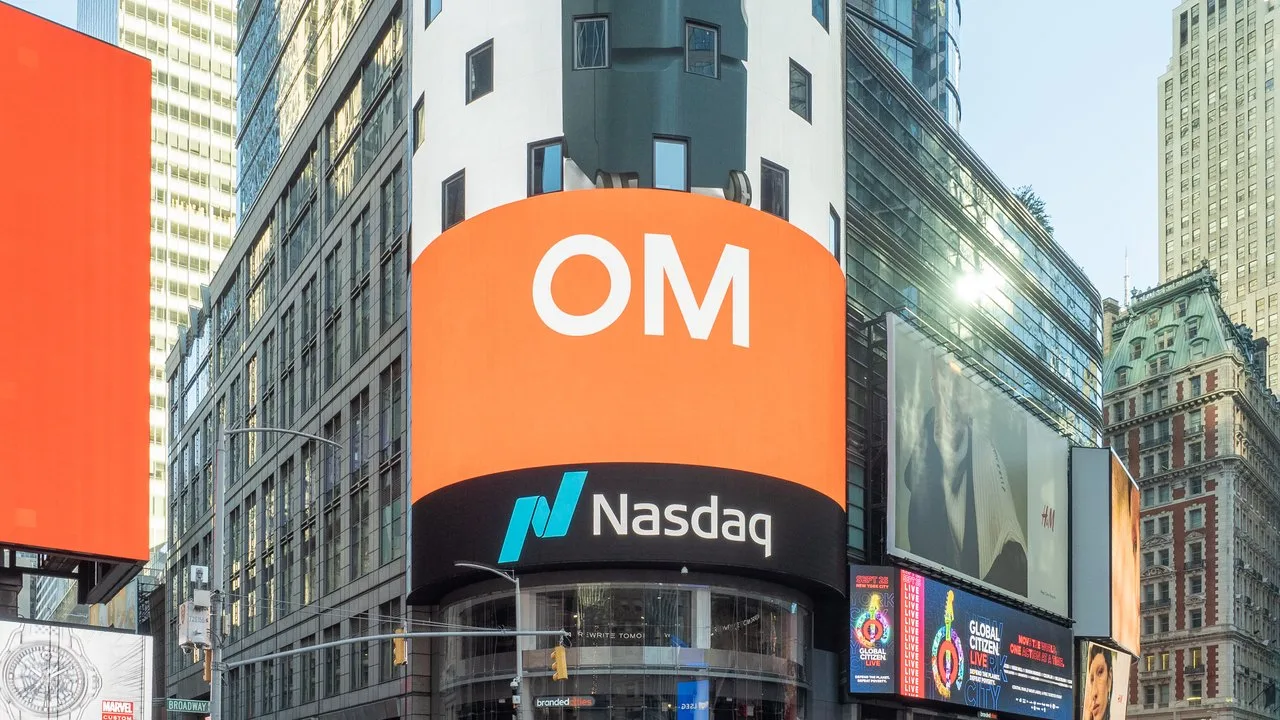
Anthropic's initial public offering, which could be the largest share sale ever, enters its final days at an awkward moment. The Claude maker is expected to price its shares on Wednesday evening, 18 November, U.S. time, and begin trading on the Nasdaq under the ticker "ANT" on Thursday, 19 November, CNBC reported. In India that means pricing news on Thursday morning and the first trades after the U.S. market opens at about 8 PM IST on Thursday.
Demand from big investors looks strong. Markets around it do not. On Monday, AI-linked stocks sold off sharply ahead of Nvidia's quarterly results, due after the U.S. close on Tuesday. That leaves Anthropic's debut as a live test of how much investors are still willing to pay for the AI boom.
The deal in numbers
According to its updated filing on 10 November, Anthropic is offering 825 million Class A shares at $70 to $78 each. That would raise between $57.75 billion and $64.35 billion, TechCrunch reported. At the top of the range, the company would be worth about $1.405 trillion on a fully diluted basis, which counts all shares that could eventually exist, including stock options. Axios noted that on shares actually outstanding after the IPO, the figure is closer to $1.03 trillion, which is why reported valuations differ.
Alongside the IPO, Anthropic agreed to sell $26 billion of non-voting Class N stock at the IPO price in a private placement to AMD, Broadcom, Google, Micron, Microsoft, Nvidia and TSMC. Google and Nvidia are each putting in $10 billion. Anthropic estimates total net proceeds of $84.6 billion to $93.7 billion, the higher figure if underwriters led by Goldman Sachs and Morgan Stanley use their option to buy 123.75 million extra shares. Counting the placement, Bloomberg reported that Anthropic and some backers could raise up to $90.4 billion, enough to make it the biggest listing on record.
The valuation is a big step up from the $965 billion Anthropic was valued at in a May funding round, but below the $2 trillion it was reportedly targeting a couple of months ago. Up to 20% of the shares are expected to go to retail investors, well above the usual 5% to 10%, CNBC reported.
Strong demand from institutions
The order book has grown quickly. Reuters reported that orders reached about twice the shares on offer after the first day of the roadshow and about six times by Thursday, 12 November, citing people familiar with the deal. Bloomberg reported on Sunday that orders were close to seven times the shares available, according to The Next Web. Banks expect to close the book on Tuesday. Bankers told Reuters the demand was impressive given the size of the deal, even though a single-digit subscription rate would be modest for a smaller IPO.
Not every buyer is welcome. Bloomberg reported that banks turned away orders from institutions in mainland China and Hong Kong, with U.S. defence-trade rules cited as part of the reason by some of its sources.
What investors are being asked to believe
The filing shows a company growing fast and spending even faster. Anthropic said its annualised run-rate revenue reached $81 billion by the end of October, about $10 billion more than a month earlier. Third-quarter revenue was $17 billion and nine-month revenue $33.2 billion, TechCrunch reported. Over the same nine months it reported a net loss of $104 billion. Its compute and infrastructure commitments stood at $900.9 billion, against nearly $132 billion of cash and short-term investments.
That gap explains why valuation models lean on the future. Banks estimate Anthropic's 2028 revenue at about $270 billion to $280 billion, two people told Reuters, while one investor who passed on the deal uses a figure about 30% lower. Goldman Sachs does not expect positive annual free cash flow until 2030, Bloomberg reported. Chief executive Dario Amodei acknowledged the tension at a JPMorgan event last week: "Compute is the deepest business dilemma that the company faces," he said, according to Business Insider.
Roadshow investors also questioned whether Anthropic can keep its lead as Google and others catch up, and whether Claude can win beyond coding, Reuters reported. One investor said the company had not given detailed answers to some questions.
A shaky backdrop for AI stocks
The broader market has turned against AI names. On Monday the S&P 500 fell 1.92% to 7,416.59 and the Nasdaq Composite lost 2.49%, while U.S. chipmakers dropped 5.3%, Reuters reported. Nvidia fell 4.1% and is down nearly 24% this month, partly because of Jensen Huang's departure as chief executive. Business Insider said selling picked up after Federal Reserve Chair Kevin Warsh described a scenario in which AI disappoints and falling stock prices trigger a downturn.
Rates add pressure. The dollar touched a 19-month high and the 10-year Treasury yield sat near 5.13% on Monday, with futures pricing a Fed rate rise in December after hot inflation data such as October's producer prices. Higher rates make distant profits worth less today, which hits long-duration growth stocks hardest. The Fed has also flagged the debt behind the AI build-out in its latest Financial Stability Report.
Nvidia's results are the first hurdle
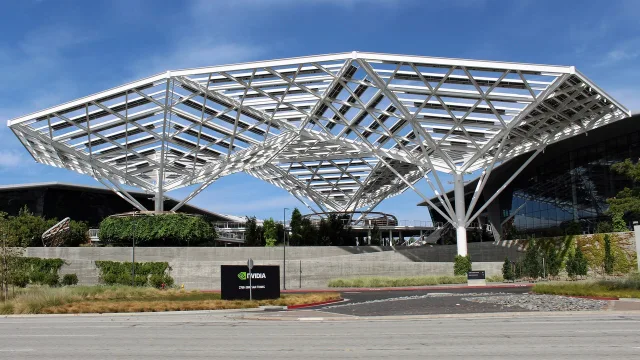
Before Anthropic prices, Nvidia reports. Analysts expect fiscal third-quarter revenue of about $109 billion and earnings growth of 90%, according to LSEG data cited by Reuters, and investors want to know whether new management will stick to its bullish outlook. "Together, we expect NVIDIA's results and Anthropic's market debut to provide important tests of whether investor enthusiasm for AI continues to be supported by earnings growth and demand for public-market exposure," Brian Therien of Edward Jones wrote in a note quoted by Business Insider. A weak Nvidia report could push Anthropic towards the bottom of its range; a strong one could support a higher price.
Governance: limited say for public shareholders
Anthropic is a public benefit corporation, and its structure keeps control with insiders. Its founders hold Class F shares carrying 50.1% of voting power, and its Long-Term Benefit Trust elects a majority of the board, so Class A buyers will have limited influence, TechCrunch reported. Seven co-founders, including Dario and Daniela Amodei, each plan to sell nearly 3.4 million shares, worth about $250 million each at the midpoint. Investors used to the debate over SpaceX's valuation will recognise the pattern: a founder-controlled company asking public markets to price a long-term story.
What it means for investors
Three things will matter this week: Nvidia's numbers on Tuesday, the final IPO price on Wednesday and Thursday's first-day trading. A price at or above the range would suggest investors still see room for AI growth. A cut or a weak debut would add to worries explored in our look at whether AI is a bubble. Either way, first-day moves in big IPOs can be volatile, and the high retail allocation means many individual investors will be exposed to that swing.
Disclaimer: This article is for general information only and is not financial or investment advice. IPO prices, share prices and valuations can change quickly, and newly listed stocks can be especially volatile. Please consult a qualified financial adviser before making any investment decisions.
Sources
- CNBC: Anthropic IPO guide: Everything you need to know
- TechCrunch: Anthropic sets IPO price range of $70 to $78 per share
- Axios: Anthropic seeks to be valued at more than $1 trillion
- Reuters, via Investing.com: Investors flock to Anthropic IPO but question durability of AI lead
- Reuters, via Euronext: Stocks end lower ahead of Nvidia earnings and Anthropic IPO
- Business Insider: A struggling AI trade is dragging stocks lower ahead of Anthropic's mega-IPO
- The Next Web: Anthropic's IPO draws more demand than SpaceX's ahead of Thursday's debut
Featured image: The Nasdaq MarketSite at 4 Times Square, New York, 19 September 2021 (file photo), ajay_suresh, CC BY 2.0, via Wikimedia Commons (cropped).