The Unit Economics Every Founder Should Know: CAC, LTV, Payback and Margin
Before you spend on growth, know what a customer costs and what one is worth. Five numbers, worked examples in dollars and rupees, and the traps to avoid.
Startups, pricing, marketing and leadership — practical lessons from people building companies right now.
Before you spend on growth, know what a customer costs and what one is worth. Five numbers, worked examples in dollars and rupees, and the traps to avoid.
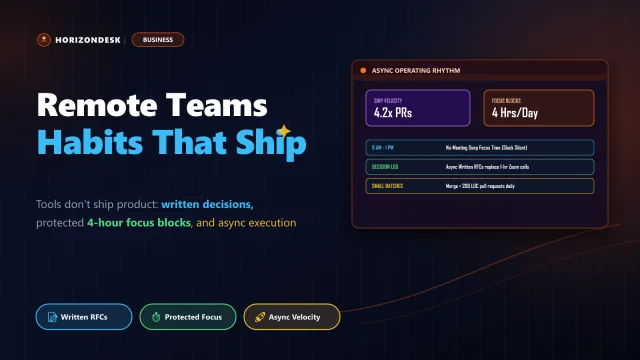
Slack, Zoom and a project board do not make a remote team productive. Written decisions, protected focus time and small visible work do. A practical playbook.
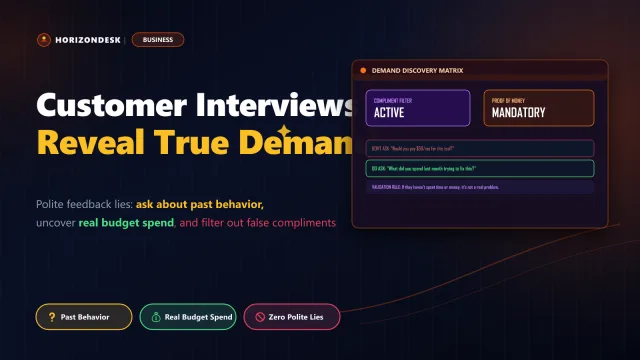
People are polite in interviews, which makes most feedback useless. Five questions about past behaviour that cut through the niceness and point to real demand.
The right choice depends less on cost and more on how long the need lasts and how much context the work requires. A practical framework to decide.
Most referral programs fail quietly because the incentive, the timing, or the ask is wrong. Here is how to design one people actually use.
Delegating is not about letting go of everything at once. A leveled approach lets founders hand off work while keeping outcomes on track.
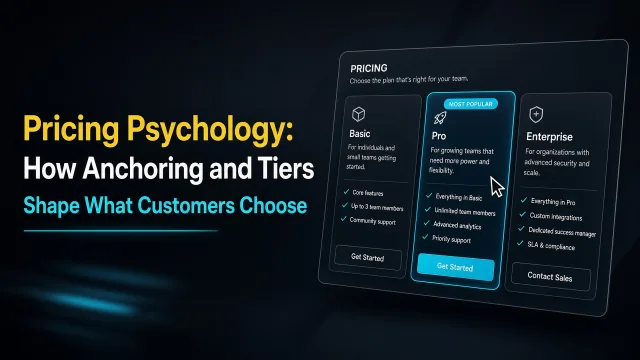
Price is never judged in isolation. A look at anchoring, the decoy effect, and framing, and how to use them honestly in pricing design.
Most cold emails fail before they are even read. A practical look at research, structure, and follow-up that gets a response instead of silence.
Losing customers quietly costs more than most founders realize. A practical look at why customers leave and what actually brings churn down.
OKRs can bring real focus to a small team, or become another layer of bureaucracy. Here is how to keep them lightweight and useful.
A strong brand is built through consistent small decisions, not expensive campaigns. Here is where to focus limited resources.
General principles for reading contracts carefully and negotiating fairly, before you sign something that locks you in for years.