As of about 9:00 AM IST, Saturday 31 October 2026. This is a fast-moving story; claims that could not be independently verified are flagged as such.
Qatari mediators spent more than 12 hours in talks in Tehran on Friday 30 October in a push for a US-Iran deal, and the talks are due to continue in Doha on Saturday. At the same time, reports that Washington is preparing a new round of strikes after the 3 November US midterm elections, fresh attacks on shipping around the Strait of Hormuz and Brent crude at a six-month high are keeping pressure on both sides.
Marathon talks in Tehran, next stop Doha
Axios reported (about 6:40 AM IST on Saturday) that the Qatari team held talks in Tehran for more than 12 hours and stayed in regular contact with the White House. "There was positive progress. Talks are still ongoing in an effort to unlock a deal between the U.S. and Iran," a diplomatic source told Axios. Iranian negotiators were expected to travel to Doha for the next round on Saturday.
The core dispute is sequencing. Washington wants nuclear concessions up front. Tehran wants the US naval blockade lifted, frozen funds released and oil sales allowed first. According to the reports, Qatar is urging Iran to let UN inspectors visit its bombed nuclear sites in return for some sanctions relief.
Qatar presented a draft plan on Sunday 25 October, which a senior Iranian official told Reuters contained "unacceptable" ideas. Saudi outlet Al Hadath has reported that the draft includes reciprocal nuclear and sanctions steps, direct talks and a reopening of Hormuz within seven days. HorizonDesk could not independently confirm those details.
What Trump is saying
In a radio interview with KCMO on Friday, President Donald Trump said the conflict was "going to get wrapped up soon" and that "We need a guarantee there'll never be a nuclear weapon." He also said: "There are talks. They want to talk. They keep talking ... We have time, frankly. It's a war, but it is not a typical war." At a rally in Florida he said: "America did not start the war with Iran."
Strike plans after the midterms, unconfirmed
MS NOW, citing three Gulf Arab officials, reported that Trump plans to resume strikes after the midterms and that allies have been briefed on a "short, intense round" that could come as soon as 4 November. Trump has said he would not strike before the 3 November vote. The White House said only that the president "keeps all options on the table". A third US carrier strike group is reported to be heading to the region.
Axios described a split in the administration. Defence Secretary Pete Hegseth and Secretary of State Marco Rubio are said to be sceptical of a deal, while Vice President JD Vance, envoy Steve Witkoff and Jared Kushner favour talks. Treasury Secretary Scott Bessent is reported to be urging more time for economic pressure. Israeli Prime Minister Benjamin Netanyahu is said to be lobbying for a joint operation soon after the US election, while the Saudi and Turkish leaders have urged more time. Iran has vowed to hit Gulf oil and gas sites if its own energy infrastructure is struck.
Separately, Iran's Tasnim news agency said Tehran has not replied to a letter from Vance to Mohsen Rezaei; Trump said the letter was about medical supplies. An Iranian lawmaker, Alireza Salimi, said a bill to withdraw from the Nuclear Non-Proliferation Treaty has been drafted and is before parliament.
Shipping: attacks and claims around Hormuz
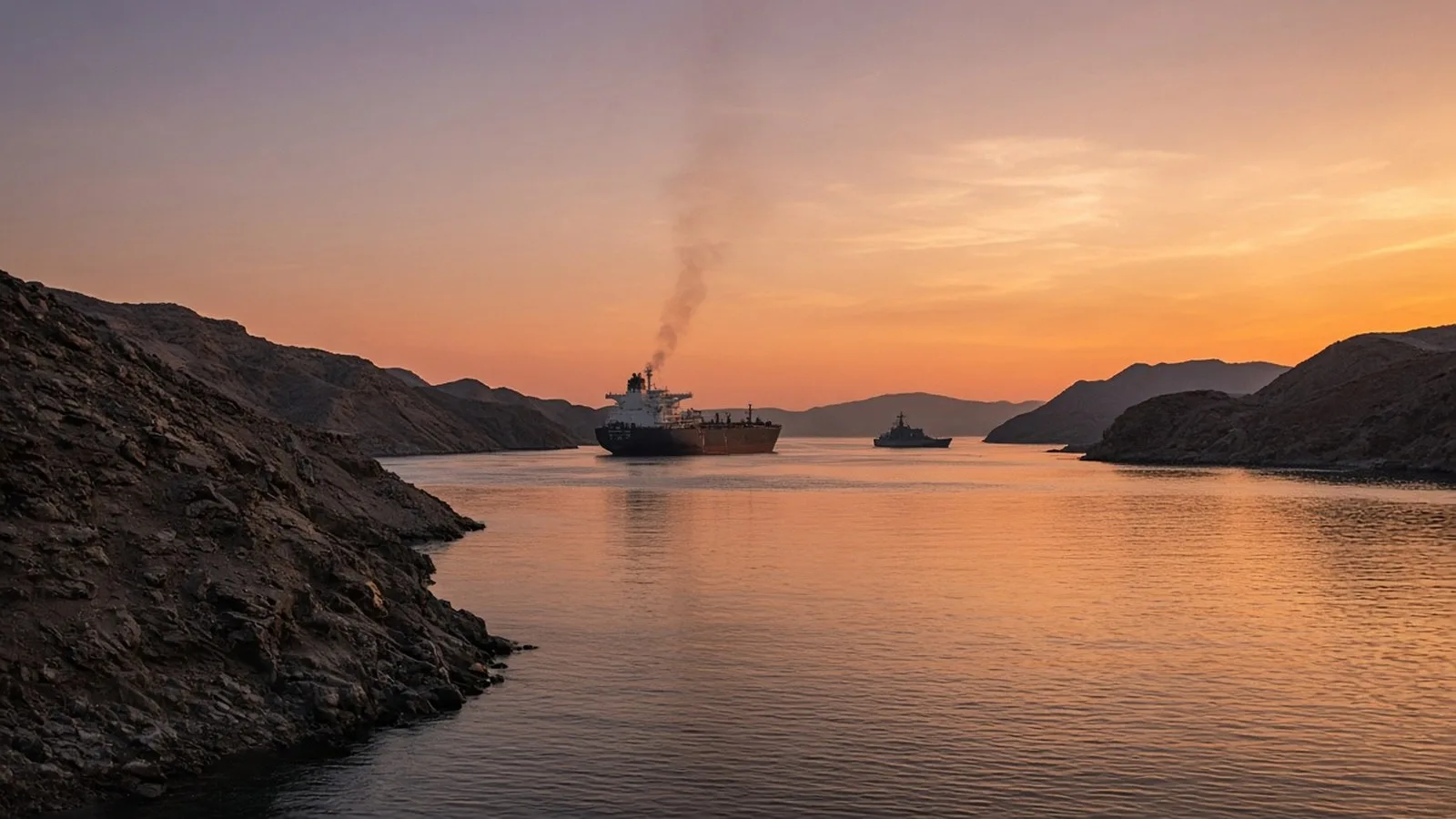
- Limpet-mine attack (confirmed by UKMTO): on Thursday 29 October a tanker was hit by limpet mines about 25 nautical miles northeast of Khasab, Oman. Maritime sources named it as the Panama-flagged Louise 1. An engine-room fire was put out, the crew were safe and the ship resumed its voyage. gCaptain described it as the first successful limpet-mine attack since the war began in February.
- Further incidents: UKMTO also reported a crude tanker struck by an unknown projectile on an outbound transit, and a vessel hit about 40 nautical miles south of Lavan Island, with a fire on board but the crew safe and no environmental impact.
- Iranian claims (unverified): the navy of the Islamic Revolutionary Guard Corps said four tankers on "unauthorised routes" caught fire or exploded on Friday, including one carrying more than 2 million barrels of crude that hit a mine. Reuters said it could not verify the claim.
- The US view: US Central Command chief Adm. Brad Cooper has said Iran's navy is "at the bottom of the sea" and that the southern shipping lanes are clear.
UKMTO's weekly overview, covering the week to 30 October, said traffic through the strait remains about 70% below pre-war levels, with 122 outbound and 155 inbound transits. It has recorded 88 incidents since 28 February and rates the threat level as "severe".
Oil and the wider reaction
Brent crude settled at $117.64 a barrel on Friday, up $2.76 or 2.4%, its highest close since late April, while US WTI settled at $104.12. Brent gained 13.6% in October. In Seoul, German Chancellor Friedrich Merz said the conflict "cannot be resolved militarily" and that higher energy prices have cost Europe more than EUR 100 billion over eight months. Pakistan, which has also acted as a mediator, said it was "cautiously optimistic".
What to watch
- Whether Iranian negotiators arrive in Doha on Saturday and whether any framework is announced before the 3 November midterms.
- Any official US confirmation, or denial, of strike timing after the vote.
- New UKMTO advisories on Hormuz, and the oil price when markets reopen on Monday.
Related reading on HorizonDesk
- The Mecca Pact: Saudi, Turkey and Pakistan push Iran talks
- US and Israel draw up plans for new Iran strikes after the midterms
- Iran rules out handing over enriched uranium
- Brent crude near $110 on Houthi attacks and Hormuz risk