As of 2:52 PM IST, Saturday 24 October 2026. Based on the White House proclamation fact sheet dated 23 October 2026 and reporting by AP, Lesprom and others. Product-level detail comes from the published annexes as summarised by trade press. Importers should check the official tariff lines before acting.
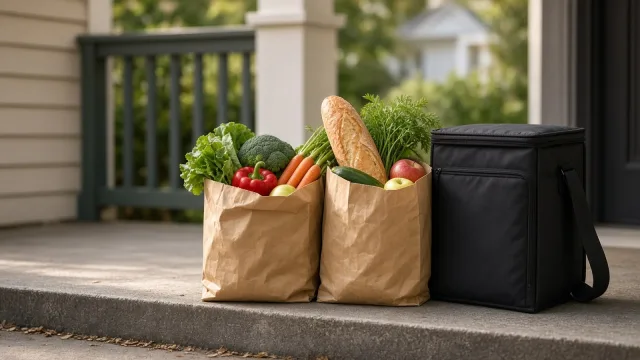
US President Donald Trump has changed which Canadian goods face his 50% Section 338 tariffs. He took some packaging, paper, plywood and machinery products off the list and added others, including certain valves, carpets, flooring and waste products. The proclamation was signed on Friday, 23 October (US time), which was the early hours of Saturday in India. The changes take effect on 30 October 2026, days before the US midterm elections on 3 November. AP reported that the move was designed partly to help Republican Senator Susan Collins of Maine, who is in a tight re-election race and had lobbied for relief.
What changed
According to the White House fact sheet, the proclamation amends Proclamation 11048. That is the order imposing additional duties to offset what Washington calls Canadian discrimination against US commerce in motor vehicles. It refines the product scope first announced on 20 July 2026 and already amended on 8 September 2026.
| Removed from the 50% list | Added to the 50% list |
|---|---|
| Plywood sheets (Lesprom: thin hardwood plywood up to 6 mm) | Certain valves |
| Some paper products, including coated paperboard and paper sacks (Lesprom) | Carpets and vinyl flooring (Lesprom) |
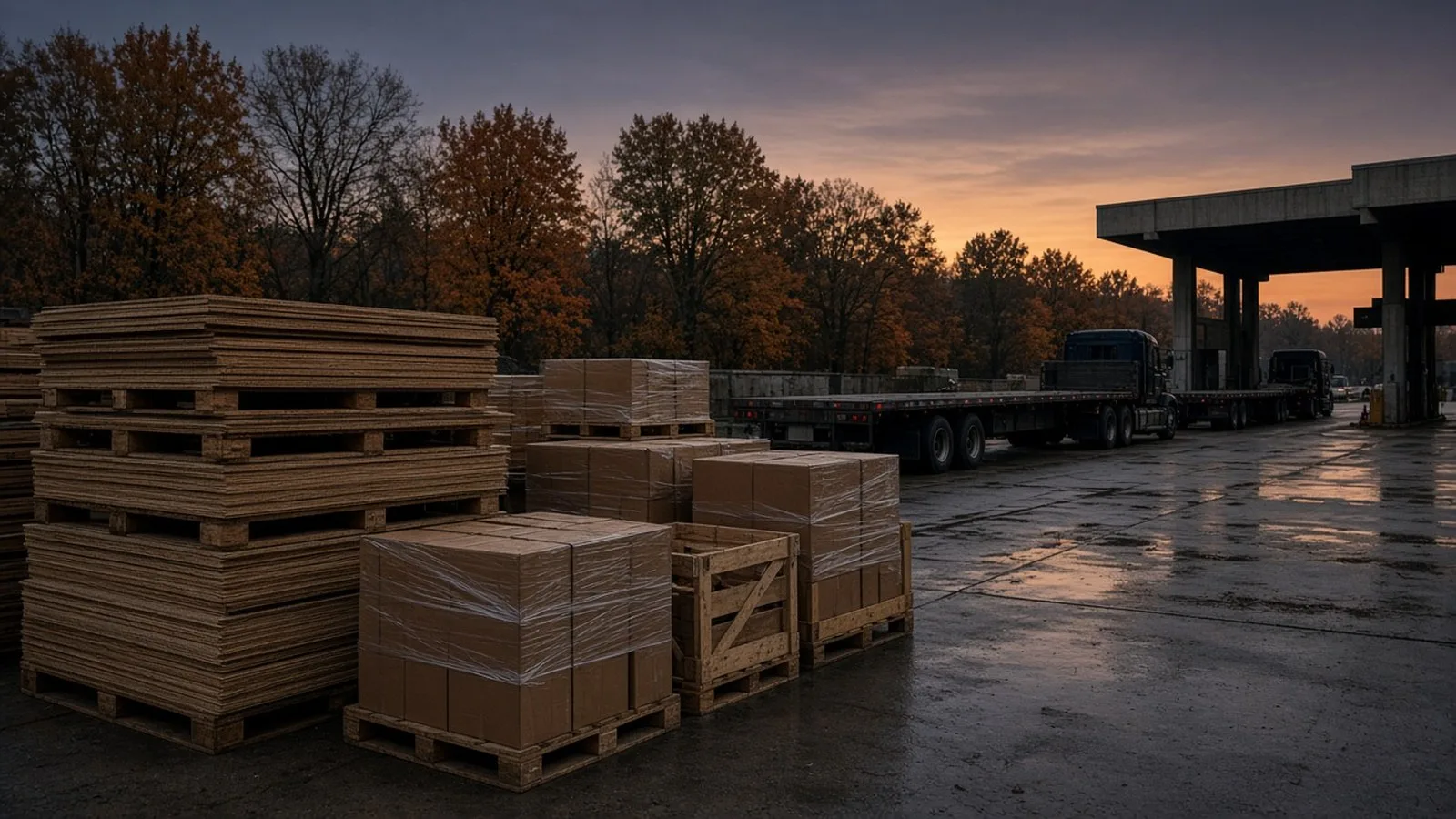
| Packing crates, corrugated cartons and boxes | Thin MDF, hardboard, engineered wood flooring and wooden packing boxes (Lesprom) |
| Certain machinery and refrigeration equipment, including packaging and produce-sorting machines (Lesprom) | Waste products, kraft and coated papers, paints and "others" (White House, Lesprom) |
The White House says the tariffs apply to covered goods whether or not they qualify under the US–Mexico–Canada Agreement (USMCA), and that they come on top of any Section 232 tariffs. Lesprom notes that goods already subject to Section 232, such as softwood lumber, are not covered by the Section 338 duties.
How big is the swap?
Lesprom, citing US Census Bureau data, says US imports in 2025 of the thin hardwood plywood now removed were about $119.4 million, while the wood products added (mainly flooring, MDF, hardboard, wooden boxes and mouldings) totalled about $227.5 million. Lesprom also cites a Wall Street Journal estimate that the swap keeps the value of Canadian goods under the 50% duty at about $20 billion, roughly 5% of Canada's exports to the US. HorizonDesk has not independently checked these figures.
The Maine connection
Collins faces Democratic challenger Troy Jackson. She said she had spoken with US Trade Representative Jamieson Greer and Commerce Secretary Howard Lutnick "about the toll tariffs are taking on Maine families, businesses, farmers, and growers", AP reported.
"Many of our farmers and growers rely on specialized equipment, packaging materials, and other products from Canada that are either unavailable from American suppliers or cannot be replaced without incurring significant expense." — Sen. Susan Collins, via AP
Her office cited Maine's wild blueberry growers, who need specialised harvesting boxes from Canada that fit their processing equipment. Collins said she would keep seeking "additional relief from tariffs" and a broader trade agreement with Canada.
Democrats called it election politics. Senator Ron Wyden, the top Democrat on the Senate Finance Committee, said: "Trump's desperate, 11th hour attempt to save Susan Collins' political career is an admission that American voters are rejecting his toxic tariff policies." The White House framed the change as a way to keep "effectively offsetting the burden to U.S. commerce while better serving the public interest".
How the US–Canada trade fight got here
- Summer 2026: The White House says Canada "walked away from a near-final trade deal" and imposed retaliatory tariffs on about $20 billion of US exports. Washington responded with Section 338 actions, a Depression-era provision of the Tariff Act of 1930.
- 20 July: The 50% tariffs on a list of Canadian goods were announced. Lesprom says they took effect on 22 August after a three-day suspension.
- Canada's response: AP says Canada matched the US move dollar for dollar with tariffs of 15% to 50% on American products.
- 8 September: The first change to the product scope.
- Last month: AP reports that the US imposed an outright ban on about $1 billion of Canadian imports, including alcoholic beverages, dairy products and motorcycles.
- 23 October: Today's product swap, effective 30 October.
HorizonDesk had not seen an official response from Ottawa to the latest proclamation at the time of writing.
Who pays
As AP notes, tariffs are paid by US importers, not foreign governments. Importers must either pass the cost on to customers or absorb it. An AP-NORC poll of 2,140 US adults conducted on 24–28 September found that 65% blame Trump's policies, more than outside factors, for persistently high prices. Rising petrol prices linked to the Iran war are adding to cost-of-living concerns. For more on that, see our report on US–Israel strike plans and the Hormuz tanker attacks and our explainer on US Treasury yields above 5%.
What it means for businesses
- US buyers of Canadian plywood, packaging and some machinery could see their landed costs fall for shipments entering on or after 30 October, depending on how the exact tariff lines apply to their goods.
- Importers of Canadian flooring, MDF, valves, carpets and kraft paper face a new 50% duty from the same date. Some may try to bring shipments forward or look for other suppliers.
- Indian and other exporters of products such as flooring, valves or paper to the US could, in theory, see more demand if American buyers switch away from Canadian supply. That depends on the other tariffs those countries face. For India's own negotiations, see our report on the first phase of the India–US trade deal.
What is still unclear
- The full list of tariff codes added and removed. Businesses should check the official annexes on whitehouse.gov.
- Whether Canada will adjust its own retaliatory tariffs.
- Whether more exemptions follow before the 3 November midterms.
Sources
- The White House: Fact Sheet on the further modification of Canadian products subject to Section 338 tariffs (23 Oct 2026)
- The White House: Proclamation further modifying the scope of products of Canada subject to additional duties
- AP via PBS NewsHour: Seeking to help Collins in Maine, Trump exempts some Canadian imports from his 50% tariffs
- AP News: Trump exempts some Canadian imports from his 50% tariffs
- Lesprom: U.S. lifts 50% tariff on some Canadian plywood and packaging, adds MDF and flooring
- The Hill: Susan Collins says certain Canadian goods now tariff-exempt