For years, the biggest complaint about electric cars has been simple: they cost too much. The first wave of EVs leaned towards large, expensive models with big batteries. October 2026 brought fresh evidence that the industry is changing course, with a run of announcements focused on smaller, cheaper electric cars aimed at everyday buyers.
Here's a look at the most notable models, the engineering choices that make lower prices possible and what to check before you buy.
The new contenders
Hyundai Ioniq 3
Hyundai's compact electric hatchback opened for orders in the UK on 13 October, with cars expected at retailers this month, Drive Electric reported. It comes with a choice of 42 kWh and 61 kWh batteries, and Hyundai quotes a maximum range of 308 miles with the larger pack. Its streamlined shape is designed to improve aerodynamic efficiency. That's how many affordable EVs stretch range without fitting a bigger, costlier battery.
Dacia Spring, second generation
Dacia's budget runabout has been reinvented for its second generation. According to Autocar, it's based on the new Renault Twingo, will be built in Europe rather than China and is pitched as a sub-£18,000 EV with a range of around 155 miles. That's a car designed squarely for commuting and city driving.
Citroën 2CV
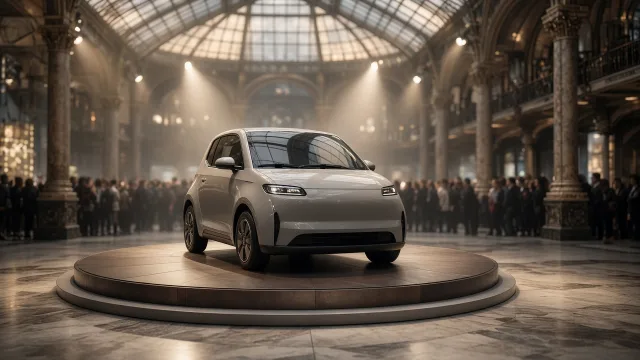
Revealed as a concept at the Paris Motor Show, the electric 2CV is promised to start below £15,000 when it reaches production, expected to be shown at the 2028 Paris show. Citroën's chief executive says it shares the original's mission of affordable transport for the masses.
Ford's Universal EV Platform
Across the Atlantic, Ford plans to start mass production on its new Universal Electric Vehicle (UEV) platform in 2027. The first model is an electric pickup, reportedly called the Fathom, expected to cost around $30,000 before tax in the US, Latest EV News reported. Ford aims to compete with Chinese manufacturers by using a smaller battery, more efficient components, new production methods and more in-house manufacturing.
Chinese challengers
Brands such as Leapmotor are expanding fast with small electric hatchbacks. Its new B03, shown in Paris, targets the same buyers as the Renault 5.
How carmakers are bringing prices down
- Right-sized batteries. The battery is the single most expensive part of an EV. Offering smaller packs for buyers who mostly drive locally cuts cost sharply.
- Better efficiency. Slippery shapes, efficient motors and lighter construction squeeze more miles from each kilowatt-hour.
- Simpler manufacturing. Shared platforms, fewer parts and new assembly methods lower the cost of building each car.
- Local production. Building cars closer to where they're sold reduces shipping costs and exposure to tariffs.
Cheaper EVs don't come from one breakthrough. They come from dozens of sensible engineering decisions that add up.
What to check before buying an affordable EV
- Real-world range for your driving. Official figures are measured under test conditions. Expect less in cold weather and at motorway speeds, and choose a battery that covers your typical week comfortably.
- Charging speed. Smaller, cheaper EVs sometimes charge more slowly on rapid chargers. If you take long trips, check the maximum charging rate and typical 10–80% time.
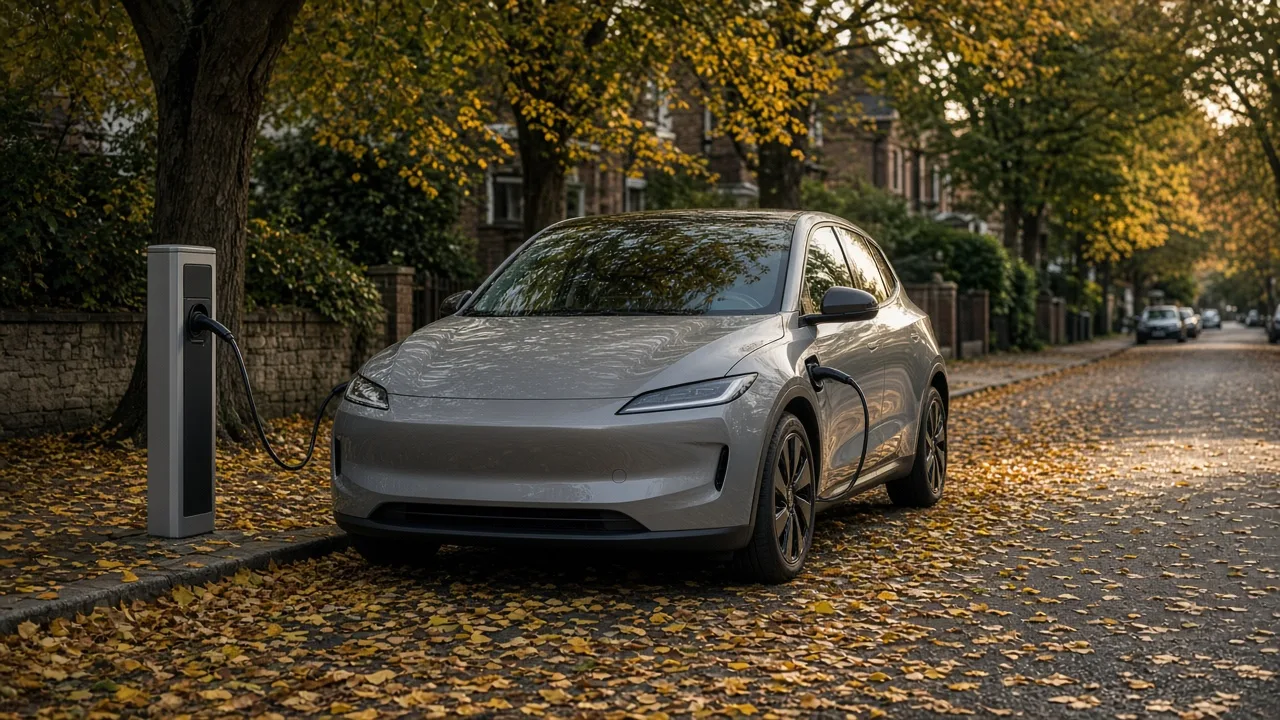
- Home charging options. Cheap EVs make the most financial sense when you can charge overnight at home or work.
- Total cost of ownership. Compare insurance, servicing, energy and expected resale value, not just the sticker price.
- Warranty on the battery. Look for the length and mileage covered, and the minimum battery capacity guaranteed.
- Incentives where you live. Many governments offer grants or tax breaks for EVs, but rules and eligibility vary widely and change often.
Questions to ask at the dealership
- Which battery size is the advertised price for, and what does the bigger battery cost?
- Does the car have a heat pump, which helps preserve range in cold weather?
- What's the realistic delivery date for the version I want?
- Are software updates free, and for how long?
- Which charging cable and adapter come with the car?
Small details like these can make a big difference to how happy you are with an affordable EV over several years of ownership.
Is it worth waiting?
If your current car is reliable and you're not in a hurry, waiting a year or two will probably bring more choice and keener prices as these models arrive and competition increases. If you need a car now, today's affordable EVs and the used EV market already offer good value, especially for drivers who mostly cover short distances.
Don't overlook used EVs
The new affordable models will also push down prices of older electric cars. A used EV with a battery health report can be excellent value, particularly for city driving. Ask for a battery state-of-health check, confirm how much battery warranty remains and make sure the charging port suits the public chargers near you.
The bigger picture
The shift towards affordable EVs matters beyond individual budgets. Electric cars only make a dent in emissions and fuel costs if ordinary households can buy them. Pricier early models proved the technology; this new wave is about making it accessible. Watch for whether carmakers can deliver these prices at scale, on time and without cutting corners on quality. That will be the real test.
The takeaway
From compact hatchbacks to a budget pickup, the industry's focus is moving firmly towards price. Not every car announced will arrive on schedule or at the promised price, but the direction is clear: smaller batteries, smarter engineering and more competition are making electric driving affordable for many more people.