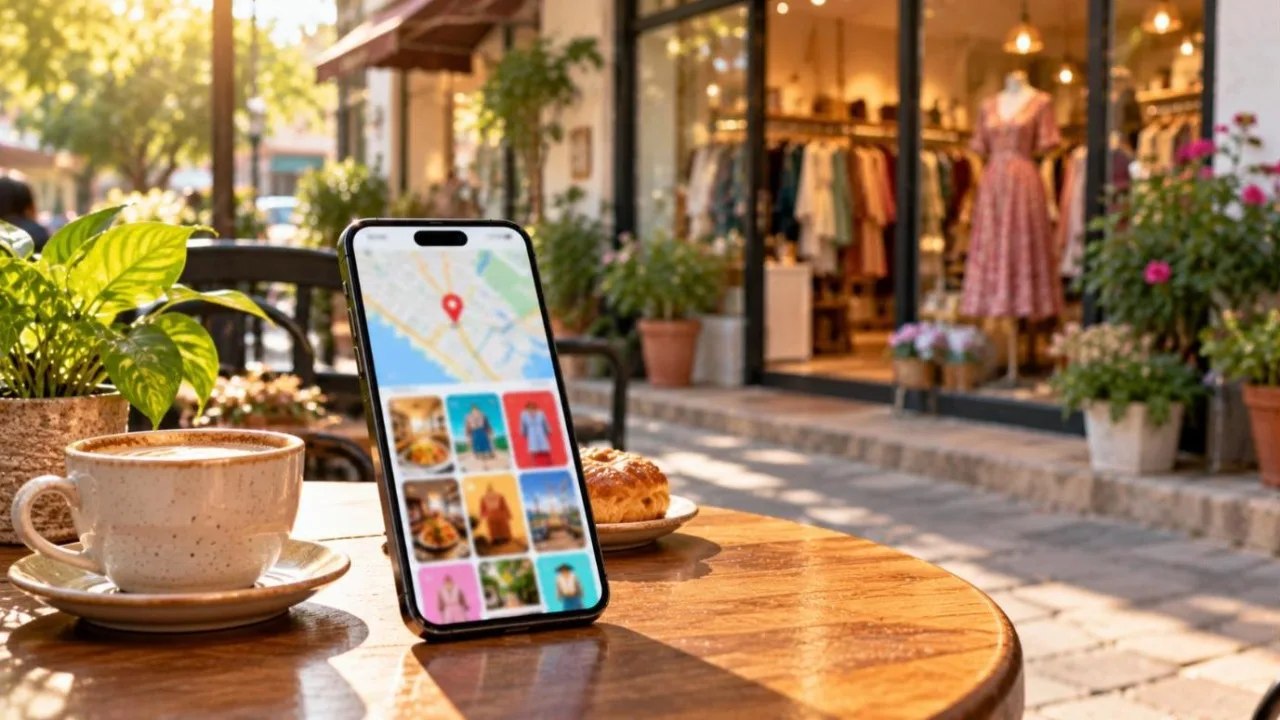
A great product is only half the battle; people need to find you. The good news is that many of the most effective marketing tools for small Indian businesses are free or low-cost.
1. Set up a Google Business Profile
When people search "bakery near me" or "AC repair in Anna Nagar", Google shows local businesses on Maps. A free Google Business Profile helps you appear there.
- Add your exact location, phone number, hours and category.
- Upload clear photos of your shop, products and team.
- Post updates and offers regularly.
- Ask happy customers for reviews and reply to every review politely, including negative ones.
2. Use WhatsApp Business
WhatsApp is where Indian customers already are. The free WhatsApp Business app lets you:
- Create a business profile with address, hours and website
- Show a product catalogue with prices
- Set greeting and away messages and quick replies
- Label chats to track orders and leads
- Share updates through Status and broadcast lists (only to customers who have saved your number)
3. Build a simple social media presence
- Choose one or two platforms where your customers spend time, often Instagram and Facebook for consumer products, and LinkedIn for B2B services.
- Post consistently: behind-the-scenes videos, customer stories, tips and new arrivals.
- Short videos usually reach more people than static posts.
- Use local hashtags and tag your city or neighbourhood.
4. Turn customers into promoters
- Referral offers: a discount or gift for customers who bring friends.
- Loyalty cards: "buy 9, get the 10th free" still works.
- Follow-ups: a thank-you message after purchase builds goodwill.
5. Go local and partner up
- Partner with complementary businesses, such as a gym with a healthy food brand.
- Join local exhibitions, flea markets and festival melas.
- Join resident welfare association groups and community events, respecting group rules.
6. Consider online marketplaces
Marketplaces and food delivery apps give instant reach, but commissions can be high. Factor these fees into your pricing (Part 6) and use marketplaces alongside your own channels rather than depending on them entirely.
7. Try small, targeted ads
Once your basics are in place, small paid ads on Google or social media, targeted by location and interest, can bring steady leads. Start with a small daily budget, track results and scale only what works.
Measure what works
Ask every new customer how they heard about you, and note it down. After a few months, focus your time and money on the channels that bring the most paying customers. In Part 9, we explore funding options and government loan schemes.
Start a Small Business in India: the full series
- Part 1: Choosing Your Business Structure
- Part 2: Registrations and Licences Checklist
- Part 3: Udyam (MSME) Registration
- Part 4: GST Registration and Composition Scheme
- Part 5: Bank Account and Digital Payments
- Part 6: How to Price Your Products and Services
- Part 7: Invoicing and Bookkeeping
- Part 8: Getting Your First Customers (you are here)
- Part 9: Funding and Government Loan Schemes
- Part 10: Taxes and Compliance Calendar
Disclaimer: This article is for general information only and is not legal, tax or financial advice. Rules, limits and fees change from time to time, so please check official government portals and consult a chartered accountant or company secretary for your specific situation.