This is Part 3 of Sports Explained, our 12-part series of simple guides to the rules of the sports Indians love. New here? Start with Part 1: Cricket Formats, or read the previous part, Part 2: How Cricket Is Played.
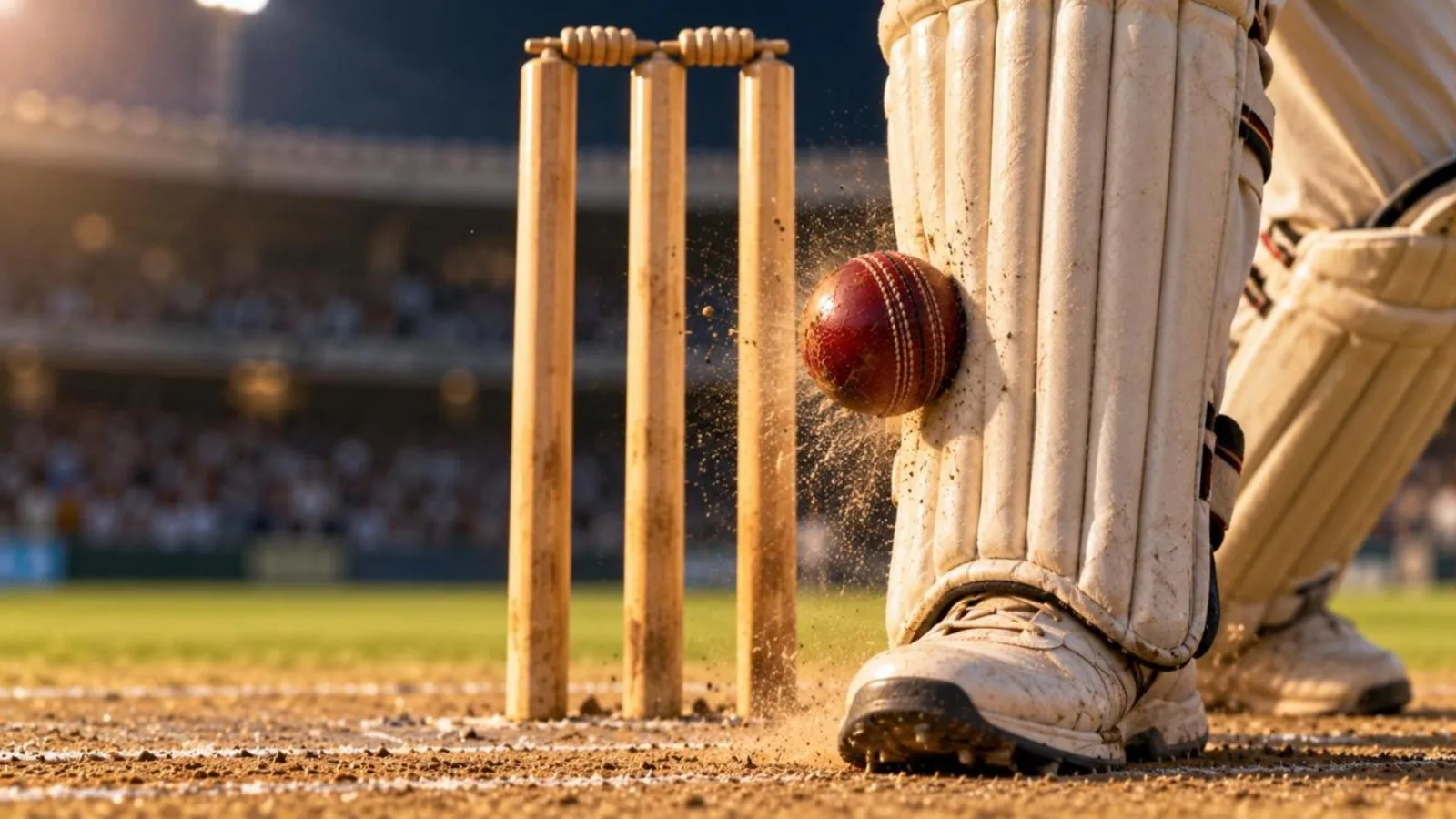
"How was that out?" is a question every new cricket fan asks about an LBW. Leg before wicket exists to stop batters simply blocking the ball with their legs, and the Decision Review System (DRS) helps umpires get it right.
When is a batter out LBW?
All of these must be true:
- The ball is a legal delivery (not a no-ball).
- It did not pitch outside the batter's leg stump.
- It hit the batter's body (usually the pad) before the bat.
- Where it hit the batter was in line with the stumps, or outside off stump if the batter was not trying to play a shot.
- It would have gone on to hit the stumps.
If any one of these fails, the batter is not out.
What is DRS?
DRS lets a team challenge an on-field umpire's decision. The captain or batter makes a "T" sign within 15 seconds, and the third umpire checks the replays. Teams have a limited number of unsuccessful reviews per innings; a successful review is not lost.
The technology
- Ball tracking predicts the path of the ball after it hits the pad.
- Ultra-edge (snickometer) uses sound to detect whether the ball touched the bat.
- Hot Spot, where used, shows heat marks from contact.
Umpire's call
Ball tracking is not perfect, so when the prediction shows the ball only just clipping the stumps, or only part of the impact in line, the on-field decision stands. This is umpire's call: if the umpire said out, it stays out; if not out, it stays not out. The reviewing team keeps its review.
Recent rule changes
- If a caught-behind decision is overturned on review, the third umpire then checks LBW; under the newer playing conditions, an umpire's call in this second check goes against the batter.
- When there are reviews for more than one incident on the same ball, they are now checked in the order the incidents happened.
Why it matters
LBW decisions can swing a whole match. Spinners like Anil Kumble and Ravichandran Ashwin took many of their wickets this way.
Back to the basics in Part 2: How Cricket Is Played.
Rules are explained as they stand in October 2026. Governing bodies update their rules regularly, so check the latest official regulations for any competition.
Next in the series: Part 4: The DLS Method.