Snoring is often treated as a joke, but for some people it can be a sign of a serious sleep disorder called obstructive sleep apnoea. In Part 7 of Sleep Science, we explain the difference, the warning signs and what can be done.
Why people snore
Snoring happens when air flows past relaxed tissues in the throat, causing them to vibrate. It is common and can be made worse by:
- Sleeping on your back.
- Nasal congestion from colds or allergies.
- Alcohol or sedating medicines, which relax throat muscles.
- Excess weight around the neck.
- Smoking.
- The natural shape of the mouth, nose or throat.
Occasional or light snoring is usually harmless, though it may disturb a bed partner.
What is obstructive sleep apnoea?
In obstructive sleep apnoea (OSA), the airway repeatedly narrows or closes during sleep. Breathing becomes shallow or stops for short periods, often ten seconds or more. Oxygen levels may drop, and the brain briefly wakes the person to restart breathing, usually without them remembering.
These interruptions can happen many times an hour, fragmenting sleep. OSA is common, and many people who have it have not been diagnosed.
Warning signs
- Loud, frequent snoring.
- Pauses in breathing, choking or gasping during sleep, often noticed by a partner.
- Excessive daytime sleepiness, such as falling asleep while reading, watching TV or driving.
- Morning headaches or a dry mouth.
- Waking frequently to urinate at night.
- Poor concentration, memory problems or irritability.
Who is at higher risk?
Risk factors include excess body weight, a larger neck size, being male, older age, a family history of OSA, smoking, alcohol use, nasal blockage and certain facial or jaw structures. However, OSA can affect people of any age or body type, including children, in whom enlarged tonsils are a common cause.
Why it matters
Untreated sleep apnoea has been linked to high blood pressure, heart disease, stroke, type 2 diabetes and depression. Daytime sleepiness also increases the risk of road and workplace accidents. That is why it is important to get symptoms checked.
Diagnosis
A doctor may ask about symptoms, use questionnaires and refer you for a sleep study. This can be done overnight in a sleep clinic or, in many cases, with a simpler home testing device that records breathing, oxygen levels and heart rate.
Treatment options
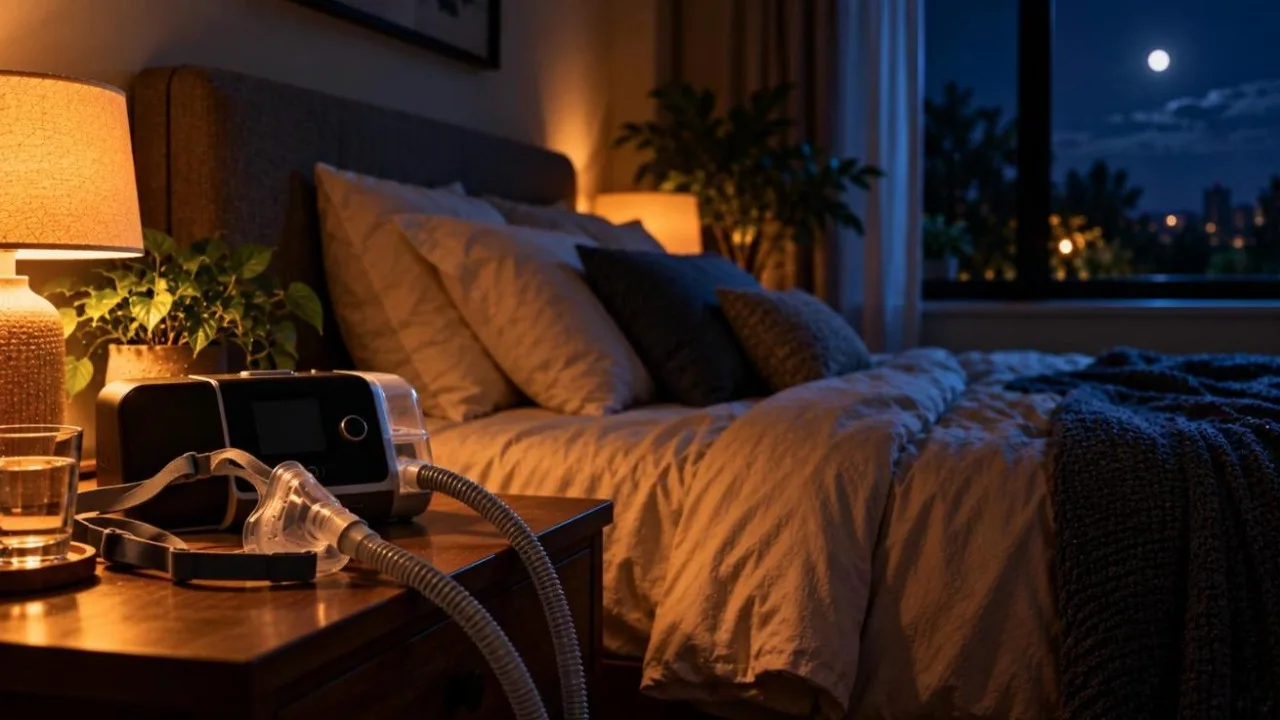
- CPAP (continuous positive airway pressure): a machine that gently blows air through a mask to keep the airway open during sleep. It is a highly effective treatment for moderate to severe OSA.
- Oral appliances: custom-made mouthpieces that move the lower jaw forward, often used for mild to moderate OSA.
- Lifestyle changes: weight loss where appropriate, reducing alcohol, stopping smoking and sleeping on your side.
- Treating nasal problems such as allergies.
- Surgery or other procedures in selected cases.
Tips for simple snoring
- Try sleeping on your side.
- Avoid alcohol close to bedtime.
- Treat nasal congestion.
- Keep a regular sleep schedule.
If snoring is loud, nightly, or combined with gasping, breathing pauses or daytime sleepiness, see a doctor rather than relying on anti-snoring gadgets alone.
In Part 8, the final instalment, we look at naps, shift work and jet lag.
Sleep Science: the full series
- Part 1: How Sleep Works
- Part 2: How Much Sleep You Need
- Part 3: Better Sleep Habits
- Part 4: Caffeine, Alcohol and Food
- Part 5: Screens, Light and Melatonin
- Part 6: Insomnia
- Part 7: Snoring and Sleep Apnoea (you are here)
- Part 8: Naps, Shift Work and Jet Lag
This article is for general information only and is not medical advice. If you have ongoing sleep problems, loud snoring, breathing pauses or daytime sleepiness, please speak to a doctor.