As of about 9:00 AM IST, Wednesday 25 November 2026. Based on the New York governor's office announcement, the bill text and sponsor memo on the New York State Senate website, and reporting by Ars Technica, Car and Driver and TechSpot.
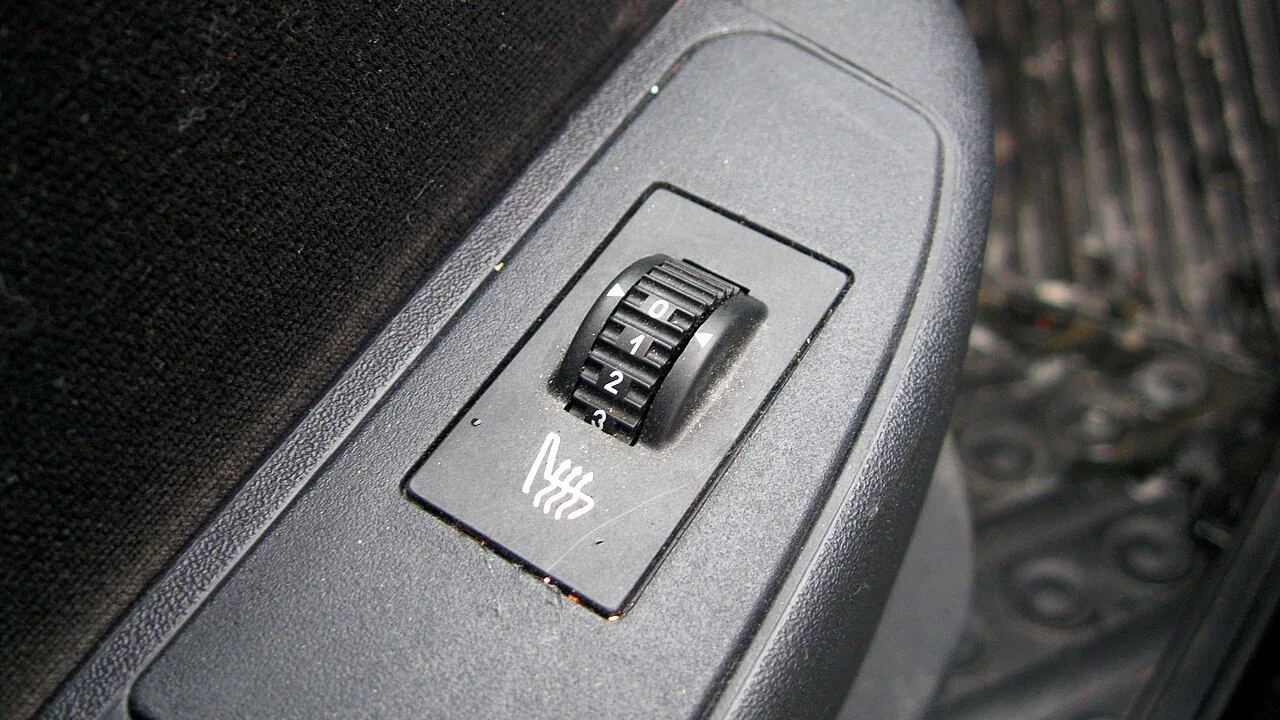
Paying a monthly fee to switch on the heated seats already fitted in your car will soon be illegal in New York. Governor Kathy Hochul on Monday 23 November signed a law that bars carmakers, dealers and their agents from charging subscriptions or other post-purchase fees for features that run on hardware already built into a vehicle and cost nothing to keep running. It takes effect on 27 February 2027.
The law is narrower than its "no more subscriptions" billing suggests, and the carve-outs will decide how much drivers actually save. But it is one of the clearest attempts yet by a major US state to stop "features on demand" from becoming a standard way to sell cars. Here is what it covers, what it does not, and why the rest of the industry is watching.
What the law says
The new section 198-d of New York's General Business Law applies a two-part test. A subscription is banned if the feature uses components and hardware already installed on the vehicle when it was bought or leased, and if it would work after activation without ongoing cost to, or support from, the dealer, the manufacturer or any third-party provider. The bill defines a "motor vehicle feature" broadly as any convenience or safety function, naming heated seats as an example.
The rules protect both buyers and people who lease. Normal monthly loan and lease payments do not count as subscriptions. "People ought to know they're able to use their already-installed remote start or heated seats during the winter without a monthly subscription," said State Senator James Skoufis, the bill's Senate sponsor.
What is exempt
The exemptions are long. The law does not apply to navigation system updates, infotainment features, satellite radio, in-vehicle Wi-Fi, telematics, roadside assistance, software-dependent driver assistance or driver automation features, or any connected service that relies on cellular or other data networks. Those services, lawmakers accept, have real running costs such as network access, content licences and back-end servers.
There is one notable software protection. Carmakers can still push software updates to cars, but they cannot charge for an update that fixes a safety-related defect they are already required to remedy free of charge under federal recall rules.
The heated-seat problem that started it
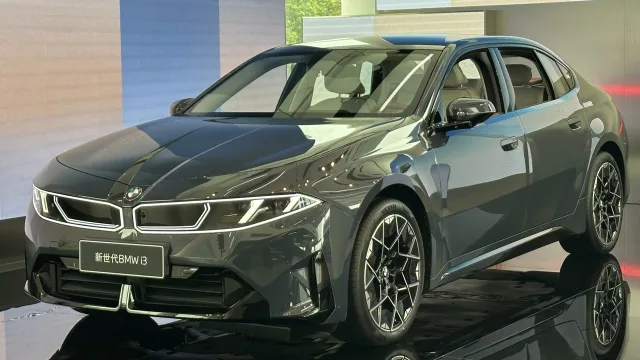
The idea of paying again for hardware you already own became a flashpoint in 2022, when BMW offered heated seats as a monthly subscription in some markets. As Ars Technica notes, BMW never tried this in North America, and in 2023 the company said subscriptions would be limited to software-based features. Mercedes-Benz drew similar criticism that year for selling a performance boost for some of its electric models in the US as a yearly subscription.
The sponsors' memo lists other examples: Ford's BlueCruise hands-free highway driving system, which buyers could activate later for $800 a year or $75 a month, and similar moves by Toyota and General Motors, which it says told investors it aims to make significant profit from subscription fees. The memo argues that, at a time of rising prices, the law will "prevent post-purchase fees as a future automotive business model".
The hands-free driving puzzle
The biggest open question is advanced driver assistance. The governor's office named hands-free driving among the features the law is meant to cover, yet the text exempts "software-dependent driver assistance or driver automation features". Car and Driver noted that Tesla's Full Self-Driving, GM's Super Cruise and Ford's BlueCruise all use hardware installed on the car, but their makers could, and probably will, argue that keeping them updated and safe carries ongoing costs. Ars Technica's Jonathan Gitlin called the "ongoing costs" test "a pretty big loophole", pointing out that maps and frequent software updates arguably count.
That matters because driver assistance is where the money is. Tesla, for example, is inviting select buyers to order its Cybercab with a mandatory $299 monthly subscription, as we reported in our look at Cybercab personal sales and Tesla's autonomy subscription. In practice, New York's law is likely to stop the simplest pay-to-unlock schemes, such as heated seats or remote start through a key fob, while leaving most high-value software subscriptions in place.
Enforcement and penalties
Companies that break the rules face a civil penalty of up to $250 "per point of sale for each violation". The law does not define a point of sale or explain how violations are counted, as TechSpot pointed out, so the real deterrent will depend on how regulators and courts read it. The bill gives the state attorney general power to write rules to enforce it, and Attorney General Letitia James backed the measure, saying no one "should have to pay recurring fees just to use features in a car they already bought".
Third time lucky
New York has tried this before. According to the bill's legislative history, an earlier version passed the Assembly in 2024, and a 2025 version was vetoed. This year's bill was introduced in March, passed the Senate 57 to 3 on 4 June, was delivered to the governor on 13 November and signed ten days later. Hochul framed it as part of her cost-of-living agenda, calling pay-to-unlock pricing a "deceptive business model" and telling carmakers: "Keep your hands out of New Yorkers' wallets."
What it means for car buyers and carmakers
For buyers in New York, the immediate effect may be modest, since the most notorious example, BMW's heated-seat subscription, was never offered in the US. The bigger impact is on future business plans. Carmakers increasingly build one hardware specification for many trims and unlock features through software, which cuts manufacturing complexity. A state-by-state ban makes that model harder, because a company is unlikely to want different rules for cars sold in New York and New Jersey. If other states copy the law, the simplest response may be to stop charging for built-in hardware nationwide.
For shoppers anywhere, the lesson is to ask what is included for the life of the car and what becomes a paid add-on after a trial period, and to factor recurring fees into the total cost, as we explain in our guide to choosing between a new and used car. A used car's trial subscriptions may also have already expired.
What to watch next
Watch for rules from the attorney general's office before the 27 February start date, for carmakers clarifying which of their paid features they consider "software-dependent" or connected, and for copycat bills in other states. It is not yet clear whether carmakers or their trade groups will challenge the law or simply adjust their offers.
Sources
- Governor of New York: Governor Hochul Signs Bill Restricting Exploitative Vehicle Subscription Fees
- New York State Senate: Bill S9348A text, sponsor memo and votes
- Ars Technica: No more heated seat subscriptions for cars in New York from 2027
- Car and Driver: New York Bans Post-Purchase Subscriptions on Vehicles
- TechSpot: New York is ending car features locked behind subscriptions, with a few big exceptions
Featured image: A car seat heater control switch (9 June 2016, file photo), Santeri Viinamaki, CC BY-SA 4.0, via Wikimedia Commons (cropped).