This is Part 3 of Money Basics for Indians, our 12-part series on the everyday money systems every Indian should understand. New here? Start with Part 1: Bank Accounts and Deposit Insurance, or read the previous part, Part 2: KYC, PAN, Aadhaar and Nominees.
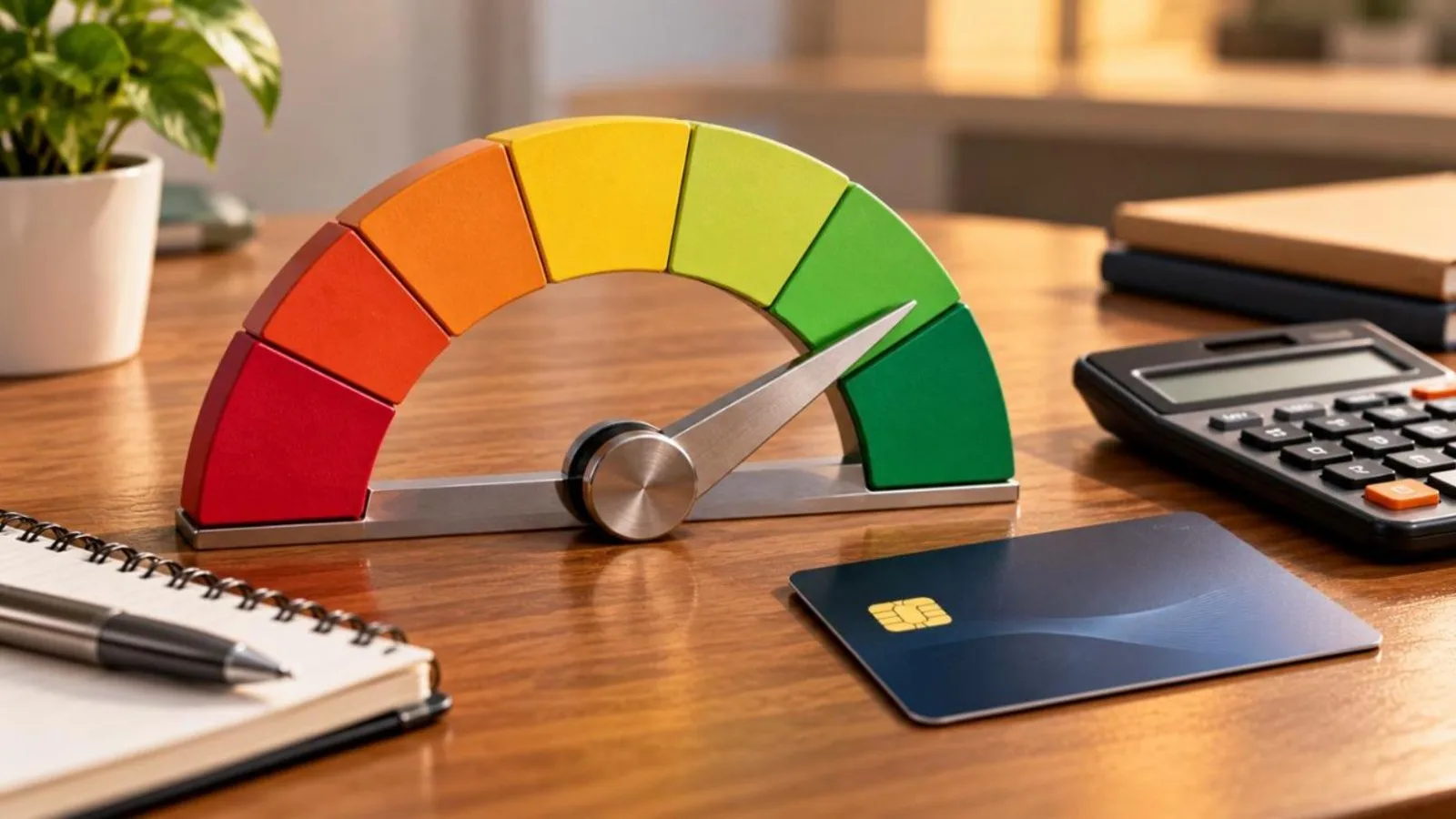
Before a bank lends you money, it checks your credit report and credit score. A good score can mean a faster approval and a lower interest rate, while a poor one can mean rejection or expensive loans.
Who keeps your credit records
India has four RBI-licensed credit information companies: TransUnion CIBIL, Experian, Equifax and CRIF High Mark. Banks and lenders report your loan and credit card repayments to them.
What the score means
Scores usually range from 300 to 900. The higher, the better. Many lenders treat scores of 750 and above as good, but each lender has its own cut-off.
What affects your score
- Repayment history: The most important factor. Even one EMI or card payment that is 30 days late can hurt.
- Credit utilisation: How much of your card limit you use. Keeping usage well below the limit, often under 30 percent, helps.
- Length of credit history: Older accounts in good standing help, so think twice before closing your oldest card.
- Credit mix: A balance of secured loans (home, car) and unsecured credit (cards, personal loans).
- Hard enquiries: Applying for many loans or cards in a short time is a warning sign to lenders.
RBI rules that help you
- Since January 2025, lenders report data at least every 15 days, so your score updates faster.
- You are entitled to one free full credit report a year from each credit bureau.
- Lenders must alert you by SMS or email when they check your report.
- Complaints must be resolved within 30 days, or the bureau or lender pays you compensation of ₹100 a day.
Fixing errors
- Download your report and check every account, especially loans you never took. Unknown loans can signal identity theft.
- Raise a dispute online with the credit bureau.
- Follow up with the lender that reported the wrong data.
- If unresolved, escalate to the RBI Ombudsman. See Part 10: Your Rights as a Bank Customer.
Building a score from scratch
No credit history? A secured credit card against an FD, used lightly and paid in full each month, is a common starting point. Learn to read your card statement and avoid interest traps.
This article is for general information and education only. It is not financial, tax or legal advice. Rules, rates and limits change often, so check official sources such as the RBI, the Income Tax Department or India Post, or speak to a qualified adviser, before acting.
Next in the series: Part 4: Repo Rate, EMIs and FD Rates.