This is Part 11 of Money Basics for Indians, our 12-part series on the everyday money systems every Indian should understand. New here? Start with Part 1: Bank Accounts and Deposit Insurance, or read the previous part, Part 10: Your Rights as a Bank Customer.
Scammers in India have moved far beyond lottery messages. Today's frauds use fake police uniforms on video calls, polished trading apps and WhatsApp groups full of "profits". Anyone can be targeted, and knowing the patterns is the best protection.
"Digital arrest"
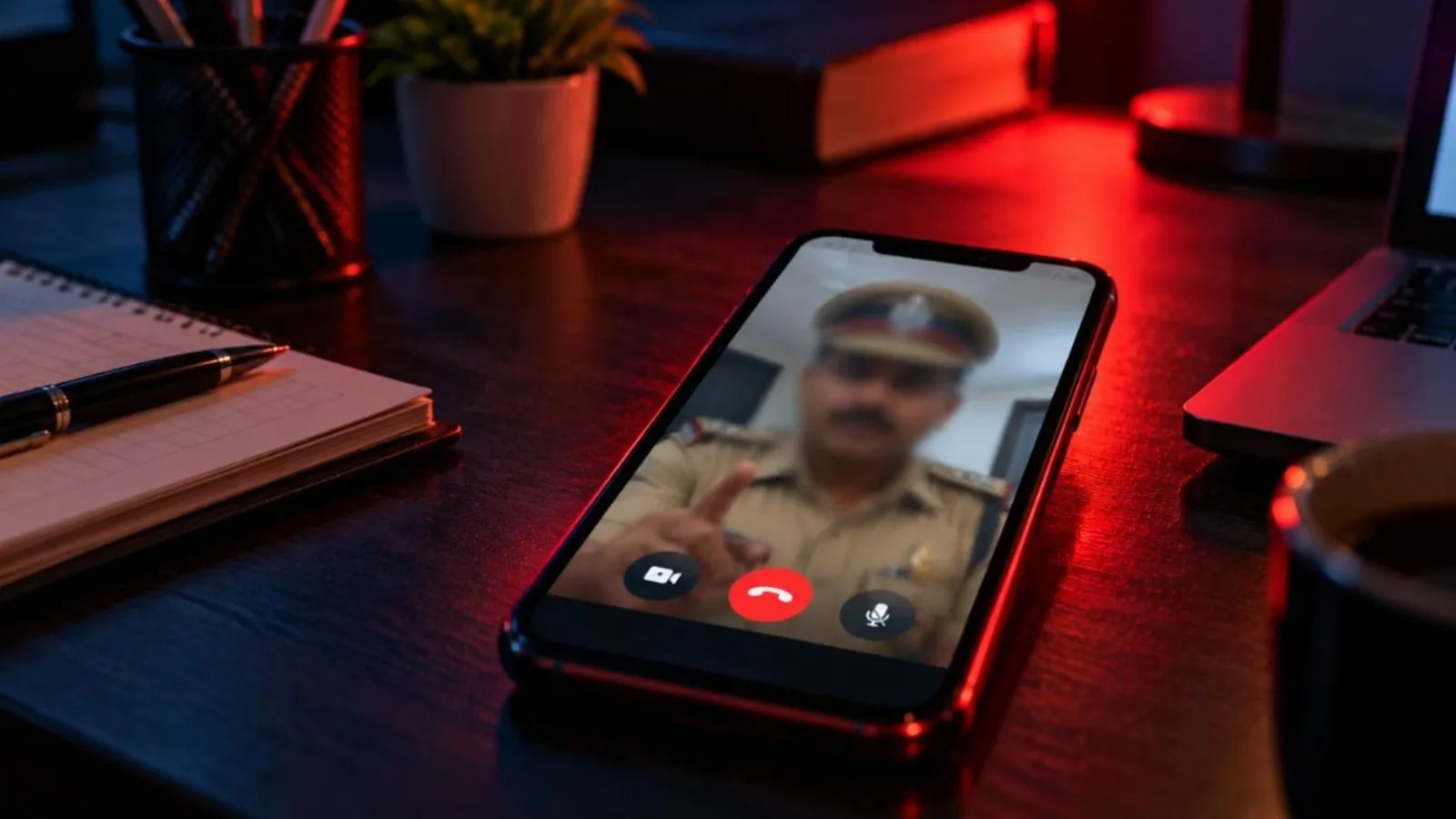
A caller claims to be from the police, CBI, customs, income tax or a court, and says your Aadhaar, PAN or a parcel is linked to a crime. They move you to a video call, show fake documents and a staged office, insist you stay on camera and tell no one, and demand money to "verify" your funds or avoid arrest.
There is no such thing as a digital arrest in Indian law. No real agency arrests people over a video call or asks for money to close a case.
Other common scams
- Fake trading and IPO apps: WhatsApp or Telegram groups promise huge returns, and an app shows fake profits until you try to withdraw. Check that any broker or adviser is registered with SEBI.
- Task or part-time job scams: You are paid small amounts to like videos or write reviews, then asked to "invest" to unlock bigger earnings.
- KYC and bill messages: "Your bank account will be blocked" or "your electricity will be cut tonight", with a link or app to install.
- Illegal loan apps: Easy loans followed by harassment and threats. Borrow only from RBI-regulated lenders.
- Impersonation: A message from a "friend" or "relative" needing urgent money, sometimes with a cloned voice.
Red flags
- Fear or urgency: arrest, account blocks, disconnection, "act now".
- Requests for OTPs, PINs, screen-sharing or remote access apps.
- Guaranteed or very high returns.
- Being told to keep it secret from family.
- Payment to a personal account or UPI ID.
What to do in the first hour
- Hang up and do not send any more money.
- Call the national cybercrime helpline 1930 immediately. Fast reporting gives the best chance of freezing the money.
- File a complaint on cybercrime.gov.in.
- Inform your bank and block cards or UPI if needed. Your rights are in Part 10: Your Rights as a Bank Customer.
- Report suspicious calls and messages through Chakshu on the Sanchar Saathi portal.
Talk about these scams with elderly parents, who are frequent targets. For payment safety, read protecting yourself from UPI frauds.
This article is for general information and education only. It is not financial, tax or legal advice. Rules, rates and limits change often, so check official sources such as the RBI, the Income Tax Department or India Post, or speak to a qualified adviser, before acting.
Next in the series: Part 12: Finding Unclaimed Money.