When temperatures climb past 40 degrees, staying hydrated stops being a vague health tip and becomes a daily necessity. Long commutes, crowded markets and hours in warm offices or kitchens all draw water out of the body faster than we realise. The good news is that keeping your fluids up is simple once you build a few habits into your day.
Why hydration matters so much in the heat
Your body cools itself mainly by sweating. Every drop of sweat carries away water along with salts such as sodium and potassium. If you do not replace them, you may notice headaches, tiredness, poor concentration, dizziness or muscle cramps. In severe heat, dehydration can contribute to heat exhaustion, which needs prompt attention.
Children, older adults, pregnant women and people who work outdoors are especially vulnerable, so it helps to keep an eye on family members too.
How much should you drink?
There is no single number that suits everyone. Your needs depend on your body size, activity level and how hot and humid it is. A practical guide is to drink regularly through the day rather than waiting until you feel thirsty.
- Check your urine colour. Pale yellow usually means you are well hydrated; dark yellow is a sign to drink more.
- Drink more when you sweat more. Add an extra glass or two after a workout, a long walk or time spent in a hot kitchen.
- Do not rely on thirst alone. Older adults in particular may not feel thirsty even when they need fluids.
Build hydration into your routine
Habits work better than willpower. Try linking water to things you already do.
- Start the morning with a glass of water before your first cup of tea or coffee.
- Keep a bottle within reach at your desk, in your bag and in the car.
- Drink a glass with every meal and one in between meals.
- Set gentle reminders on your phone if you tend to forget during busy work hours.
- Refill before you leave any place with clean drinking water.
Smart summer drinks
Plain water is the best everyday choice, but traditional Indian drinks can add variety and some useful salts.
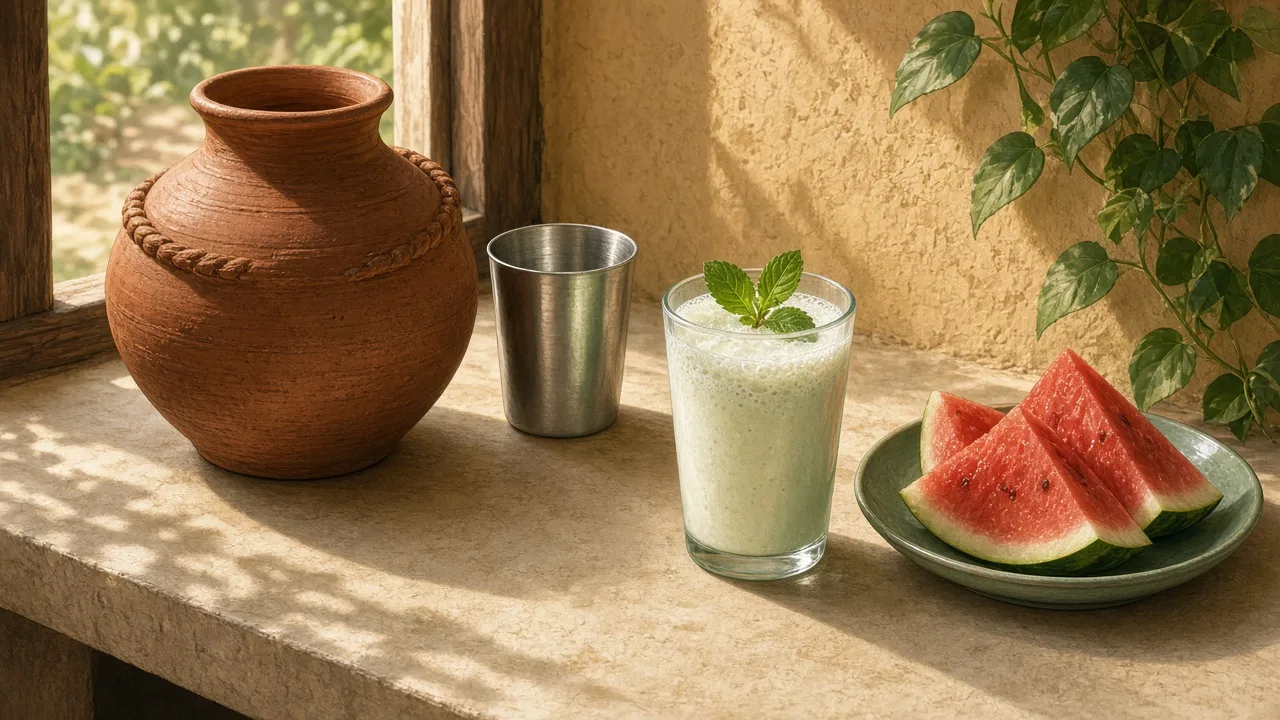
- Chaas (buttermilk): Thin, lightly salted and spiced with roasted jeera, it is cooling and easy on the stomach.
- Nimbu pani: Lemon, water and a pinch of salt and sugar make a refreshing drink that helps replace salts lost in sweat.
- Coconut water: Naturally contains potassium and is a handy option when you are out and about.
- Aam panna and sattu sharbat: Popular regional coolers; go easy on added sugar.
Limit sugary sodas and packaged juices, which add a lot of sugar without much benefit. Be mindful of very strong tea and coffee in large amounts, and avoid alcohol in extreme heat.
Eat your water too
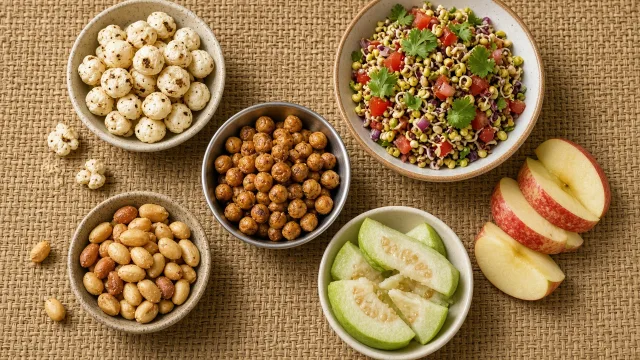
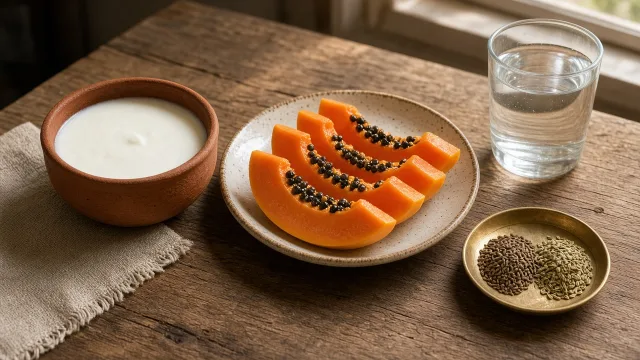
Many seasonal fruits and vegetables have a high water content and make hydration easier.
- Watermelon, muskmelon and oranges
- Cucumber, tomatoes and lauki (bottle gourd)
- Curd, raita and light dals
- Salads with a squeeze of lemon
Practical tips for the hottest days
- Plan outdoor tasks for early morning or evening when it is cooler.
- Wear loose, light-coloured cotton clothes and carry an umbrella, cap or dupatta for shade.
- Store water safely. A clean earthen pot keeps water pleasantly cool without making it ice cold.
- Pack a bottle for children heading to school or tuition and remind them to sip during breaks.
- Look out for elderly relatives and offer drinks regularly rather than waiting for them to ask.
Know the warning signs
Seek help quickly if someone in the heat becomes confused, stops sweating, has a very high body temperature, faints or has a racing heartbeat. Move them to a cool place, loosen tight clothing and offer sips of water if they are alert, while you arrange medical care.
Small sips, big difference
Staying hydrated is less about forcing down litres at once and more about steady, regular sips throughout the day. Keep water close, enjoy seasonal fruits and traditional coolers, and pay attention to what your body is telling you. Your energy and focus will thank you all summer long.
Note: This article offers general guidance only; if you have kidney, heart or other medical conditions that affect fluid intake, please consult a doctor.