This is Part 19 of Flavours of India, our series on India's regional cuisines. Start from Part 1: Chettinad or read the previous part, Part 18: Himachal Pradesh.
Tucked into the Eastern Himalayas, Sikkim's food reflects its communities: Nepali, Lepcha and Bhutia, with strong Tibetan influence. It is warming food for a cold climate: soups, dumplings, fermented vegetables and yak cheese. Sikkim is also India's first fully organic state.
What makes Sikkimese cuisine special
- Dumplings and noodle soups: momos, thukpa and thenthuk.
- Fermented foods: gundruk (fermented leafy greens), sinki (fermented radish) and kinema (fermented soybean).
- Chhurpi: a soft cheese, and a very hard dried version chewed like a sweet.
- Dalle khursani: small, round and fiery local chillies.
Momos: from Tibet to every Indian street
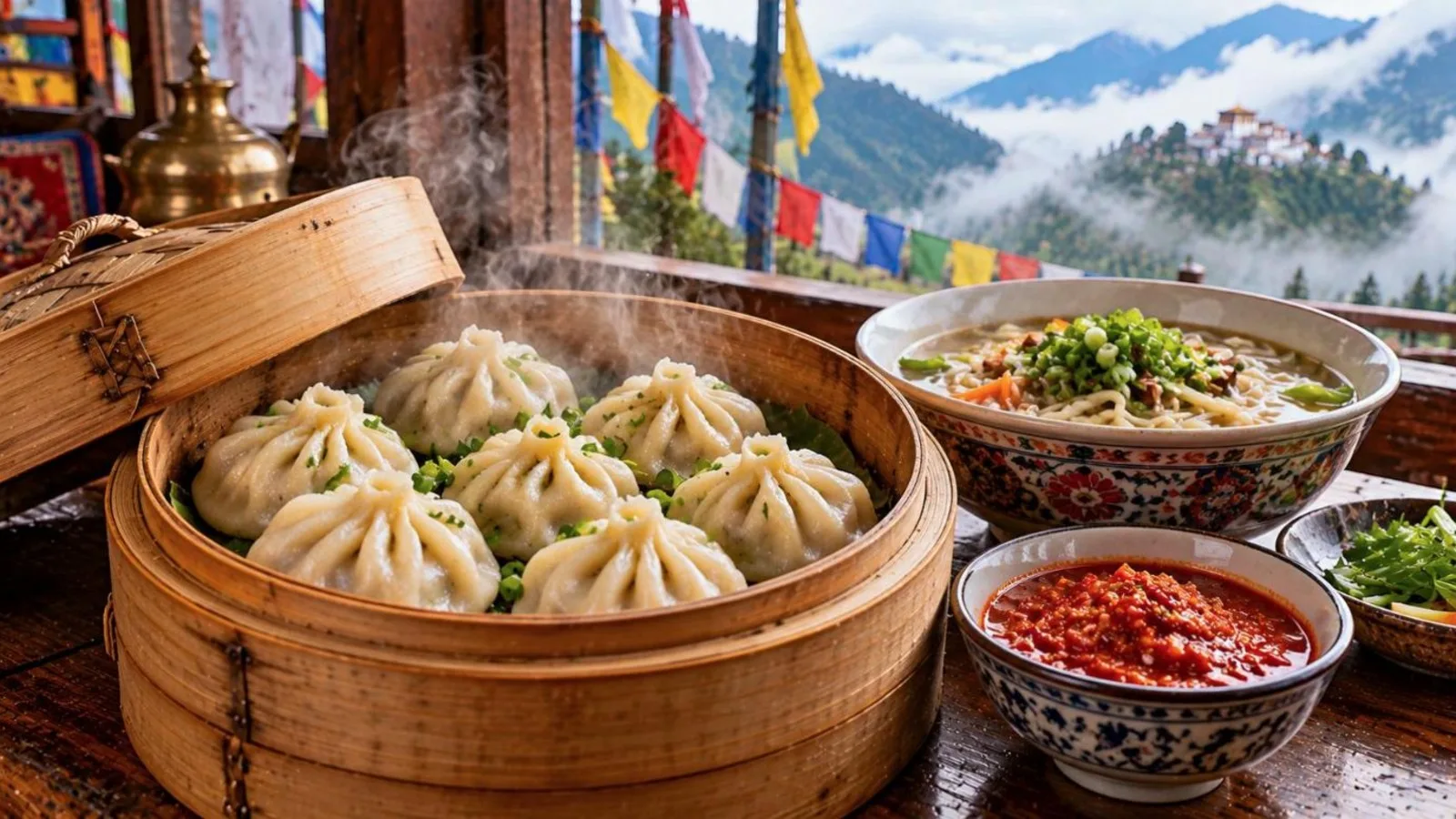
Momos came to the Himalayas with Tibetan traders and settlers. In Sikkim and Darjeeling they are an everyday food, and today they are one of India's most popular street snacks. Sikkimese momos are usually steamed and filled with pork, chicken, beef, cheese or vegetables.
Momos recipe
Makes: about 24 · Prep: 45 minutes · Cook: 12 minutes per batch
For the dough
- 2 cups maida (all-purpose flour)
- 1/2 tsp salt and 1 tsp oil
- About 3/4 cup water
For the filling (chicken or pork)
- 300 g minced chicken or pork (with a little fat for juiciness)
- 1 medium onion and 3 spring onions, finely chopped
- 1 tbsp ginger-garlic, finely chopped
- 2 tbsp chopped coriander
- 1 tsp soy sauce (optional), 1/2 tsp black pepper and salt
- 1 tbsp butter or oil and 2 tbsp cold water
Vegetarian filling: 2 cups finely chopped cabbage, carrot, onion and spring onion with 1/2 cup crumbled paneer or chhurpi, squeezed of excess water and seasoned the same way.
For the tomato-chilli chutney
- 3 ripe tomatoes
- 4-6 dried red chillies, soaked (or 2 dalle chillies)
- 4 garlic cloves, salt and 1 tsp oil
Method
- Dough: mix flour, salt and oil, then knead with water into a smooth, firm dough. Cover and rest for 30 minutes.
- Filling: mix all filling ingredients well. The butter and cold water keep the filling juicy.
- Roll: divide the dough into small balls and roll each into a thin circle about 3 inches wide, keeping the edges thinner than the centre.
- Fill and fold: place a spoonful of filling in the centre and pleat the edges together, or fold into a half-moon.
- Steam: oil the steamer and place the momos with a little space between them. Steam over boiling water for 10-12 minutes for meat, or 8-10 minutes for vegetables.
- Chutney: boil the tomatoes for 5 minutes, peel, and blend with the soaked chillies, garlic and salt. Heat oil, add the purée and cook for 2-3 minutes.
Tips
- Thin wrappers are the secret to great momos; don't make them thick.
- Don't over-steam, or the wrappers turn sticky.
- For kothey (pan-fried momos), fry the steamed momos in a little oil until the bases are crisp.
How to serve
Serve hot with the tomato chutney and a bowl of clear soup made from the meat stock.
Other Sikkimese dishes to try
- Thukpa: a warming noodle soup with vegetables or meat.
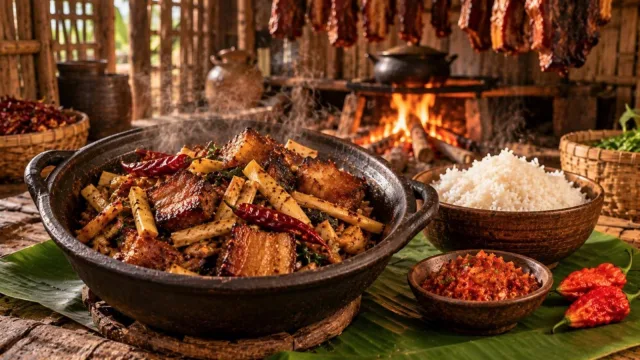
- Phagshapa: pork strips cooked with radish and dried chillies.
- Gundruk soup
- Sha phaley: fried bread stuffed with spiced meat.
- Sel roti: a sweet, ring-shaped rice bread made during festivals.
Next in Flavours of India: the final part, Madhya Pradesh's bhutte ka kees.