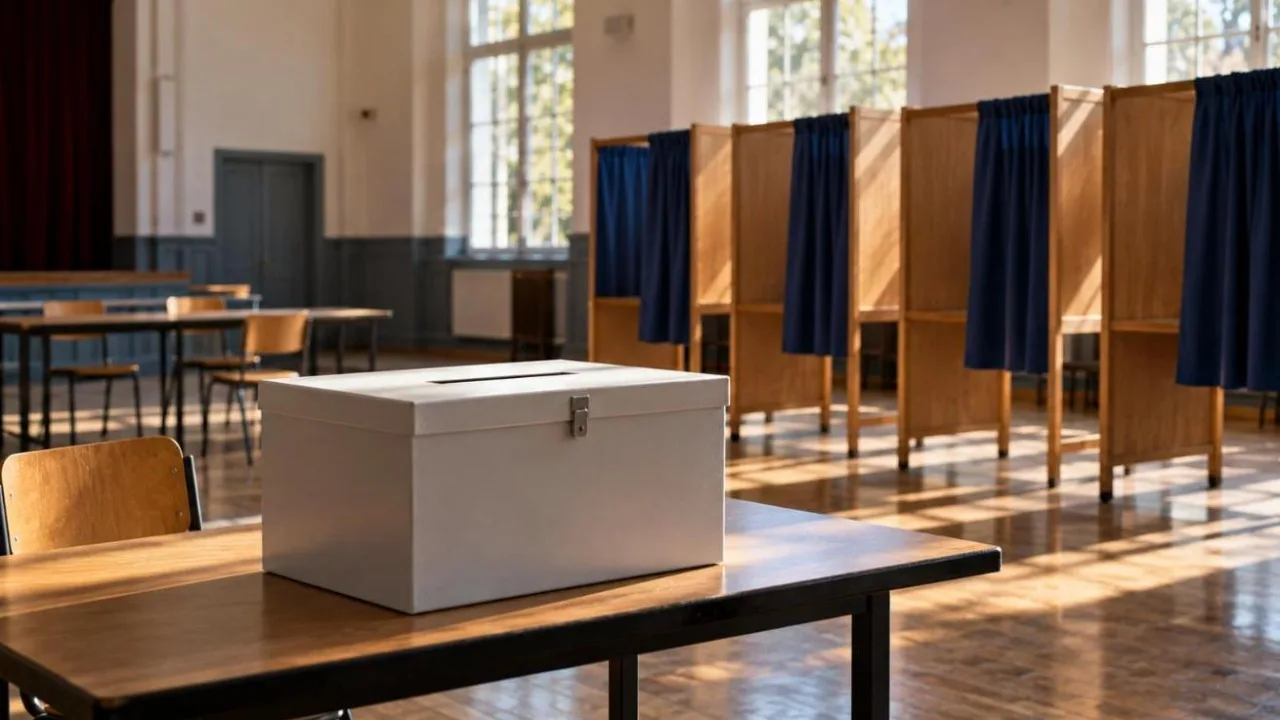
Brazil's presidential runoff on Sunday, 25 October 2026, is shaping up to be one of the closest in the country's history. A Quaest poll published on 21 October showed Senator Flávio Bolsonaro on 45% and President Luiz Inácio Lula da Silva on 44%, a narrowing from 46% to 44% a week earlier, according to Reuters.
The polls
| Poll | Flávio Bolsonaro | Lula |
|---|---|---|
| Quaest (17–20 October, 2,154 people, ±2 points) | 45% | 44% |
| Quaest (previous week) | 46% | 44% |
| Datafolha (mid-October) | 47% | 45% |
| CNT/MDA (mid-October) | 46.8% | 45.9% |
All of these leads are within or close to the margin of error. The latest Quaest survey was the first since Sunday's televised debate. Experts quoted by Al Jazeera describe the race as "a toss-up."
How the first round went
In the first round on 4 October, Flávio Bolsonaro won 56,104,503 votes to Lula's 53,879,538, according to Al Jazeera. A month earlier, Lula had been widely expected to win.
The candidates
- Lula, 80, is seeking a fourth, non-consecutive term. His campaign was boosted when Congress approved a constitutional amendment giving workers two paid days off a week.
- Flávio Bolsonaro, 42, is a senator and a son of former president Jair Bolsonaro. He is campaigning on a crackdown on crime and drug trafficking and on tax changes. His father is serving a 27-year sentence for plotting a coup and is barred from office.
Social media and AI in the spotlight
Technology has become a campaign issue. Meta faces accusations before Brazil's electoral court (TSE) of suppressing pro-Lula content, which it denies. According to Al Jazeera, Meta received at least 288 million reais (about $57 million) in direct campaign ad spending in 2026, roughly double the 2022 level. Brazil bans AI-generated depictions of candidates, and a Meta spokesperson said the strict rules "threaten free expression."
What happens next
Brazil votes electronically, so results usually come quickly on election night. The winner will take office at the start of 2027. With the polls this tight, turnout and undecided voters are likely to decide the outcome.