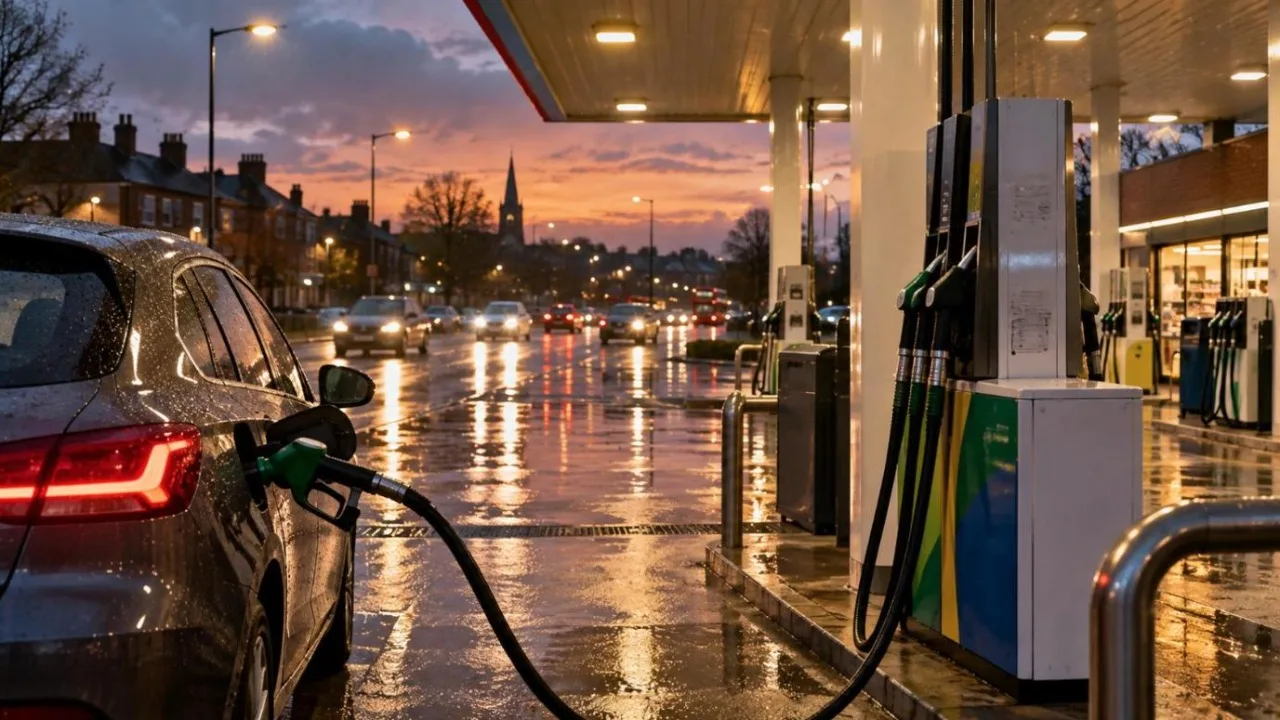
UK inflation rose more than expected in September, driven by a surge in fuel prices linked to the war involving Iran. Consumer prices were 3.5% higher than a year earlier, up from 3.1% in August, the Office for National Statistics (ONS) said on Wednesday, 21 October 2026.
The key figures
| Measure (September 2026) | Rate | August |
|---|---|---|
| CPI inflation | 3.5% | 3.1% |
| CPIH (includes housing costs) | 3.6% | 3.3% |
| Core CPI (excludes energy, food, alcohol, tobacco) | 2.8% | 2.6% |
| Services inflation | 3.7% | 3.4% |
| Goods inflation | 3.2% | 2.7% |
A Reuters poll had forecast 3.4%. Goods inflation was the highest since September 2023, according to the ONS.
Fuel is the main driver
Motor fuel prices were 29.8% higher than a year earlier, and the ONS put the average price of petrol at 169.5p a litre, the highest since August 2022. "Increased fuel prices were again the main driver," said ONS chief economist Grant Fitzner, quoted by MoneyWeek. The RAC put petrol at 174p a litre, 41p higher than when the Iran war began on 28 February, with diesel at about 199p.
Hotels and restaurants pulled the rate down slightly, and food inflation is low at 1.3%.
A rate rise looks likely
The Bank of England's base rate is 3.75%. Markets put the chance of a quarter-point rise to 4% at the Bank's 5 November meeting at more than 90%, according to LSEG data cited by Reuters. It would be the first UK rate rise in more than three years. David Rees of Schroders said a November hike "now looks like a done deal," and expects inflation to head towards 4%.
For homeowners, that means mortgage rates are likely to stay higher for longer. David Hollingworth of broker L&C Mortgages said the figures are "likely to cement expectations of a base rate rise."
Budget pressure
The figures arrive a week before Chancellor John Healey's Autumn Budget on 28 October. Suren Thiru of the ICAEW described the Chancellor's task as "a perilous high-wire act." To understand what inflation does to your savings, see our explainer on inflation and real returns.