As of about 6:35 PM IST (13:05 GMT), Tuesday 3 November 2026. Figures are attributed to the sources that published them; anything not independently confirmed is flagged.
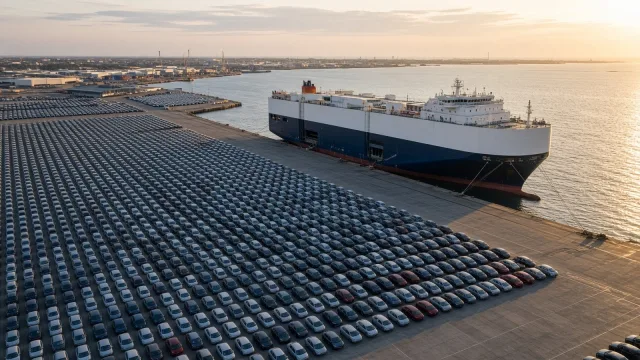
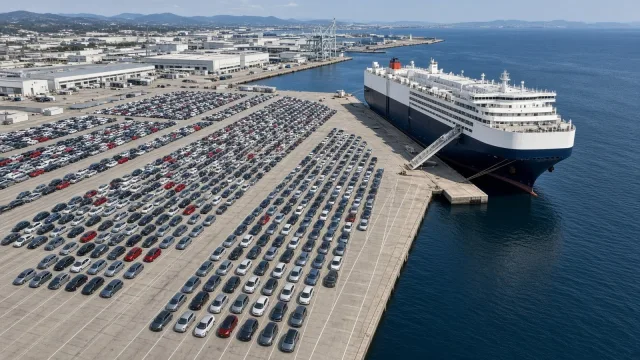
Thailand's cabinet on Tuesday 3 November approved a steep rise in the excise tax on fully imported electric vehicles, as Southeast Asia's main car-making hub tries to make sure EV growth benefits local factories and suppliers. Finance Minister Ekniti Nitithanprapas told a briefing that the government wants to support Thailand as a production and export base and keep firms that employ Thai workers, Reuters reported.
The new rates
- Fully imported battery EVs: excise tax rises to 35% from 10%.
- Imported range-extended EVs (REEVs): rises to 35% from 15%.
- Locally made EVs: keep the existing 2% rate, according to The Nation.
- Start date: 1 January 2027.
The Nation reported that details of import quotas, which would let companies investing in Thai production keep lower rates on some imported models, have not been finalised. MarkLines reported that the new rate covers vehicles with up to 10 seats.
Who is affected
- A senior executive at a Chinese carmaker, who was not named, told Thansettakij, as reported by The Nation, that some imported EV prices could rise by up to 10%. That is an estimate, not an announced price change.
- The Nation said brands without plans to build cars in Thailand, including Tesla, Volvo, Porsche and Audi, are the most exposed.
- Pratarnwong Phornprapha, chief executive of Rever Group, BYD's Thai distributor, backed the change. He said the real divide was now between companies that invest in Thailand and those that "import vehicles from other countries and sell them while paying very low taxes". He added that Rever was discussing producing more BYD models at BYD's Thai plant.
- XPeng vice-president James Wu said the company is studying a Thai factory with partner MGC-ASIA but gave no details or timetable.
Why Thailand is acting
Thai auto industry groups warned in May that the sector faced a crisis without changes to EV policy, as local manufacturers struggled to compete with cheaper imports from China, Reuters reported. The policy has attracted more than $4 billion in investment, including from BYD and Great Wall Motor. Board of Investment approvals for the EV ecosystem reached $4.59 billion across 189 projects as of August 2026. EVs, hybrids and plug-in hybrids made up 55% of new-car registrations in the first seven months of 2026, overtaking combustion-engine cars for the first time.
Localisation is already under way. China's GAC said on Tuesday that its first overseas battery-pack plant, run by its INPOW unit in Chonburi province, started production on 29 October to supply its locally built Aion Y Plus, Reuters reported via MarketScreener.
What to watch
- Final rules on import quotas for companies with local plants.
- Price changes from import-only brands before 1 January.
- New local assembly announcements from Chinese and other carmakers.
Related reading on HorizonDesk
- China EV October deliveries: BYD exports, Xpeng hits 50,000
- Global car sales rankings reshuffle: Hyundai third, BYD in top five
- Europe car sales in September: Tesla rebounds, BYD doubles