As of about 8:30 AM IST, Tuesday 17 November 2026. Based on Tesla's statements as reported by Reuters, DW, electrive and TechCrunch, and a statement from the Brandenburg state government.
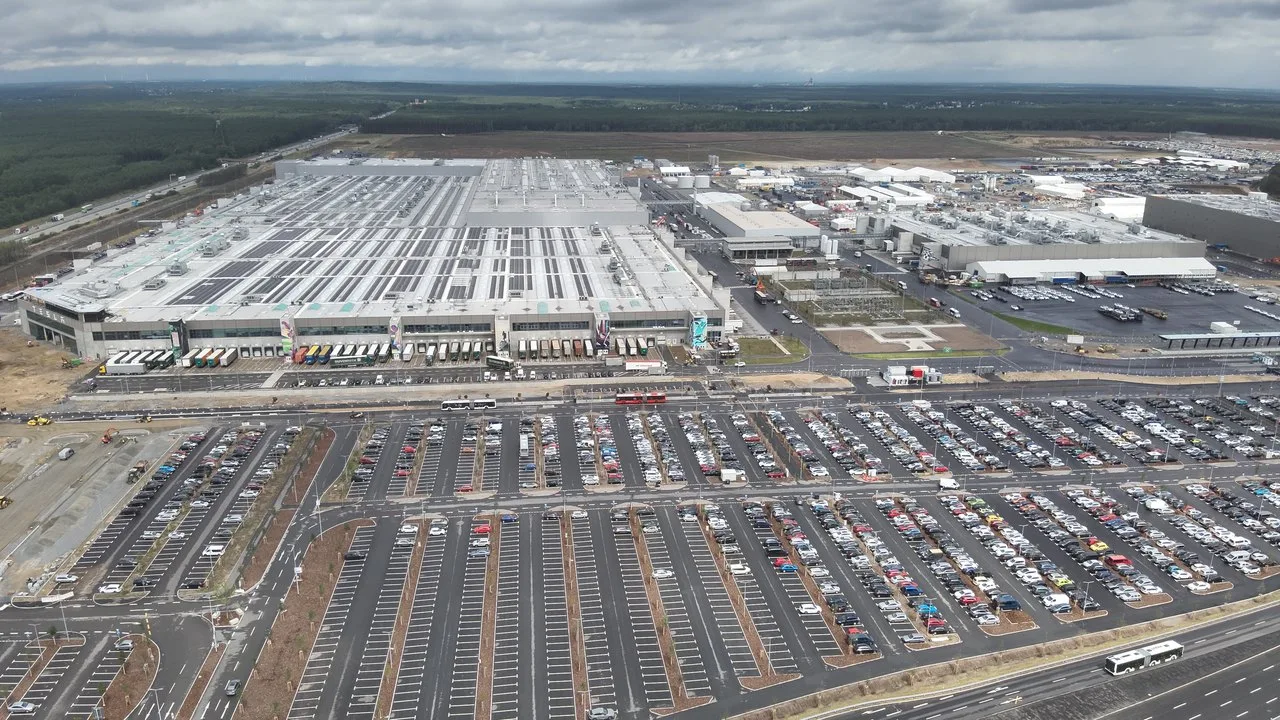
Tesla plans to spend €3 billion (about $3.3 billion) expanding its Gigafactory in Grünheide, just outside Berlin, to build its Cybercab robotaxi, the company said on Monday, 16 November. The new production hall is designed to make up to one million Cybercabs a year, with construction due to start in the first half of 2027 and production in 2029.
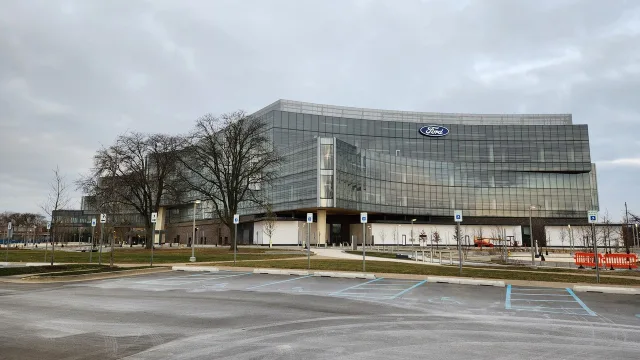
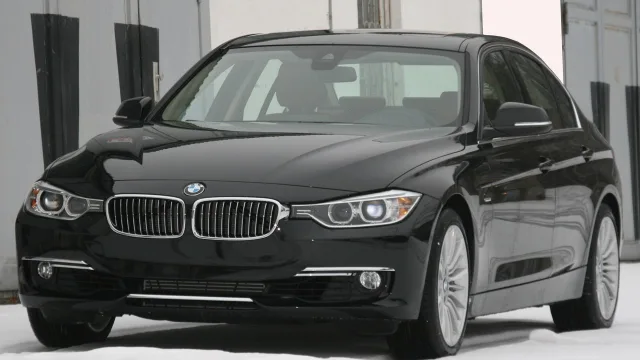
The announcement stands out in a German car industry that is mostly shrinking. Volkswagen, Mercedes-Benz and BMW are all cutting jobs and considering plant closures as Chinese competition grows, Reuters noted. Tesla, meanwhile, is doubling down on a two-seat driverless car that has not yet been sold anywhere at scale.
What Tesla announced
According to Tesla's statement, reported by Reuters and electrive, the plan includes a new production building, several auxiliary buildings and an additional wastewater treatment plant on the existing factory site. "This will lay the foundation for the most technologically advanced Tesla factory in the world," said André Thierig, who runs the Grünheide plant.
Tesla said it would submit a building permit application before the end of this year. Electrive reported that the application builds on a broader filing from 2023, which split the site's expansion into three phases that each need separate approval. The first phase was approved in October 2024. The new hall falls into the second phase.
Reuters said the expansion could make Grünheide Germany's largest car plant by capacity, overtaking Volkswagen's Wolfsburg headquarters. DW noted that the company has not given a timeframe for reaching the full one-million-unit figure.
Why Grünheide, and why now
Grünheide is Tesla's only European factory and was opened in March 2022 after an unusually fast build for a German industrial project. Its fortunes have swung sharply since then. A global sales slump in 2024 and 2025 put expansion plans on hold, electrive reported, and the plant's capacity of about 375,000 cars a year went underused. About 200,000 Model Y SUVs left the factory last year.
Demand has since recovered. Weekly output is now around 7,000 vehicles, close to the current technical limit of 7,500, according to electrive. The workforce, which fell to about 11,000, had grown back to 12,600 by October, DW reported, and Reuters said Tesla has hired more than 2,000 people in recent months. Tesla also wants to start battery cell production at the site from the middle of next year. Rising European EV sales have helped: Reuters separately reported this week that soaring petrol prices have boosted electric car demand across the region.
The Cybercab bet
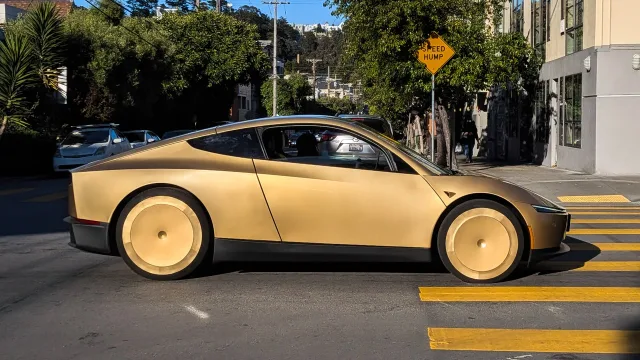
The Cybercab is a two-seat autonomous car with no steering wheel or pedals. Tesla began carrying passengers in Cybercabs in Austin in September, and last week it began inviting selected U.S. customers to buy one for $29,990 plus a $299 monthly autonomy subscription. TechCrunch reported that about 573 Cybercabs are now on the road in Austin, with Dallas to follow, out of roughly 1,307 Tesla robotaxis registered in Texas.
The German plan is part of a wider shift of resources towards the vehicle. Tesla will wind down Cybertruck production at its Austin factory at the end of summer 2027, which Elon Musk said should make way for more Cybercabs, Reuters reported. TechCrunch described the Grünheide investment as Tesla going "all-in" on the model.
Questions remain. Federal regulators in the U.S. are investigating Tesla's self-certification of the Cybercab, which lacks equipment some federal safety standards require, TechCrunch reported. Tesla's camera-only approach to self-driving also differs from rivals such as Waymo, which use lidar and other sensors. Tesla's announcement, as reported, did not say where Cybercabs built in Germany would be sold or operated.
A welcome, with conditions
Brandenburg's state premier, Dietmar Woidke, welcomed the plan. "The investment of three billion euros and the prospect of producing up to one million Cybercabs in Grünheide in the future are a decision of enormous economic significance," he said, in a translation published by electrive. DW quoted him as adding that the decision sends "a strong message" that Germany remains an attractive location for major industrial investment.
Others were more cautious. "Germany should ask how much of that investment will result in sustainable, long-term employment, and how much will be automated, low-labour work moving forward?" automotive analyst Matthias Schmidt told Reuters. Tesla said the first step would need several hundred new workers for construction and production planning, but long-term staffing for the new hall has not been quantified, electrive reported.
Water, unions and local friction
The project also revives old disputes. Water use has been a sensitive issue in Grünheide from the start, and the plant has faced environmental protests. Electrive, citing broadcaster RBB, reported that the new hall and extra staff would use more water overall, but that in-house treatment means no additional sanitary wastewater would be produced, so existing supply contracts with the local water association should be enough.
Labour relations are another flashpoint. The IG Metall union has accused Tesla of union-busting tactics, while Tesla says the union is serving its own interests, Reuters reported. A large new hall with highly automated production is likely to keep that argument alive.
What it means for the car market
For Europe's car industry, Tesla's move is a contrast to the cost-cutting at established brands. It also signals where Tesla sees growth: not in more privately driven cars, but in vehicles built for automated ride services. For buyers, nothing changes soon. The first Grünheide Cybercabs are three years away, and regular Model Y production continues. Anyone weighing an electric car today should still compare models on real running costs, as in our five-year EV vs hybrid cost breakdown.
What to watch next
The next milestones are the permit application due by the end of 2026, the approval decision for the second expansion phase, and whether construction begins on time in 2027. Just as important is whether Cybercab demand in the U.S. grows fast enough to justify a million-unit plant, and whether European regulators will allow a car with no steering wheel to operate on their roads. Until those answers arrive, the Grünheide plan is a statement of intent, not a guarantee.
Sources
- Reuters, via StreetInsider: Tesla plans $3.3 billion Cybercab boost for Germany's troubled auto sector
- electrive: Tesla announces multi-billion-euro expansion of Gigafactory Grünheide
- TechCrunch: Tesla goes all-in on the Cybercab with upcoming €3B Berlin gigafactory expansion
- DW: Tesla planning €3BN investment in German factory to produce Cybercabs
- Reuters, via Euronext: Renault to add 1,650 roles for EV production, cut white-collar jobs
Featured image: Aerial view of Tesla's Gigafactory Berlin-Brandenburg in Grünheide, 28 July 2023 (file photo), Michael Wolf (la-wolf.de), CC BY-SA 3.0, via Wikimedia Commons (cropped).